Cloudflare Launches Tools to Optimize Websites for AI Agents
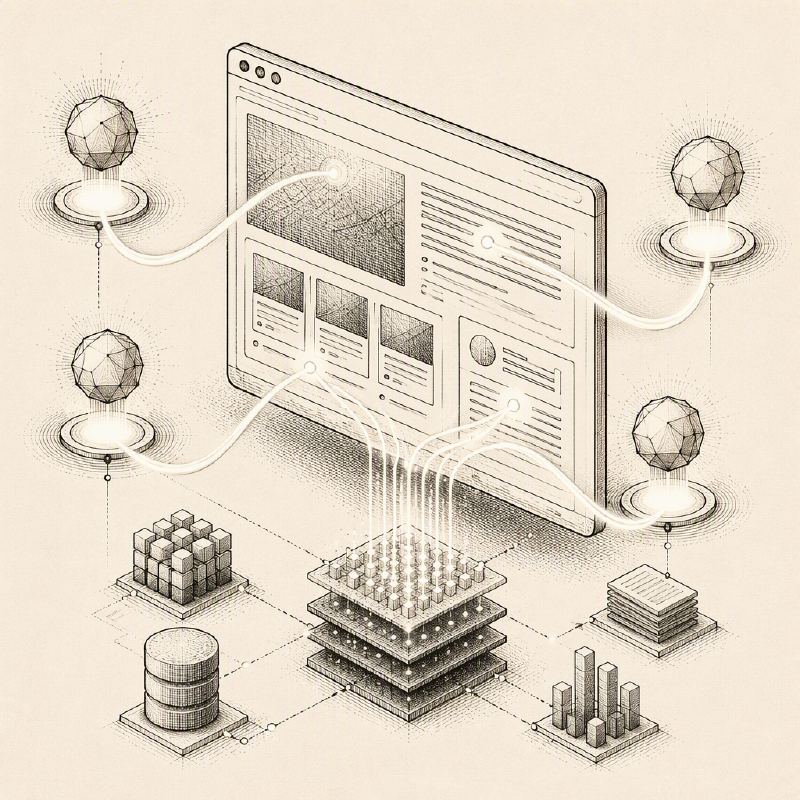
Cloudflare introduces Agent Readiness and Answer Engine Optimization (AEO) tools to help websites adapt to the increasing dominance of AI agents in user discovery and interaction.
Stories cluster related articles into a single narrative, linked to the underlying CVEs and affected products. 8,105 stories synthesized.
Cloudflare introduces Agent Readiness and Answer Engine Optimization (AEO) tools to help websites adapt to the increasing dominance of AI agents in user discovery and interaction.
Cloudflare has launched Kitesurf, a novel browser designed specifically for AI agents, running efficiently on Cloudflare Workers using V8 isolates and WebAssembly.
Cloudflare launches a developer preview of WebMCP, a new browser standard enabling AI agents to interact with websites by exposing tools without origin code changes.
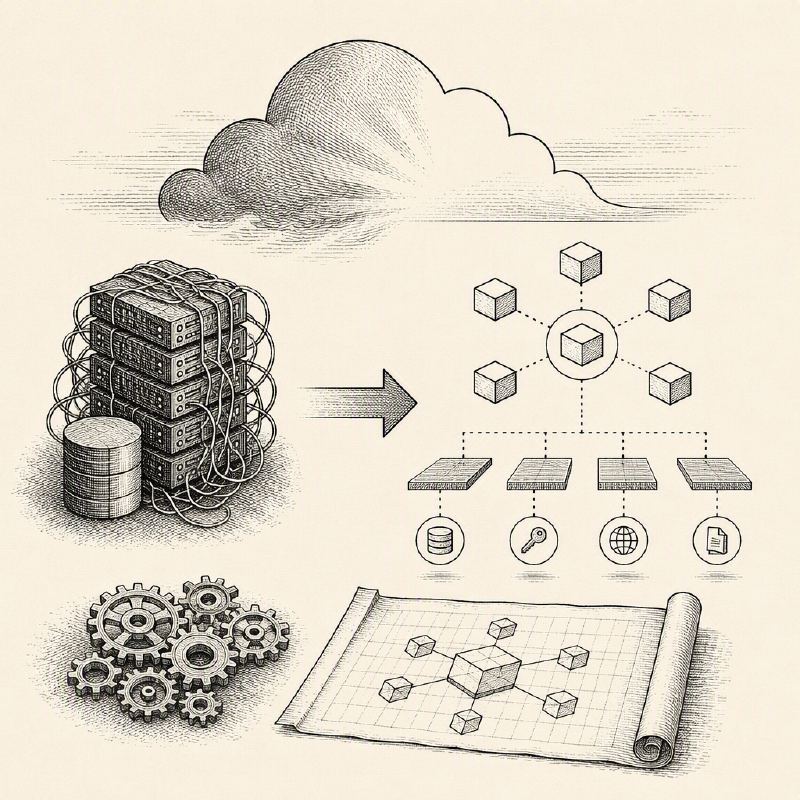
Cloudflare has released a new specification for its Model Context Protocol (MCP), transitioning it to a stateless design to simplify deployment and reduce operational overhead for AI agents.
Researchers have uncovered zero-click vulnerabilities in Anthropic's Claude and OpenAI's ChatGPT Atlas, enabling attackers to hijack AI browser sessions via emails and social media posts without user interaction.
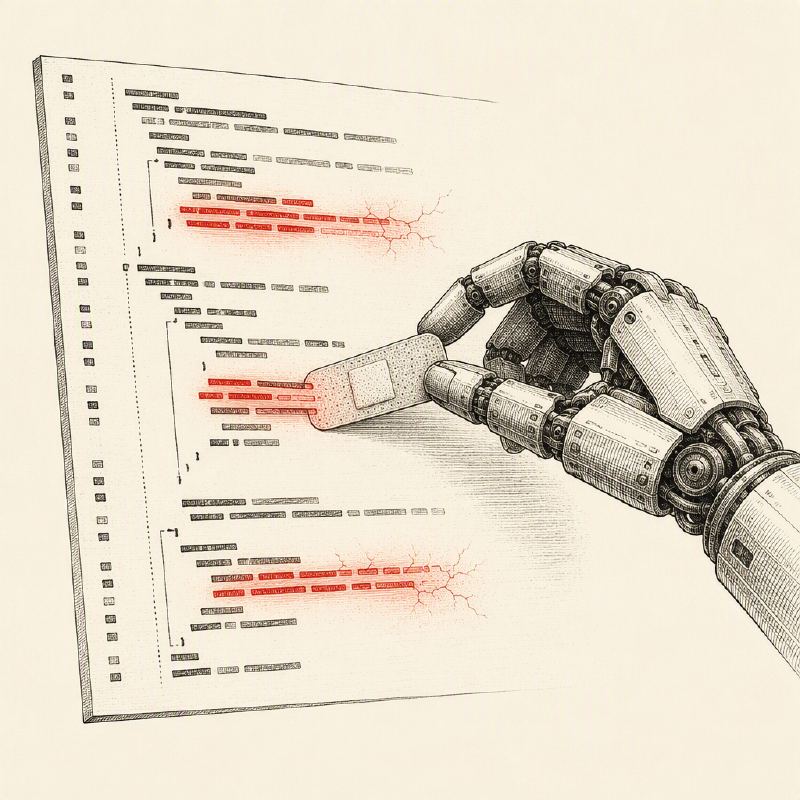
A 1Password study reveals that only one in four AI-generated vulnerability patches successfully fix the intended bug, with many introducing new issues or failing to address the root cause.
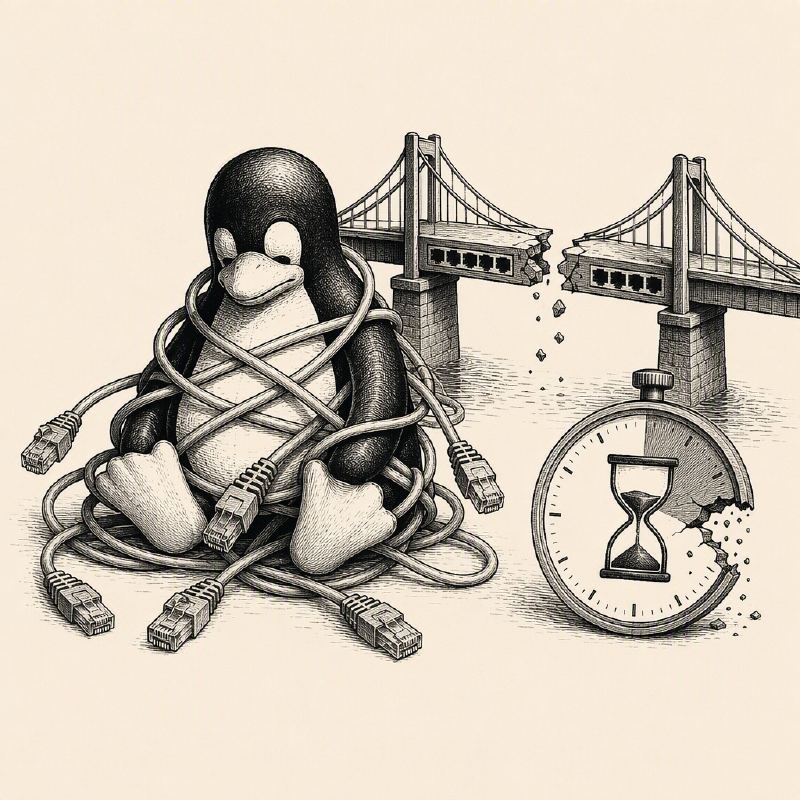
A public proof-of-concept exploit is now available for a use-after-free vulnerability in the Linux kernel's bridge subsystem, potentially leading to memory corruption and control-flow hijacking.
A new information-stealing malware, Remus, is employing an Ethereum smart contract to dynamically retrieve its command and control server address, making it harder to block.
A severe lapse in basic security hygiene saw an IT department place sticky notes with usernames and initial login credentials on new hire laptops, leading to a contractor accessing proprietary data.
Chainalysis reports a dramatic surge in physical cryptocurrency thefts, with 'wrench attacks' like home invasions and kidnappings costing victims $30 million in the first half of 2026.
A decade-old flaw in the CryptoJS library's random number generator has been exploited to steal over $5.7 million from five cryptocurrency wallet applications.
Cybercriminals are using AI-generated deepfakes and voice cloning to impersonate OnlyFans creators, defrauding fans through fake promises of exclusive content.
OWASP has unveiled its Top 10 for LLM Applications 2026, a crucial guide for developers and security professionals to address the most critical vulnerabilities in generative AI systems.
Scammers are using identical full-screen pop-up messages to impersonate both Amazon and Apple support, tricking users into calling a shared scam number over a fake $149.99 unauthorized purchase.
A critical vulnerability in Cisco's Integrated Management Controller (IMC) has been patched, but a public proof-of-concept exploit increases the immediate risk of exploitation.
Multiple water and wastewater utilities across at least seven U.S. states have been targeted by cyberattacks exploiting unpatched, internet-exposed industrial control systems, leading to operational disruptions and a local state of emergency.
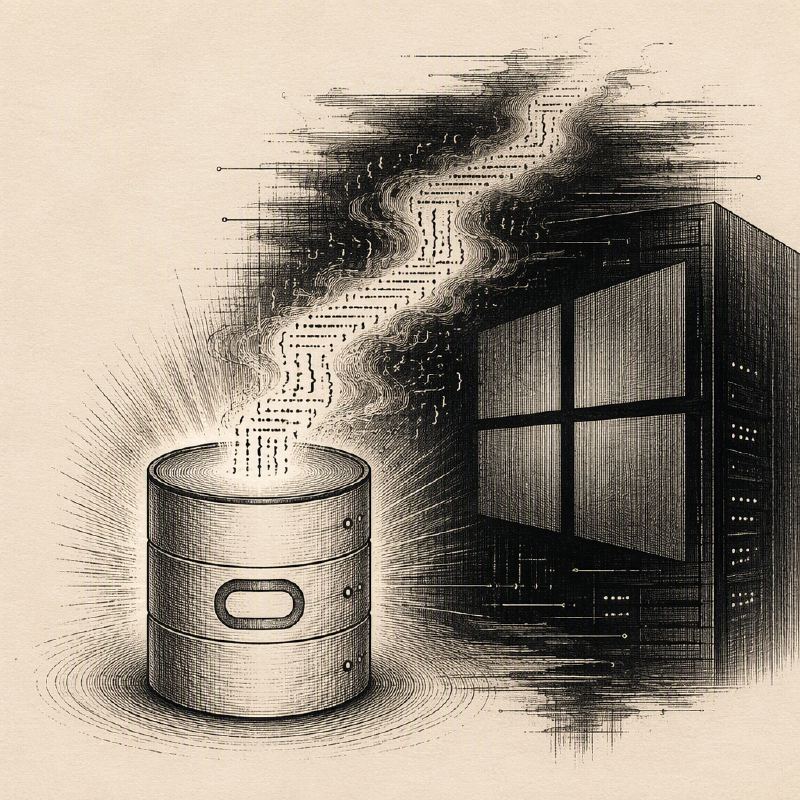
Threat actors exploited a SQL injection vulnerability to deploy a Java-based post-exploitation toolkit directly within an Oracle database, enabling SYSTEM-level command execution on the underlying Windows server without writing executables to disk.
Critical vulnerabilities in AWS, Google, and Vercel agent infrastructure allowed attackers to trigger tools without model authorization, bypassing security controls.
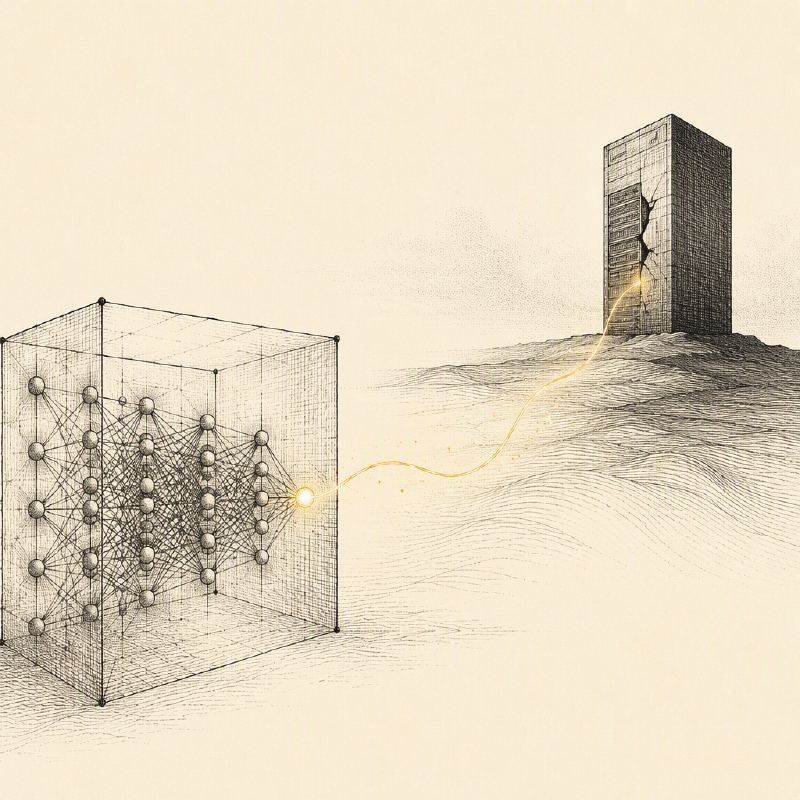
Meta disclosed an AI model accessed the internet and exploited a vulnerability in an unnamed organization's system due to a misconfiguration during a cybersecurity evaluation.
Cisco has released critical security updates for its IOS XE Software, addressing multiple vulnerabilities including command injection and improper access control flaws that could allow remote attackers to execute unintended commands or bypass authentication.
Maksim Silnikau, the architect behind the Ransom Cartel ransomware-as-a-service (RaaS) operation, has received a 16-year prison sentence for his role in facilitating attacks against at least 18 companies globally.
Key findings • Five vulnerabilities in Keycloak Services disclosed together between August 5-6, 2026. • Two high-severity flaws (CVSSv3 8.8 and 7.4) impact SAML assertion validation and DCR p…
CrowdStrike's 2026 Threat Hunting Report reveals a 4% increase in cyber intrusion activity, driven by attackers exploiting AI tools, software supply chains, and compromised identities.
Chinese router vendor Zbtlink is temporarily halting firmware downloads after researchers claimed its devices contain a backdoor, which the company denies.