
Scammers Leverage Deepfakes and AI to Target OnlyFans Creators' Fans
Cybercriminals are using AI-generated deepfakes and voice cloning to impersonate OnlyFans creators, defrauding fans through fake promises of exclusive content.
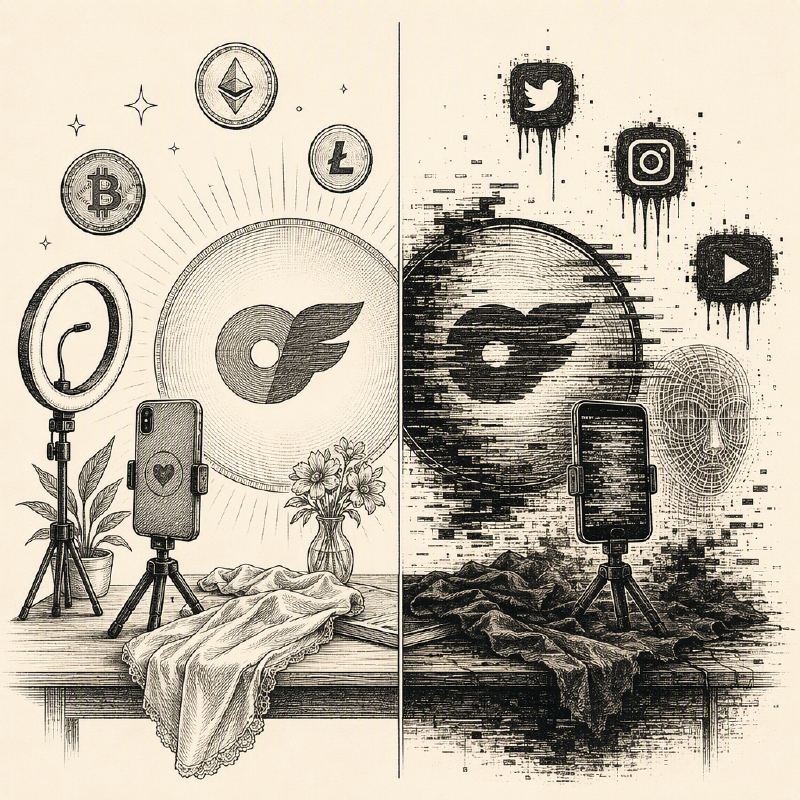
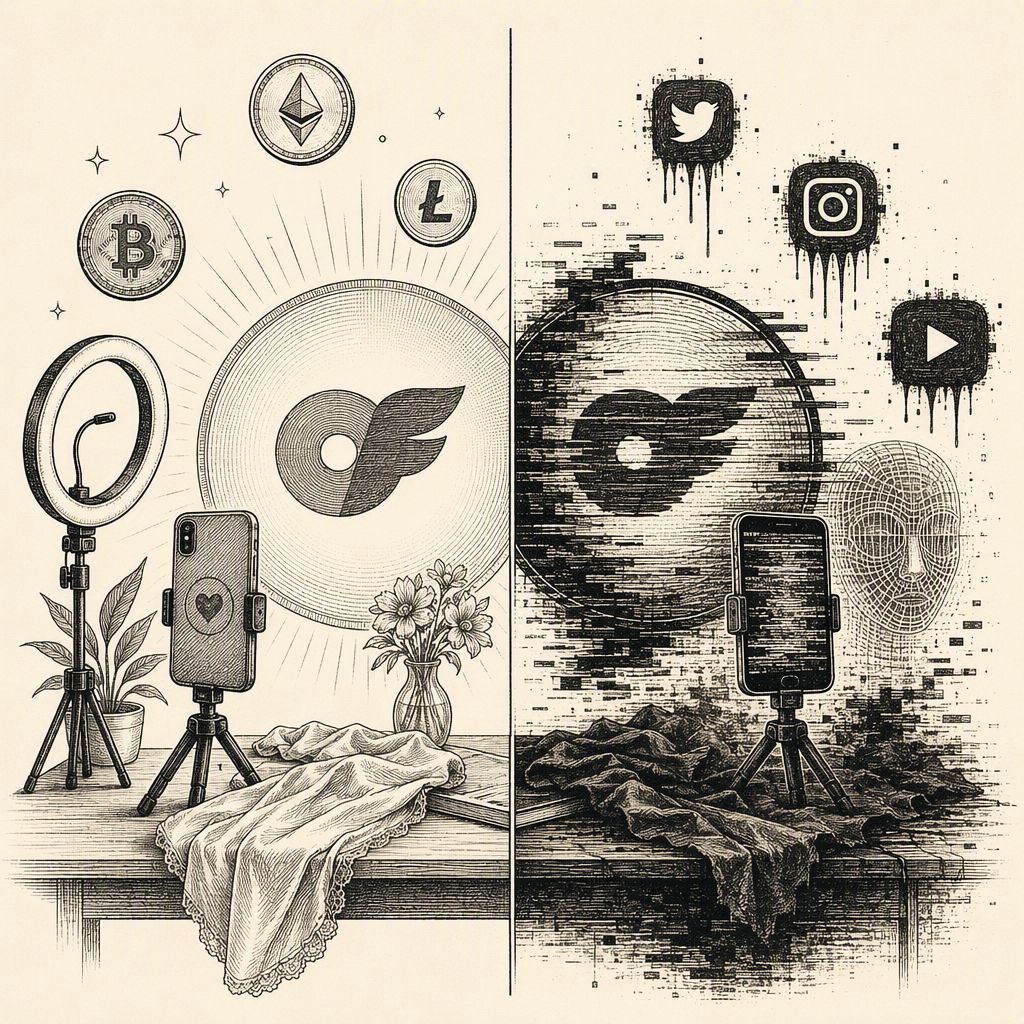
Scammers are increasingly exploiting the popularity of adult content creators on platforms like OnlyFans by using sophisticated AI tools to impersonate them. These malicious actors create fake profiles on social media sites such as TikTok, utilizing stolen images and cloned voices of real creators. Their goal is to lure unsuspecting fans into private messaging services, where they solicit advance payments for exclusive content.
The scam typically begins with a fake account on a platform like TikTok, featuring deepfake content and a cloned voice designed to mimic a popular OnlyFans creator. This fabricated persona then directs interested fans to direct messaging services like Snapchat. Once in a private conversation, the scammer, posing as the creator, requests payment, often via peer-to-peer services like Cash App, for promised exclusive content. The informal and rapid nature of these payment platforms makes recovery extremely difficult once funds are transferred.
Upon receiving the payment, the scammer immediately blocks the victim and disappears, leaving the fan without the promised content and out of pocket. This method represents a significant evolution in online fraud, leveraging readily available AI technology to create convincing impersonations that prey on fan loyalty and desire for exclusive material. The use of Cash App, designed for casual transactions, further facilitates the crime by offering little recourse for defrauded users.
While lawmakers are attempting to combat deepfake technology with various state and federal bills, including the Take It Down Act which criminalizes non-consensual explicit content, enforcement remains challenging. The stolen material and fake accounts are often hosted on overseas servers, making them difficult to control through domestic laws. Furthermore, research indicates that even when informed that content is fake, many individuals still struggle to disbelieve it, highlighting the psychological impact of convincing deepfakes.
The victims of this scam are twofold: the fans who lose money and the creators who are impersonated. Creators face not only the loss of potential income from legitimate fan interactions but also the risk of backlash from confused or angry fans who mistakenly believe the creator has defrauded them. One creator reported receiving constant complaints from fans who had been scammed, leading to significant distress and even fear for personal safety, with some fans showing up at their homes.
To combat this growing threat, some creators are resorting to hiring private content takedown services. Others are issuing public service announcements to warn their followers about the existence of these fake accounts and scams. However, the ultimate responsibility often falls on the fans to remain vigilant and critically assess any unsolicited contact or payment requests from purported creators.
Spotting these deepfakes can be difficult, but they often contain subtle flaws. For instance, a deepfake impersonating creator Elaina St. James reportedly featured distorted teeth and unnaturally frozen eyebrows. Fans are advised to scrutinize videos closely and, if approached on a third-party platform with a request for money, to verify the authenticity of the creator through their official, verified accounts. The core advice remains simple: if a "creator" steers you to a private messaging platform and solicits money, exercise extreme caution and common sense.
This trend underscores the broader challenge posed by AI-powered scams, which require users to be more discerning than ever. The ease with which scammers can now create convincing impersonations without needing to hack into accounts highlights the need for increased user awareness and robust verification methods across online platforms.