
Cloudflare Overhauls Model Context Protocol for Stateless Operation
Cloudflare has released a new specification for its Model Context Protocol (MCP), transitioning it to a stateless design to simplify deployment and reduce operational overhead for AI agents.
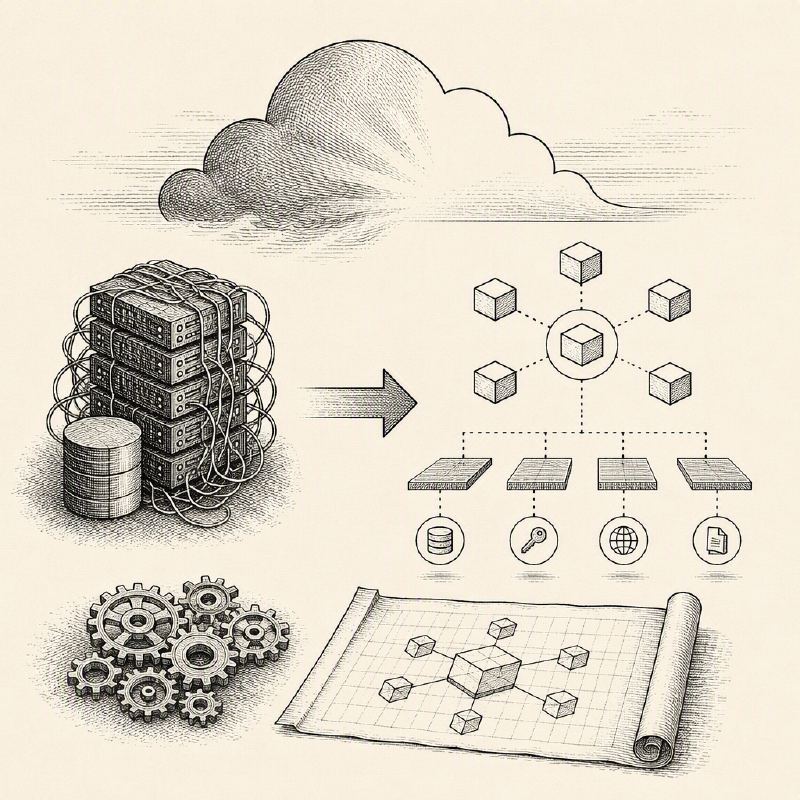
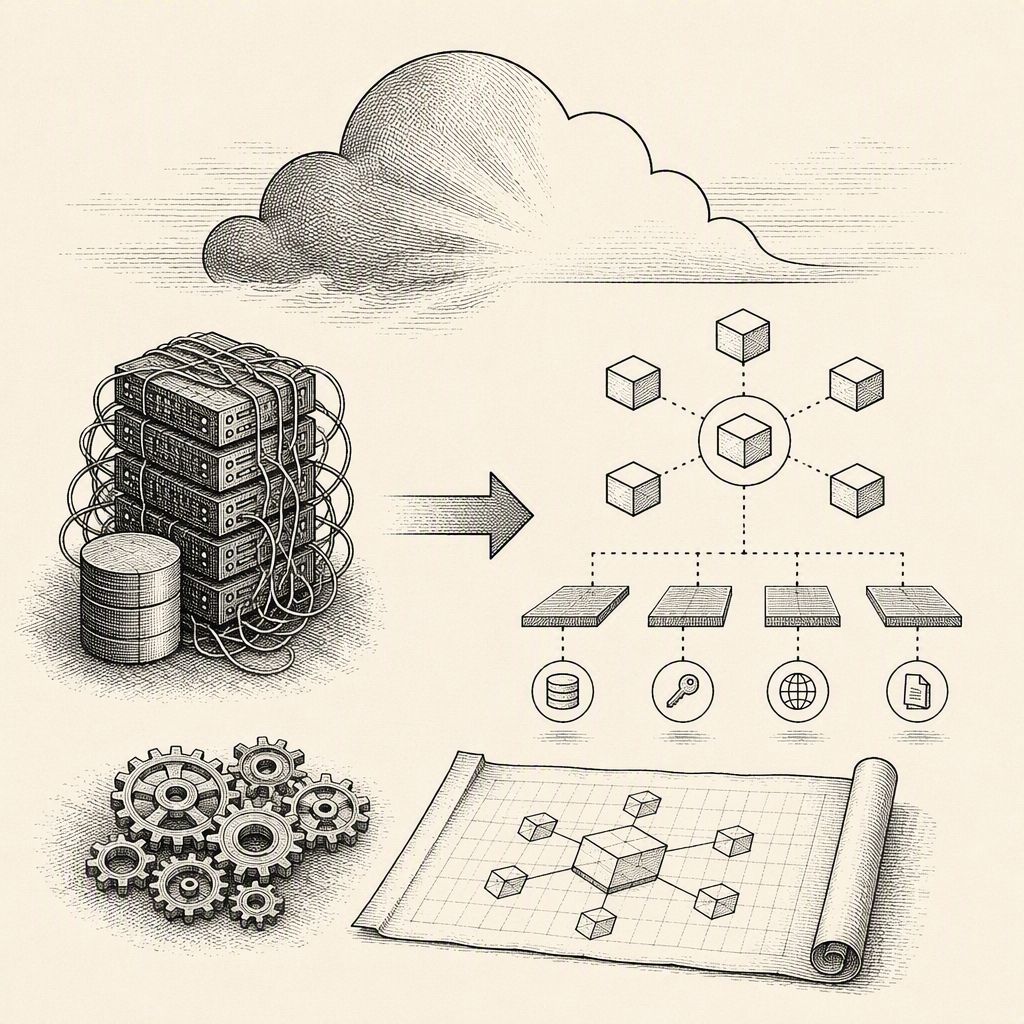
Cloudflare has announced a significant update to its Model Context Protocol (MCP) with the release of the MCP 2026-07-28 specification. This new version fundamentally shifts MCP from a stateful to a stateless protocol, aiming to streamline the development and deployment of AI agent applications. Previously, MCP required stateful connections and complex session management, which added considerable overhead for server administrators and developers.
The transition to a stateless model means that MCP servers no longer need to maintain persistent connections or manage session data. This simplification allows MCP servers to run efficiently in serverless environments, such as Cloudflare Workers, drastically reducing operational complexity and costs. The update includes new SDKs for TypeScript, Python, Go, and C#, all designed to support this new stateless paradigm and make it easier for developers to build and deploy AI agent services.
Cloudflare has been a key proponent of MCP since its inception in March 2025. The company has actively promoted its adoption, showcasing numerous partners like Asana, PayPal, and Stripe who have integrated MCP into their services. Initially, Cloudflare Durable Objects were highlighted as an ideal platform for hosting stateful MCP servers due to their combined compute, storage, and coordination capabilities. However, the team recognized the potential for further simplification and efficiency.
The core of the protocol change involves removing the mandatory handshake and the Mcp-Session-Id header from the request path. Each request now carries all necessary information, including protocol version, client identity, and capabilities. This eliminates the need for servers to track session state, which previously complicated auto-scaling, deployment migrations, and handling instance failures. The optional server/discover call allows clients to inspect server capabilities without maintaining a persistent session.
This stateless design also reworks how MCP handles elicitation, a process where a server might need further input from a client to complete a request. Instead of relying on open streams, the new protocol uses Multi Round-Trip Requests (MRTR). A server can return an input_required status, prompting the client to provide the necessary information in a subsequent request. This approach avoids the need for any transport session to be maintained between these requests, simplifying implementation and reducing the risk of broken sessions.
The removal of the stateful requirement means that MCP no longer necessitates primitives like Cloudflare's McpAgent. While Durable Objects remain suitable for applications that inherently require state, MCP itself can now leverage ephemeral, request-scoped infrastructure like Cloudflare Workers for faster scaling and reduced overhead. This makes MCP more accessible and cost-effective for a wider range of applications.
Customers and partners who have been testing the release candidate of the new specification have reported positive experiences, confirming the smooth migration path from the older McpAgent to the new createMcpHandler function. This widespread adoption and positive feedback during the testing phase provide confidence in the stability and usability of the updated protocol.
The implications of a stateless MCP are far-reaching for the AI agent ecosystem. By lowering the barrier to entry and reducing operational burdens, Cloudflare's updated protocol is poised to accelerate the development and deployment of more sophisticated and scalable AI-powered applications, enabling richer human-agent interactions.