
Cloudflare Introduces WebMCP for AI Agent Website Interaction
Cloudflare launches a developer preview of WebMCP, a new browser standard enabling AI agents to interact with websites by exposing tools without origin code changes.
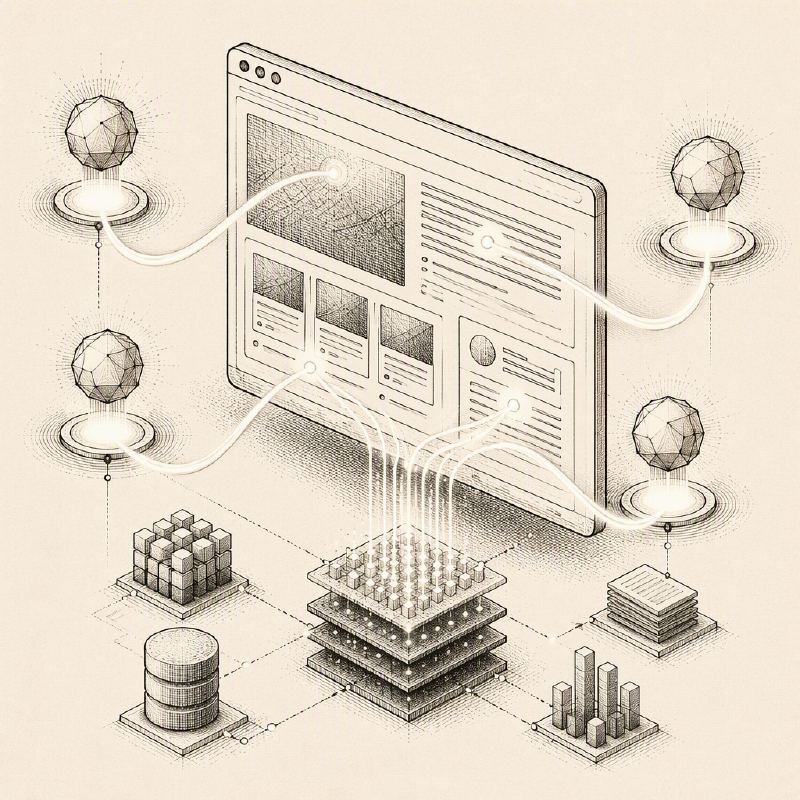
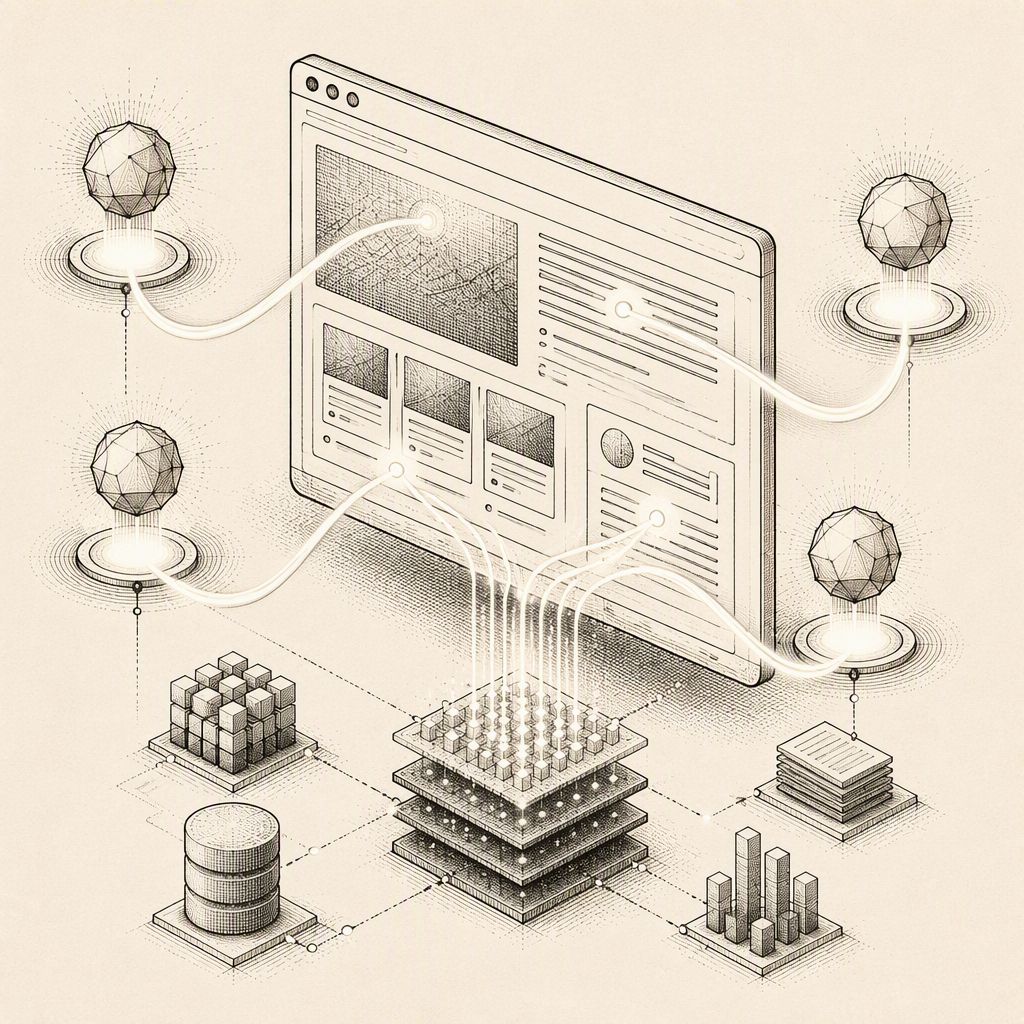
Cloudflare has announced the developer preview of WebMCP, a novel browser standard designed to facilitate interaction between AI agents and websites. This new technology aims to move beyond traditional web scraping by allowing websites to explicitly expose tools and functionalities for AI agents to utilize. The initiative seeks to create a more structured and efficient way for AI to engage with web content, moving away from the current paradigm built for human users.
WebMCP, experimentally integrated into Chrome 146, introduces document.modelContext within web pages. This allows websites to define a set of tools that agents can discover and employ, thereby enabling a more direct and task-oriented browsing experience for AI. Instead of agents having to navigate and interpret human-designed interfaces, WebMCP provides them with direct access to site functionalities, optimizing their use of computational resources.
Cloudflare's implementation simplifies the adoption of WebMCP for website owners. By enabling a feature in the Cloudflare Dashboard, a small bridge script is injected into HTML responses. This script, served from Cloudflare's edge, registers available tool packs for an agent without requiring any modifications to the website's origin code. This approach ensures compatibility with both static and single-page applications, making the technology broadly accessible.
The WebMCP tools are organized into packs, which are collections of related functionalities. Websites can enable these packs with a simple toggle, and as Cloudflare develops new tool packs, sites can opt into them without redeploying any code. The developer preview includes two initial tool packs: Content Credentials, which allows agents to read metadata from images, and Site MCP Server, which facilitates communication with an existing MCP server.
Crucially, the tools in this preview run entirely within the visitor's browser, eliminating the need for server-side processing by Cloudflare or the website owner for these specific functions. For instance, the Content Credentials pack can parse provenance metadata from images locally. Future iterations may leverage Cloudflare Workers for more complex tasks, such as summarizing sitemaps or querying AI search indexes.
Agents interact with these exposed tools using the Model Context Protocol (MCP), the same standard used for communicating with MCP servers. This compatibility means that agents already equipped to handle MCP requests can seamlessly interact with websites that have enabled WebMCP. Cloudflare's solution effectively turns the browser into another environment where MCP can operate.
To activate WebMCP, administrators can navigate to the Labs section within their Cloudflare Dashboard, select a domain, and toggle the feature on. The Content Credentials and Site MCP Server packs are enabled by default. Once activated, the next HTML response served by the site will include the necessary bridge script, making the tools available to AI agents. Cloudflare's BrowserRun, a remote browser service, can be used to test the functionality by visiting the enabled URL.
This initiative represents a significant step towards a more AI-friendly internet. By providing a standardized mechanism for AI agents to interact with web content and services, WebMCP aims to unlock new possibilities for automation, data analysis, and user experiences, while simultaneously offering website owners a low-friction way to participate in this evolving digital landscape.