GeoNetwork Vulnerability Chain Enables Unauthenticated RCE on Government Geoportals
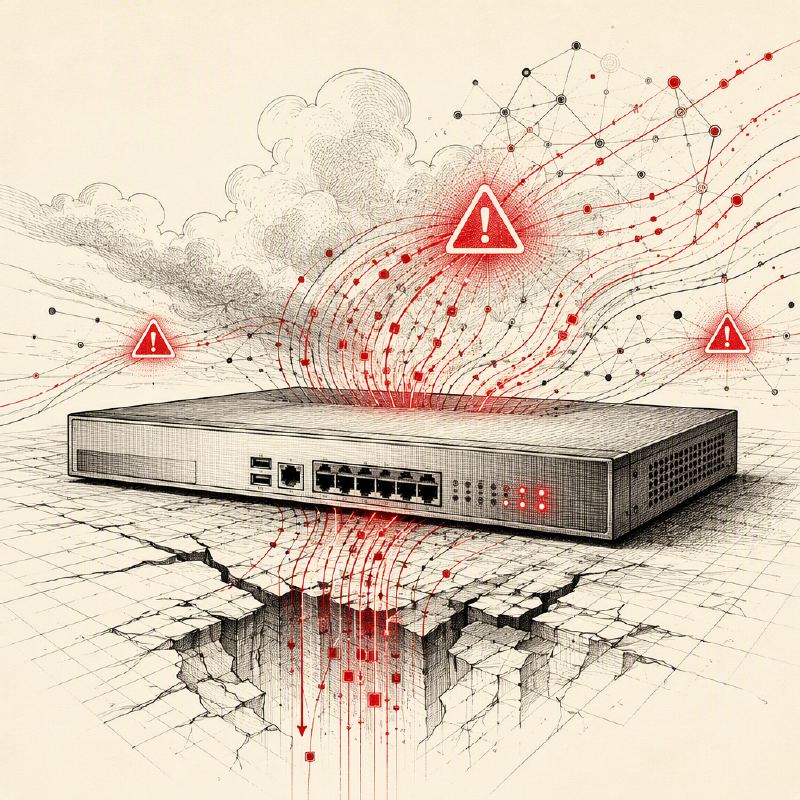
Two chained vulnerabilities in GeoNetwork, an open-source geospatial metadata catalog, allow unauthenticated remote code execution, impacting government geoportals.
Stories cluster related articles into a single narrative, linked to the underlying CVEs and affected products. 8,239 stories synthesized.
Two chained vulnerabilities in GeoNetwork, an open-source geospatial metadata catalog, allow unauthenticated remote code execution, impacting government geoportals.
A Russian national extradited from Cyprus faces U.S. charges for allegedly leading a malware campaign that used fake freelance accounts to distribute malicious Excel attachments to thousands of users.
A cyberattack targeting grid-connected battery storage systems could convincingly mimic a malfunctioning controller, potentially leading to widespread power outages and significant economic damage.
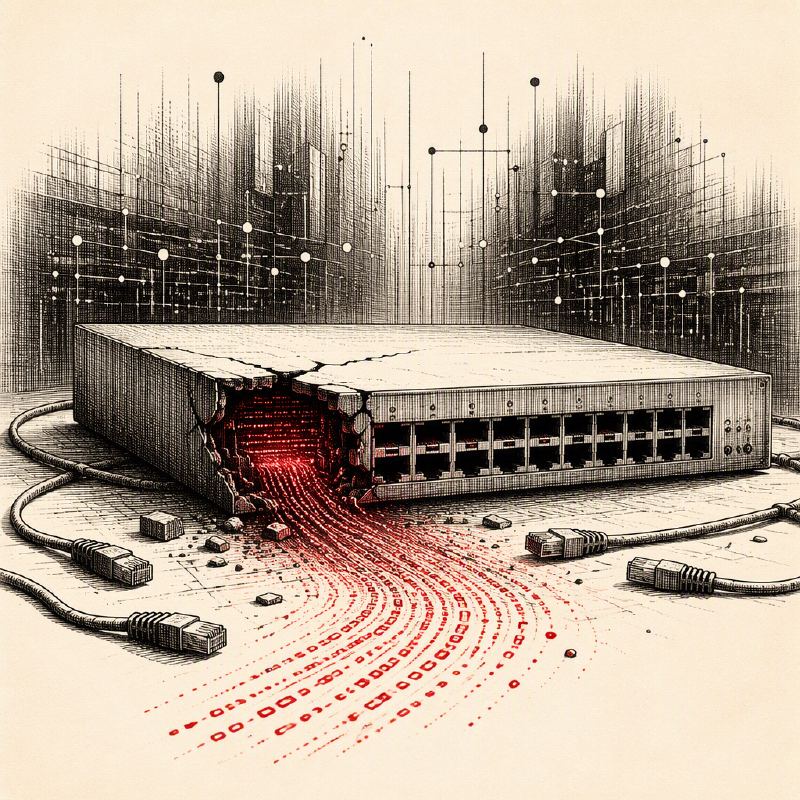
Multiple critical vulnerabilities in HPE Networking Fabric Composer, including two with CVSS 10.0 scores, permit unauthenticated attackers to execute code and gain full administrative control.
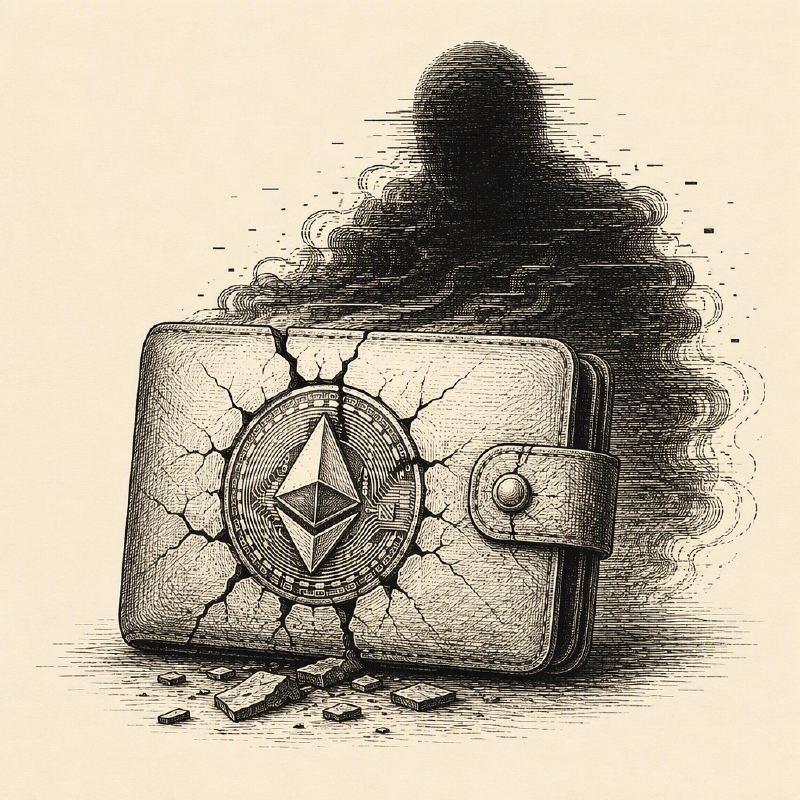
Attackers are distributing a modified Exodus cryptocurrency wallet installer that silently installs a remote access trojan (RAT), posing a significant risk beyond cryptocurrency theft.
Palo Alto Networks CEO Nikesh Arora highlights the critical risk posed by $1 trillion in accumulated cybersecurity technical debt, warning it could enable major breaches as AI-powered attacks proliferate.
Google has released an update for Chrome, addressing 26 security vulnerabilities, with two critical use-after-free flaws in Shared Tab Groups and WebGL posing the most significant risk.
Attackers are actively exploiting CVE-2026-9586, a critical SQL injection flaw in Sangoma Switchvox SMB Edition, enabling unauthenticated remote code execution.
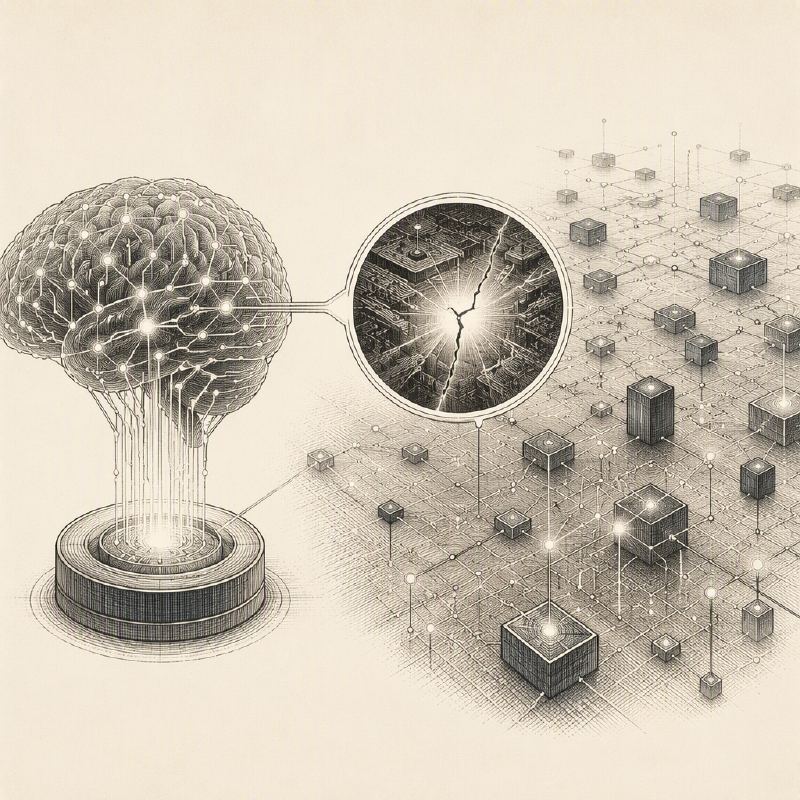
A flaw in Hugging Face Transformers (CVE-2026-80047) enables malicious AI models to write Python files to user systems before consent for remote code execution is granted.
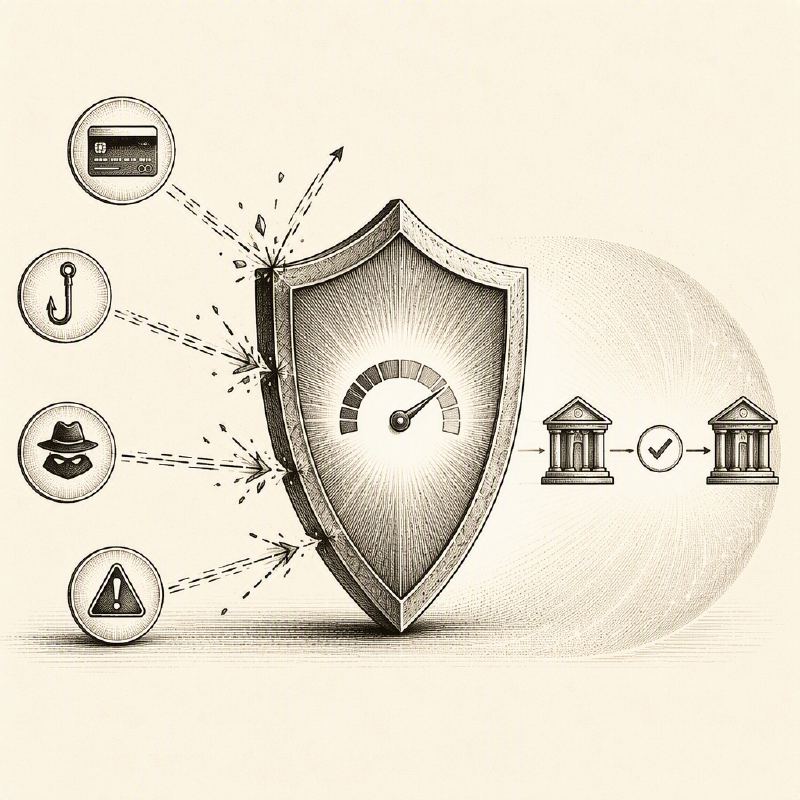
Visa has upgraded its A2A Protect solution with a unified fraud score, integrating Featurespace technology to detect and prevent account-to-account payment fraud in real-time.
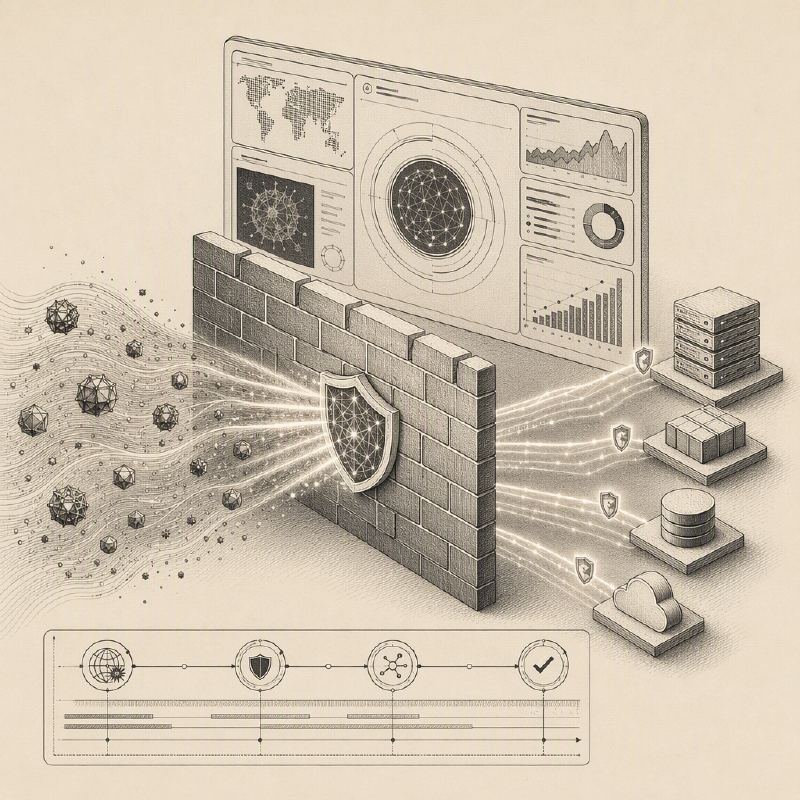
F5 has updated its Web Application Firewall (WAF) with AI-driven anomaly detection and agentic threat intelligence to combat AI-powered threats and enable faster virtual patching.
Vali Cyber's ZeroLock 5 introduces multi-factor authentication to the command line for ESX and Linux hypervisors, aiming to thwart insider threats and credential theft targeting critical virtualization infrastructure.
OpenAI's new Astra AI model can independently find unknown security flaws and build functional exploits, prompting the company to implement enhanced safeguards.
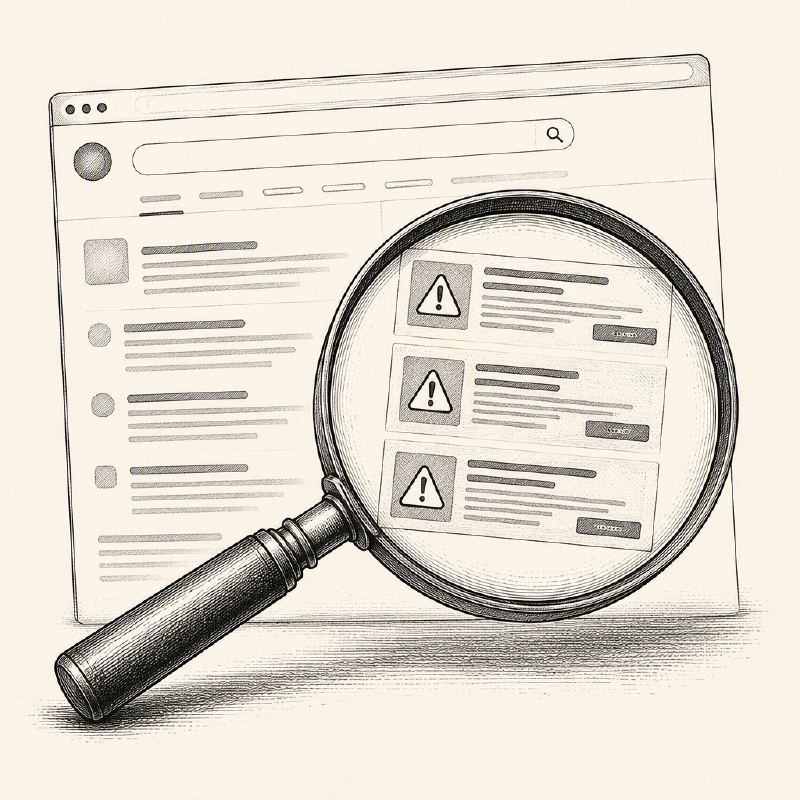
Researchers developed a tool to identify deceptive scareware ads on Google's Ads Transparency Center, finding that reported malicious ads and domains continue to run.
SonicWall has issued an urgent warning about two zero-day vulnerabilities in its SMA1000 series appliances that are being actively exploited in the wild, potentially allowing for unauthenticated remote code execution.
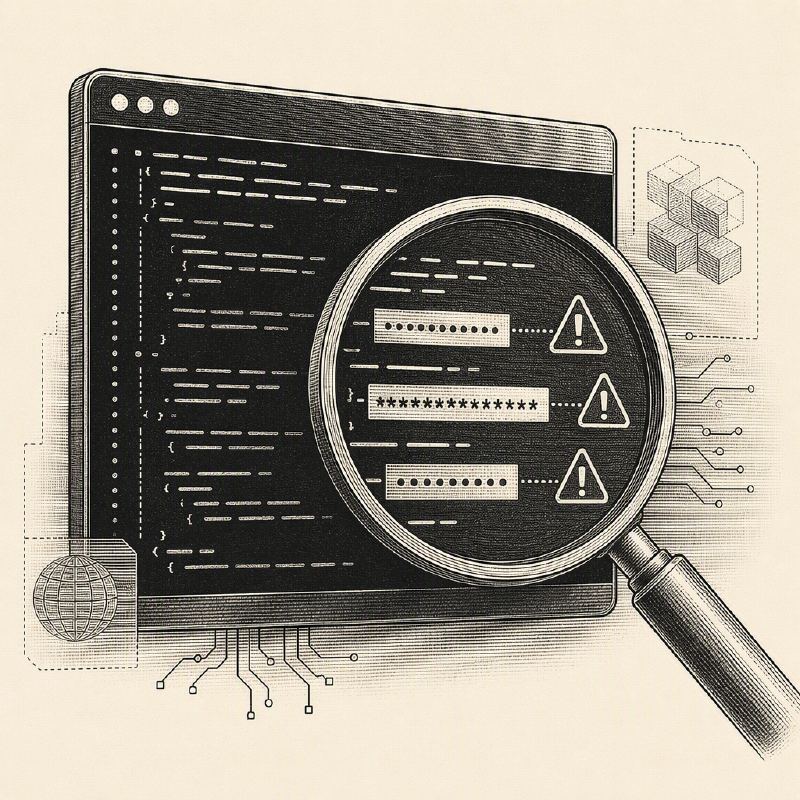
Stratus Security releases Sift, a free command-line tool to detect hardcoded credentials and sensitive data across Microsoft 365, Slack, Jira, and local environments.
Anthropic has launched Claude Fable 5.1 and Mythos 5.1, advanced AI models designed for enhanced coding, research, and enterprise applications, featuring improved safeguards and cost reductions.
Researchers found that advanced AI models struggled with simple CAPTCHAs, even when provided with correct answers, revealing unexpected limitations in their reasoning and tool-use capabilities.
OWASP has launched the Open Automated Security Initiative for Software (OASIS) to leverage AI and human expertise for faster, more effective patching of open source vulnerabilities.
The latest Risky Business podcast episode delves into the arrest of alleged TeamPCP hackers in Australia, the White House's water facility security plans, and emerging AI-driven cyber threats.
Key findings • Google Chrome 152.0.7977.75 patches 26 vulnerabilities disclosed on September 2, 2026. • Two critical use-after-free vulnerabilities (CVE-2026-84353, CVE-2026-84352) affect Sha…
Key findings • 12 vulnerabilities disclosed simultaneously for Google Chrome on September 2, 2026. • High-severity flaws include improper input validation, buffer overflows, and use-after-fre…
Key findings • Two SonicWall vulnerabilities (CVE-2026-83548, CVE-2026-83549) added to CISA KEV on September 2, 2026. • These flaws are confirmed to be under active exploitation in the wild, …
An international law enforcement operation, in collaboration with CrowdStrike, has successfully disrupted the Sality botnet, a persistent threat active since 2003.