
Critical HPE Fabric Composer Flaws Allow Unauthenticated System Takeover
Multiple critical vulnerabilities in HPE Networking Fabric Composer, including two with CVSS 10.0 scores, permit unauthenticated attackers to execute code and gain full administrative control.
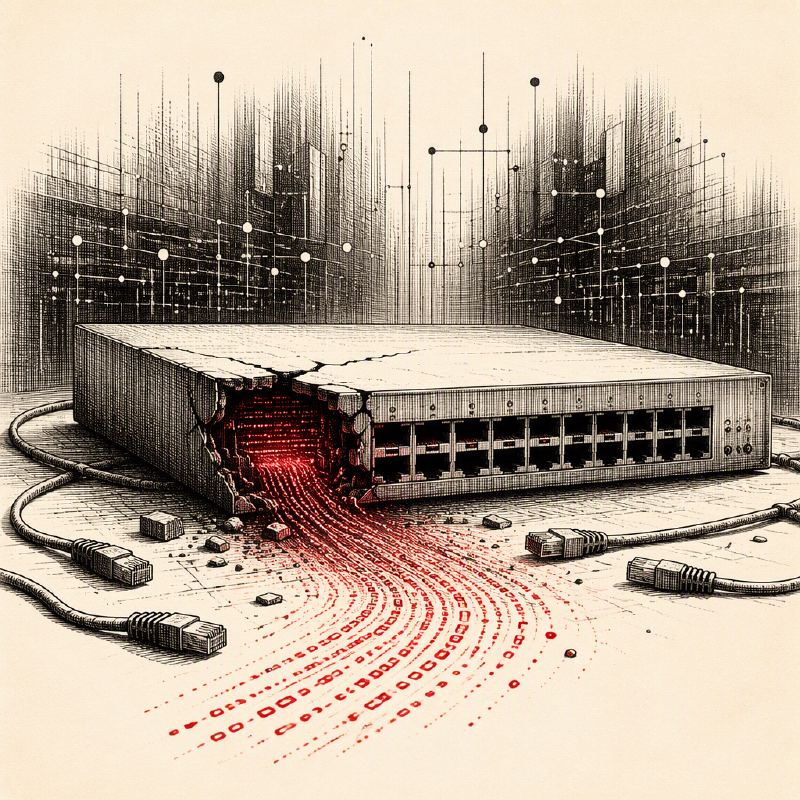
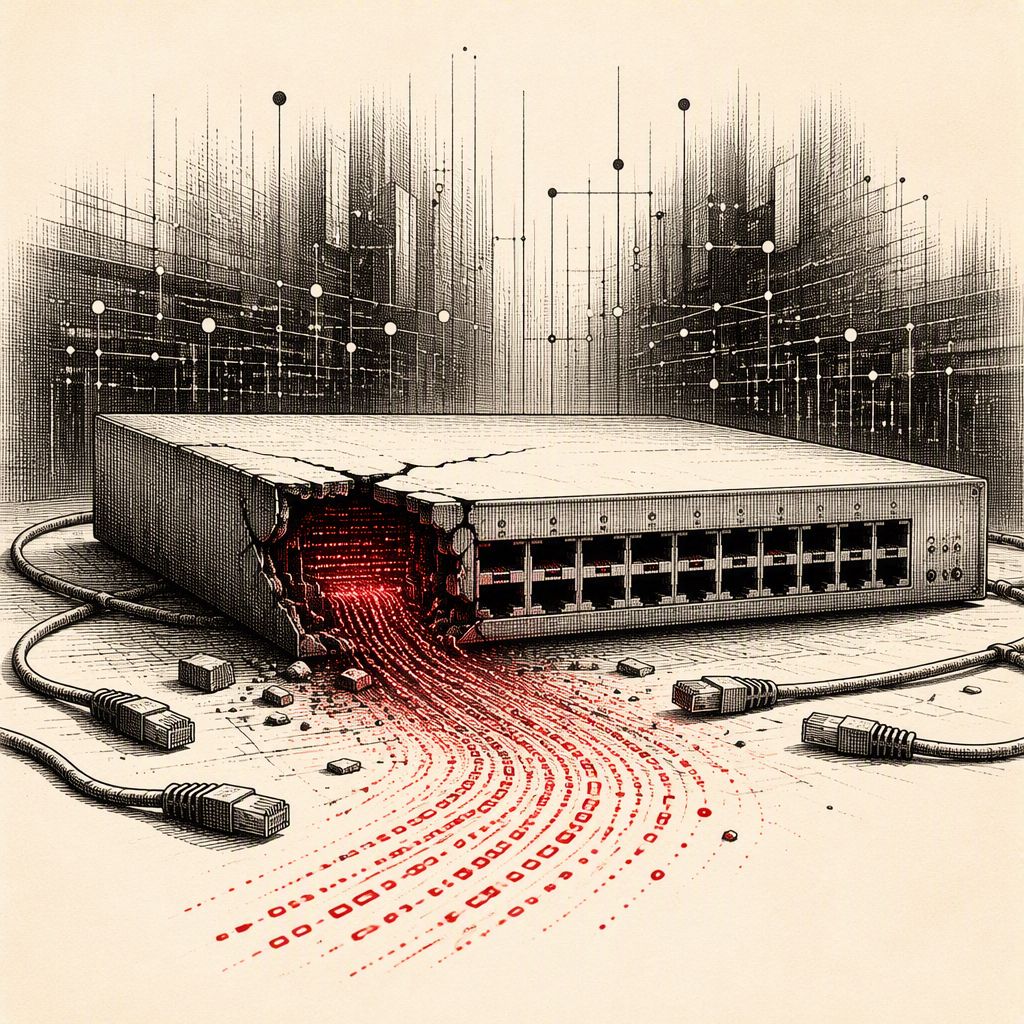
HPE has issued urgent security updates for its Networking Fabric Composer software following the discovery of a significant set of vulnerabilities. These flaws, affecting version 7.3.3 and earlier, could allow unauthenticated attackers to bypass security measures, execute arbitrary code, and achieve complete administrative control over network management systems.
Fabric Composer is a critical tool for managing and automating data-center network fabrics. A successful compromise of this platform poses a severe risk, as it grants attackers the ability to manipulate essential network infrastructure. The most critical of these vulnerabilities are tracked as CVE-2026-76657 and CVE-2026-76658, both of which have been assigned the maximum CVSS score of 10.0, indicating the highest possible severity.
CVE-2026-76657, an API authentication bypass flaw, allows a remote attacker to circumvent existing authentication mechanisms and gain administrative privileges without valid credentials. This level of access could lead to a complete takeover of the Fabric Composer host. Complementing this, CVE-2026-76658 targets the product's SSH daemon. An unauthenticated remote attacker exploiting this vulnerability could gain administrative access and execute arbitrary commands with elevated privileges on the underlying operating system.
In practical terms, a successful exploitation of these vulnerabilities could grant an attacker full control over the affected appliance. This control could be used to alter network configurations, exfiltrate sensitive information, or establish a foothold for further lateral movement within an organization's network. The potential for widespread disruption and data compromise is significant.
Beyond the two CVSS 10.0 flaws, HPE also addressed CVE-2026-19766, an adjacent-network authentication bypass rated 9.6. This vulnerability could enable an unauthenticated attacker on the same network segment to execute arbitrary code with privileged operating-system permissions. The advisory also details other serious findings, including unauthenticated remote code execution bugs, stored cross-site scripting (XSS) issues, command injection, arbitrary file write capabilities, SQL injection, privilege escalation, information disclosure, and denial-of-service (DoS) vulnerabilities.
Several of these weaknesses are particularly concerning due to their potential for chaining. An attacker could, for instance, leverage an information disclosure bug to map internal services before exploiting an authentication bypass or remote code execution flaw to seize control of the server. Additionally, lower-privileged Fabric Composer users might be able to exploit certain API and web interface flaws to escalate their privileges to administrative levels.
HPE's internal security researchers discovered these vulnerabilities. While the company stated it was unaware of any public exploit code or active exploitation at the time of the advisory's release, the broad scope and high severity of these bugs necessitate prompt patching. This is especially critical for systems whose management interfaces are accessible from untrusted networks.
HPE strongly recommends that organizations using Fabric Composer upgrade to version 7.4.0 or later in the 7.4 branch, or version 7.3.4 or later in the 7.3 branch. Additional security measures include restricting management interfaces to dedicated network segments, enforcing firewall controls, and implementing robust logging and accounting for access and user activity. Older releases that have reached their End of Maintenance should be considered potentially exposed unless explicitly stated otherwise by HPE. Administrators are urged to identify all Fabric Composer installations, verify their current versions, apply the vendor's fixes, and meticulously review administrator accounts, SSH exposure, API access, and network management logs for any signs of suspicious activity.