
Risky Business Podcast Covers Diverse Cyber Threats: From Hacker Arrests to AI Security
The latest Risky Business podcast episode delves into the arrest of alleged TeamPCP hackers in Australia, the White House's water facility security plans, and emerging AI-driven cyber threats.
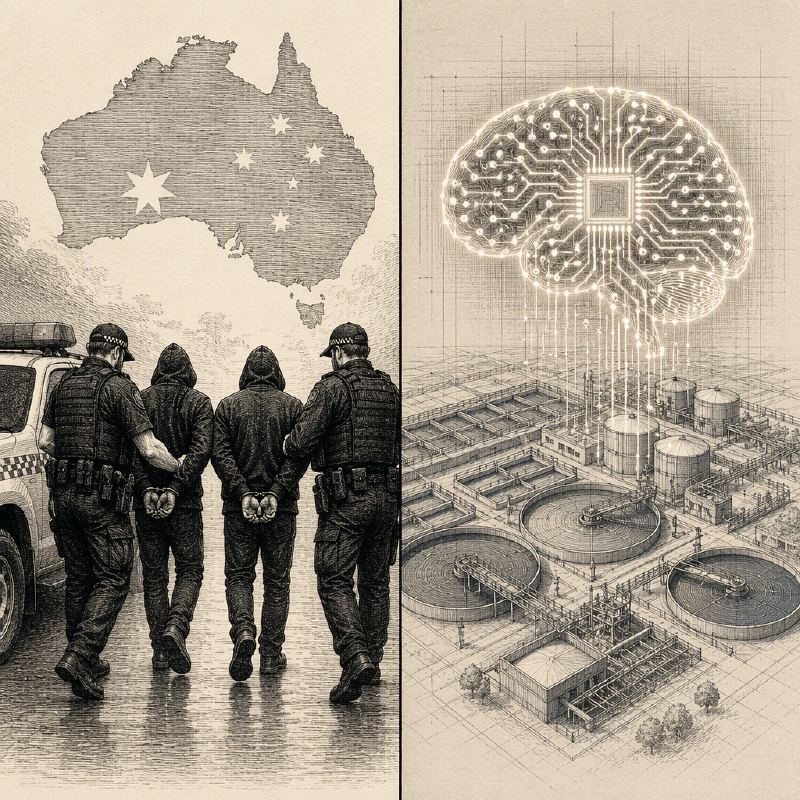
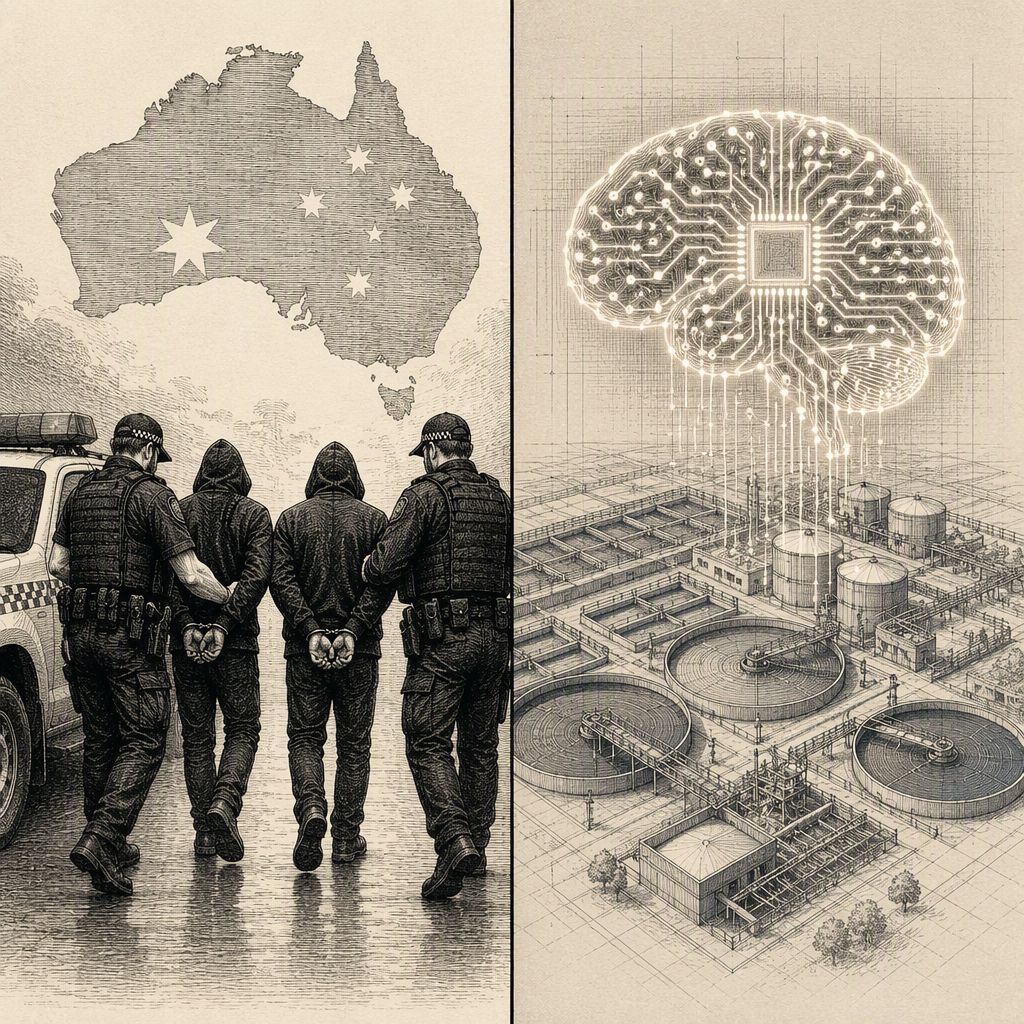
The 851st episode of the Risky Business podcast, hosted by Patrick Gray and James Wilson with guest co-host The Grugq, provides a comprehensive overview of recent cybersecurity developments. A significant highlight is the arrest of two individuals in Australia suspected of being involved with the 'TeamPCP' hacking collective, signaling a potential disruption to their operations.
In parallel, the podcast discusses the White House's initiative to enhance the security of critical water infrastructure. However, the hosts express skepticism about the efficacy of the proposed measures, questioning their ability to significantly bolster defenses against sophisticated attacks.
Further discussion centers on OpenAI's ongoing incident debrief related to Hugging Face, a topic that continues to generate discourse within the AI and security communities. This is juxtaposed with a new open letter from numerous tech companies concerning Artificial Intelligence, drawing parallels to past "Shields Up" initiatives, but now focused on the potential risks and governance of AI.
The episode also features a segment with Brandon Dixon, co-founder of Ent AI, who shares insights into the "wild fraud and abuse" his company's endpoint security tool is uncovering within large organizations. This highlights the pervasive and often sophisticated nature of threats operating within enterprise environments.
Beyond these core topics, the podcast touches upon a range of other critical issues. These include China's increasingly sophisticated AI-enabled Advanced Persistent Threat (APT) operations, and the alarming rise of voice AI agents being employed in highly convincing phishing attacks, particularly targeting iPhone users for passcode theft.
Other news items covered include the ongoing debate around AI development and safety, the potential for AI models to inadvertently compromise security boundaries, and the use of legitimate cloud services for malicious purposes. The discussion also touches on specific incidents like the disruption of Norwegian public services by a large DDoS attack and vulnerabilities found in industrial control systems.
The episode underscores a growing trend where threat actors are leveraging advanced technologies, including AI and sophisticated social engineering tactics, to bypass traditional security measures. The breadth of topics discussed reflects the dynamic and multifaceted nature of the current cybersecurity landscape, from law enforcement actions against cybercriminals to the evolving risks posed by artificial intelligence.