
Palo Alto Networks CEO Warns of $1 Trillion Cybersecurity Debt Amidst AI Attack Surge
Palo Alto Networks CEO Nikesh Arora highlights the critical risk posed by $1 trillion in accumulated cybersecurity technical debt, warning it could enable major breaches as AI-powered attacks proliferate.
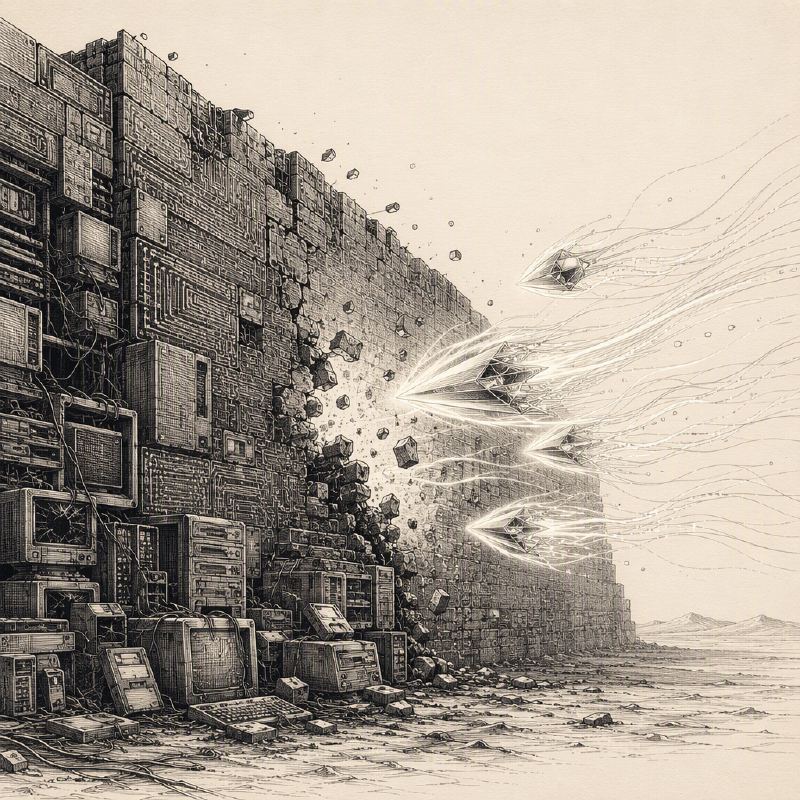
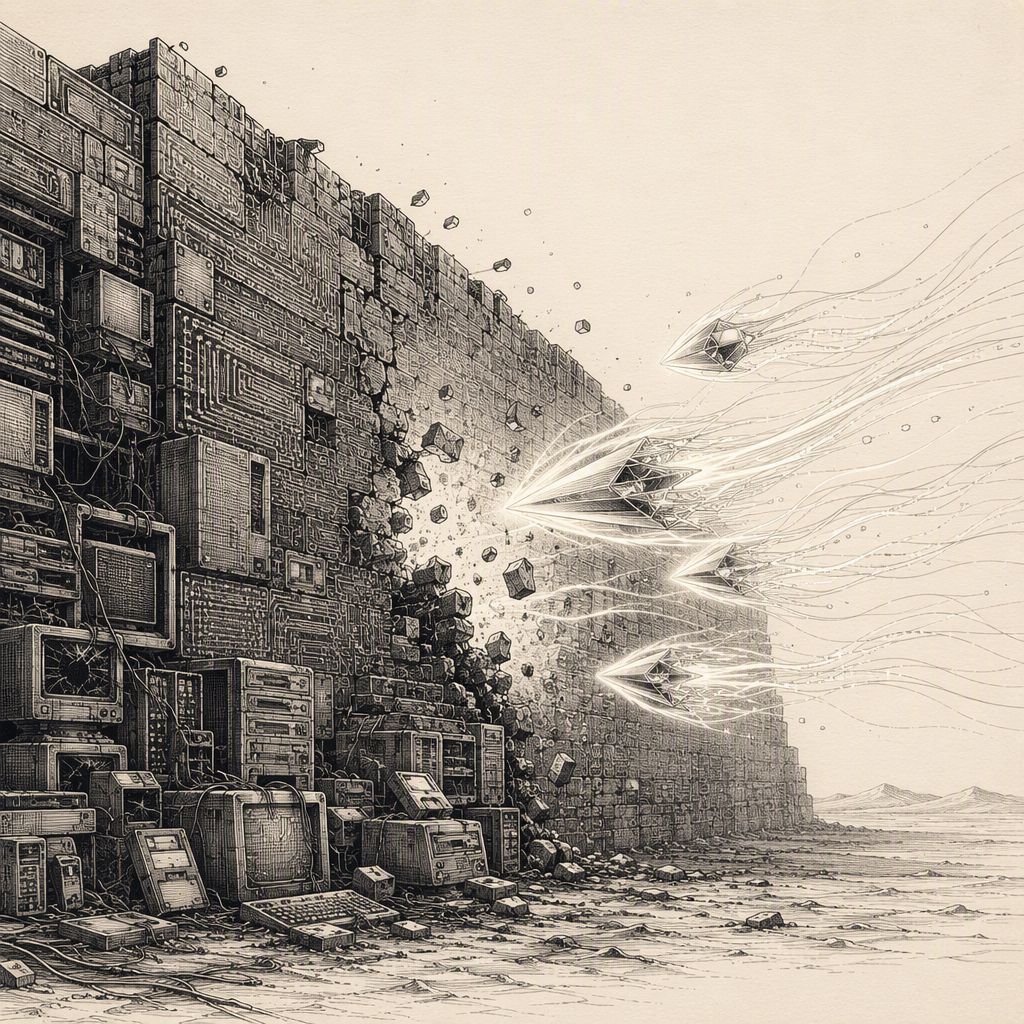
Palo Alto Networks Chairman and CEO Nikesh Arora has issued a stark warning regarding the global cybersecurity landscape, estimating that approximately $1 trillion in accumulated technical debt represents a significant vulnerability. This vast sum, accrued from years of deferred upgrades and unpatched systems, could serve as a critical weak link against the rapidly advancing capabilities of artificial intelligence-enabled threats, potentially leading to major breaches in the coming years.
Arora emphasized that the long-term solution to these emerging threats lies in modernizing network infrastructure and making security operations more "agentic." He explained that the ability to quickly detect and shut down threats that manage to bypass perimeter defenses is paramount. This necessitates a move towards unified, real-time defense strategies, integrating various security components like firewalls, Secure Access Service Edge (SASE), and Software-Defined Wide Area Network (SD-WAN) solutions.
The proliferation of specialized AI models, particularly open-source and open-weight architectures, has dramatically expanded the enterprise attack surface. Palo Alto Networks has observed a ninefold increase in agentic traffic on its SASE platform over the past nine months. While these models offer organizations greater control over proprietary data and sovereignty over agents, their rapid fragmentation and widespread deployment create more infrastructure to fortify and more sensitive data to protect.
Arora noted that the capabilities of open-source AI models are rapidly approaching those of leading frontier models. He expressed concern that if these advanced capabilities become commonplace, organizations will have a limited window to address their existing cybersecurity technical debt. The slow pace of modernization, often driven by business priorities and the lifecycle of existing products, means many firms are not transforming their security posture quickly enough to keep pace with AI development.
Organizations are juggling numerous priorities, including AI transformation initiatives for customer support, coding, and large language model (LLM) deployment. These AI initiatives add another layer of complexity to the already challenging task of modernizing legacy security infrastructure. The modernization process is not a quick fix; it requires significant time and resources, often leading companies to delay upgrades until existing products reach end-of-life or contracts expire.
Ultimately, Arora envisions a future of agentic cybersecurity, where new products can learn from vast datasets already ingested by security platforms. This would reduce the need for extensive manual configuration during integration. Palo Alto's Cortex XDR software, for instance, already collects 19 terabytes of data daily across various security domains, providing a foundation for future AI-driven security solutions.
Looking ahead five years, Arora anticipates that security products will be able to autonomously understand and replace existing deployments within a week, requiring less human intervention for configuration and policy management. This vision hinges on leveraging the ever-increasing volume of data to train enterprise products, ensuring they don't "start dumb" for each new customer and can proactively address security challenges.
The CEO's remarks were made against the backdrop of Palo Alto Networks' financial performance, which saw revenue and non-GAAP earnings beat expectations for the quarter ended July 31, 2026. Despite these positive financial results, the company's stock experienced a slight decline.