
Open-Source Tool Sift Scans for Secrets in Cloud Services and Local Systems
Stratus Security releases Sift, a free command-line tool to detect hardcoded credentials and sensitive data across Microsoft 365, Slack, Jira, and local environments.
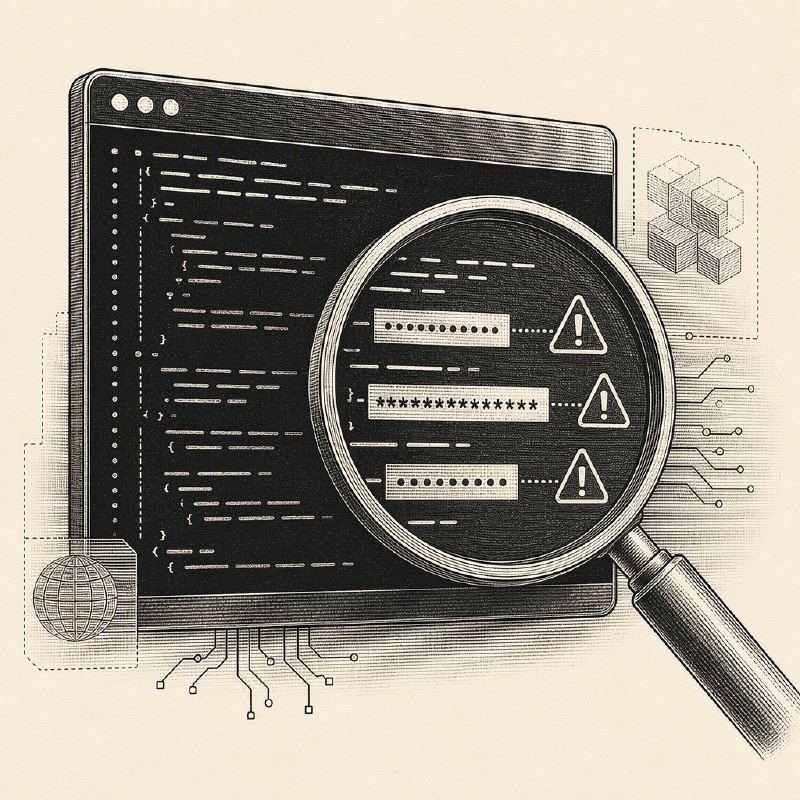
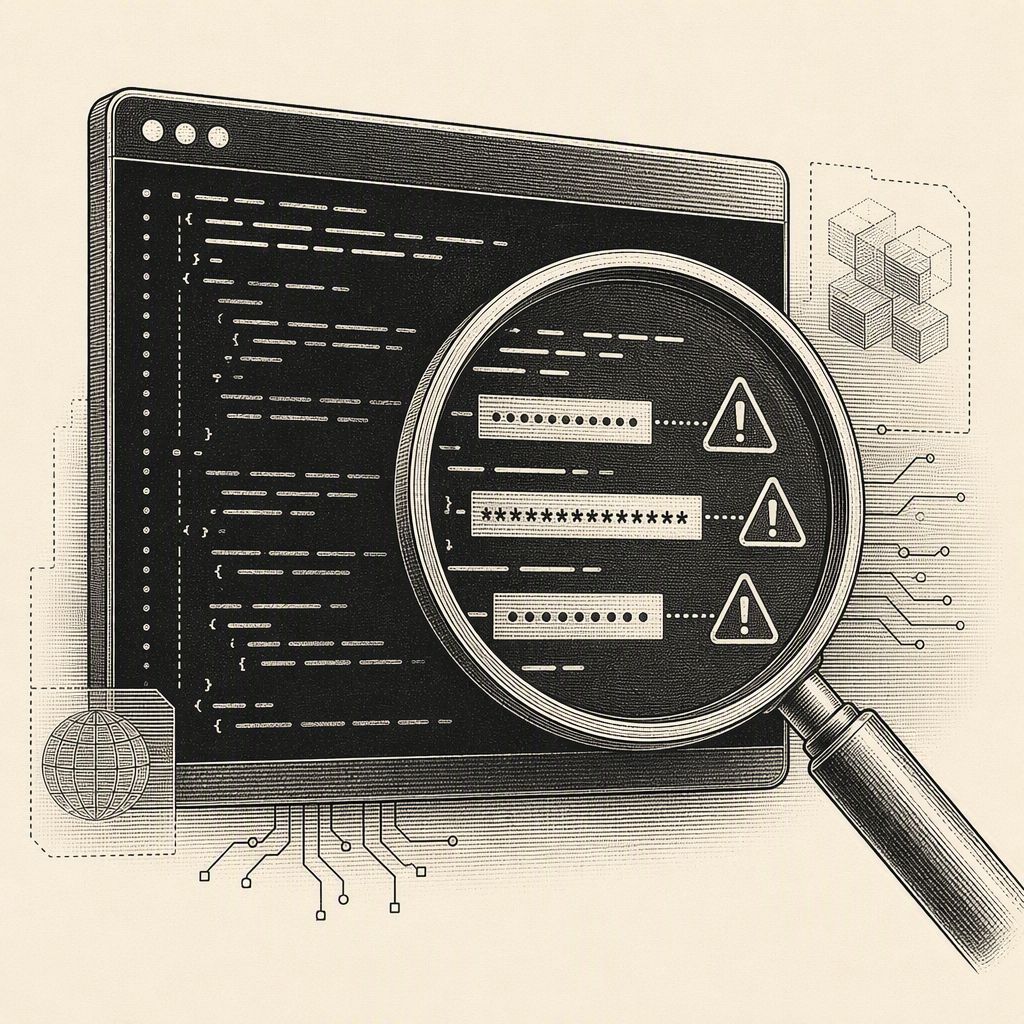
Stratus Security, a penetration testing consultancy, has launched Sift, a new open-source command-line tool designed to help organizations identify and remediate exposed secrets. The tool scans for sensitive information such as passwords, API keys, and other credentials across a wide range of common storage and collaboration platforms, as well as local systems.
Sift's comprehensive scanning capabilities extend to popular cloud services including Microsoft 365 (covering SharePoint, OneDrive, and Teams files), Slack messages, and data within Jira and Confluence instances. Beyond cloud platforms, the tool can also audit local disk contents, Windows file shares, and entire Active Directory domains, providing a broad view of potential credential exposures.
The development of Sift stems from Stratus Security's own internal use during penetration testing engagements. Recognizing the widespread challenge of managing and securing sensitive data, the company decided to release the tool freely to the cybersecurity community. This move aims to empower organizations of all sizes to proactively discover and address hardcoded secrets that could otherwise be exploited by attackers.
"Where the credentials are" is a critical question for many organizations, and Sift provides a systematic approach to answering it. By automating the search for these sensitive artifacts, security teams can significantly reduce the attack surface associated with accidental credential leakage. The tool's command-line interface makes it suitable for integration into existing security workflows and CI/CD pipelines, enabling continuous monitoring.
Exposed secrets remain a primary vector for initial access and lateral movement in cyberattacks. Hardcoded credentials in code repositories, configuration files, or chat messages can provide attackers with direct access to sensitive systems and data. Tools like Sift are essential for uncovering these vulnerabilities before they are discovered and exploited by malicious actors.
While Sift focuses on detection, its release underscores the ongoing need for robust secrets management practices. Organizations are encouraged to use the insights gained from Sift to implement stronger policies around credential handling, such as using dedicated secrets management solutions, regularly rotating keys, and avoiding hardcoding sensitive information in code or configuration files.
The open-source nature of Sift also allows for community contributions and transparency, fostering trust and enabling rapid adaptation to new threat landscapes. As cloud adoption and remote work continue to grow, the importance of tools that can scan diverse environments for exposed secrets will only increase.