ShieldFont Font Obfuscates Web Content to Thwart AI Scraping
A new web font technology, ShieldFont, aims to protect online content from AI-driven scraping by presenting different text to human readers than to automated bots.
Stories cluster related articles into a single narrative, linked to the underlying CVEs and affected products. 8,236 stories synthesized.
A new web font technology, ShieldFont, aims to protect online content from AI-driven scraping by presenting different text to human readers than to automated bots.
New research from Brigham Young University indicates that AI-generated spear-phishing text messages are highly effective, even fooling cybersecurity professionals.
Anthropic has significantly improved Claude Fable 5's biology safety classifiers, reducing false positives by 85% and enhancing user experience for legitimate health and educational queries.
Key findings • Microsoft patched 17 vulnerabilities on August 7, 2026, across its product suite. • Four vulnerabilities received a maximum CVSSv3 score of 10.0, including critical flaws in Te…
Key findings • CVE-2026-8037, affecting Progress software, is now in CISA's KEV catalog. • The vulnerability is confirmed to be under active exploitation by threat actors. • Immediate pat…
The USENIX Security Symposium saw a record 3,030 paper submissions, with organizers implementing measures against AI-generated fake references and misuse of AI in reviews.
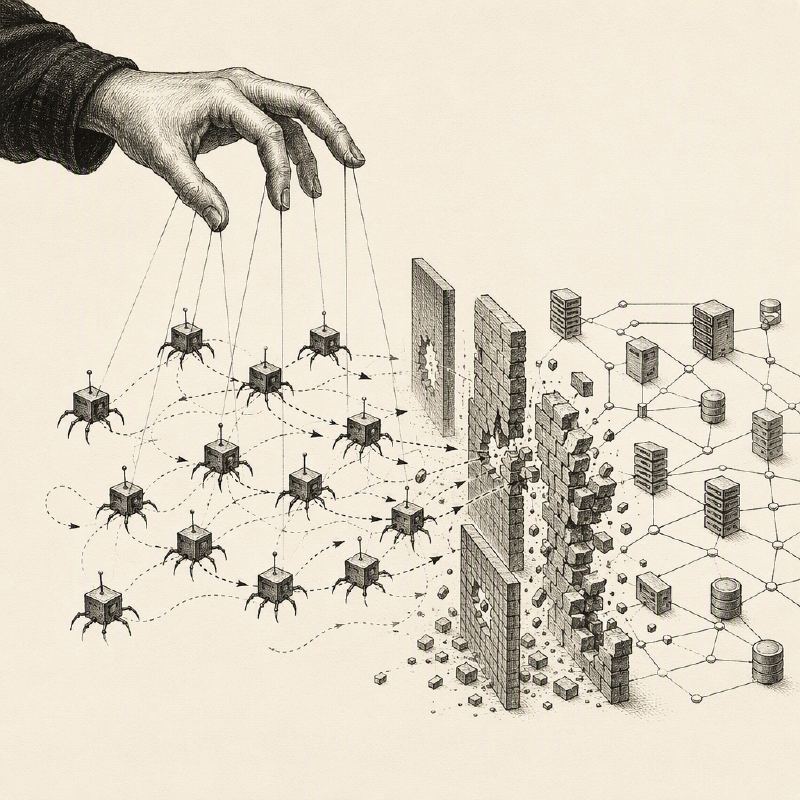
Cybercriminals are increasingly employing agentic AI to automate network intrusions, evolve malware, and scale operations, posing a significant challenge to traditional security defenses.
Check Point Research has discovered five critical vulnerabilities in Cloudflare's workerd runtime, impacting both Cloudflare Workers and Code Mode, with potential for sandbox escapes and cross-tenant data theft.
Key findings • Five FFmpeg vulnerabilities disclosed on August 6, 2026, ranging from Medium to High severity. • Two High severity flaws (CVE-2026-70632, CVE-2026-70628) involve heap corruptio…
Key findings • 25 Linux kernel vulnerabilities disclosed in a single batch on August 5-6, 2026. • Flaws span multiple subsystems including x86, KVM, USB, networking, and file systems. • V…
Key findings • 25 CVEs disclosed together for Chromium on August 6, 2026, including 3 Critical and 20 High severity flaws. • Multiple use-after-free vulnerabilities across various components …
Key findings • Google Chrome 151 patched 25 vulnerabilities disclosed on August 6, 2026, including critical flaws. • Multiple use-after-free vulnerabilities were found across various Chrome c…
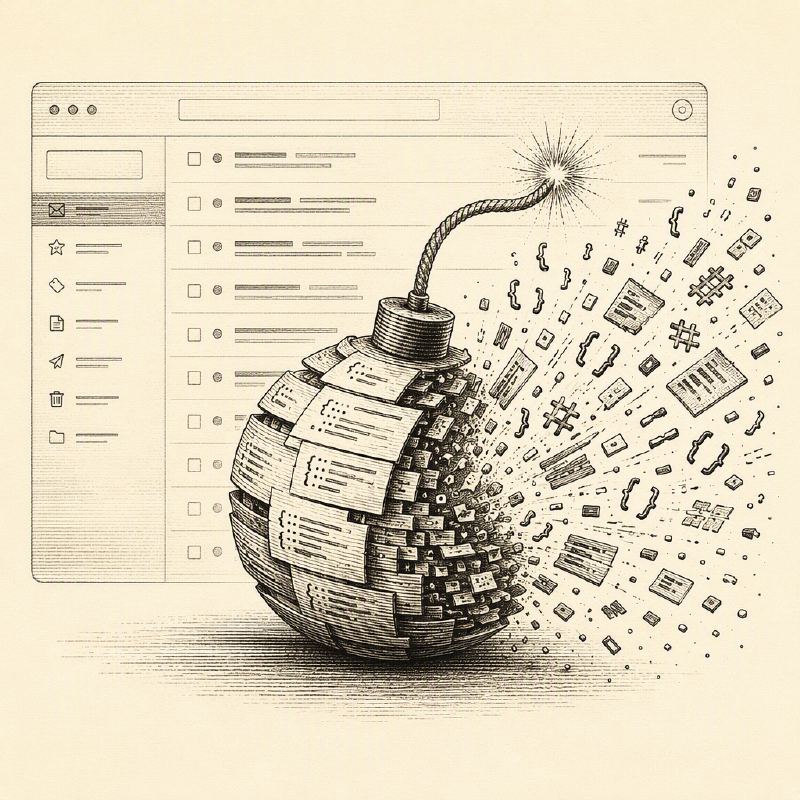
Researchers have discovered a novel attack vector using CSS to execute arbitrary code within webmail clients by exploiting sanitization flaws, bypassing traditional security measures.
WordPress 7.0.3 has been released with fixes for numerous security flaws, including pre-authentication XSS, privilege escalation, and SSRF, urging immediate updates for all users.
The SilverFox malware campaign has been observed targeting an industrial manufacturer, employing sophisticated techniques like DLL sideloading and vulnerable kernel drivers to disable security tools and deploy ValleyRAT.
A newly disclosed Linux kernel vulnerability, CVE-2026-64561, permits attackers with kernel privileges within a guest VM to escape KVM isolation and execute code on the host system.
The Business Hall at Black Hat USA 2026 featured a diverse range of cybersecurity vendors and a keynote on AI security, highlighting emerging threats and defense strategies.
HealthEquity's Ajit Gaddam highlights passkeys and biometrics as crucial tools to combat account takeover fraud by replacing vulnerable passwords.
Check Point Research presented two significant findings at Black Hat: a decade-old Windows Defender kernel driver that can be weaponized, and 12 CVEs in AI agent frameworks exploitable via familiar vulnerabilities.
North Carolina Ports experienced a cyberattack that compromised IT systems, leading to a switch to manual operations and prompting an investigation by state officials and the Coast Guard.
Cisco has released critical security updates for its Catalyst SD-WAN and IOS XE Software, addressing 12 vulnerabilities, three of which carry a near-perfect CVSS score of 9.9.
CISA has issued an advisory for a critical vulnerability in Medixant RadiAnt DICOM software that could allow remote code execution if users open a specially crafted DICOM file.
A new Python-based information-stealing malware, Vanta Stealer, is rapidly exfiltrating browser credentials, crypto wallet files, gaming account data, and sensitive documents from Windows users.
GitHub's Dependabot now flags malware across eight package ecosystems, leveraging OpenSSF's shared data to enhance supply chain security.