
Cyberattack Disrupts North Carolina Ports, Forcing Manual Operations
North Carolina Ports experienced a cyberattack that compromised IT systems, leading to a switch to manual operations and prompting an investigation by state officials and the Coast Guard.
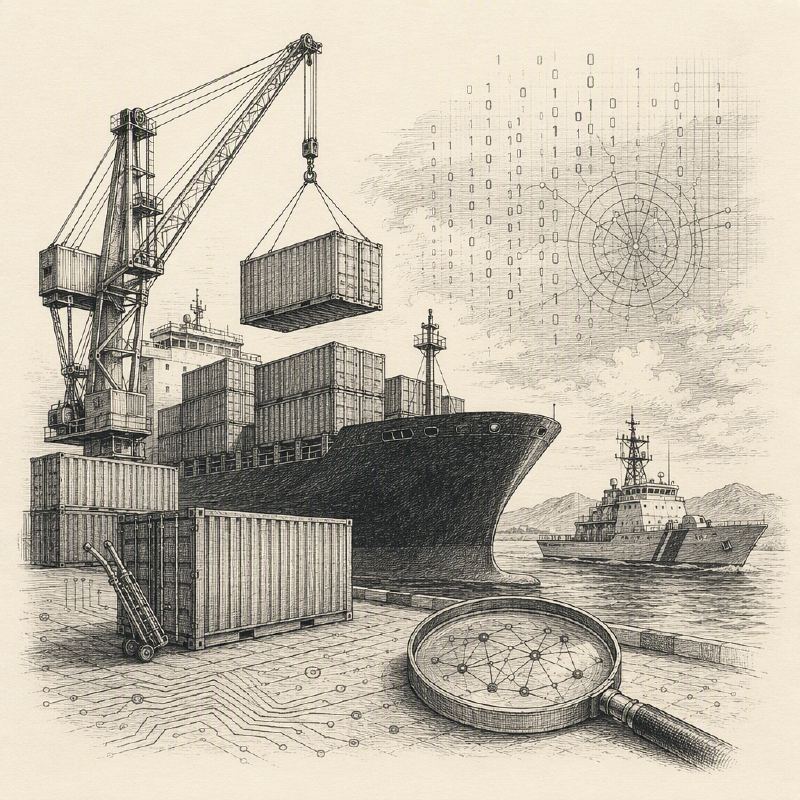
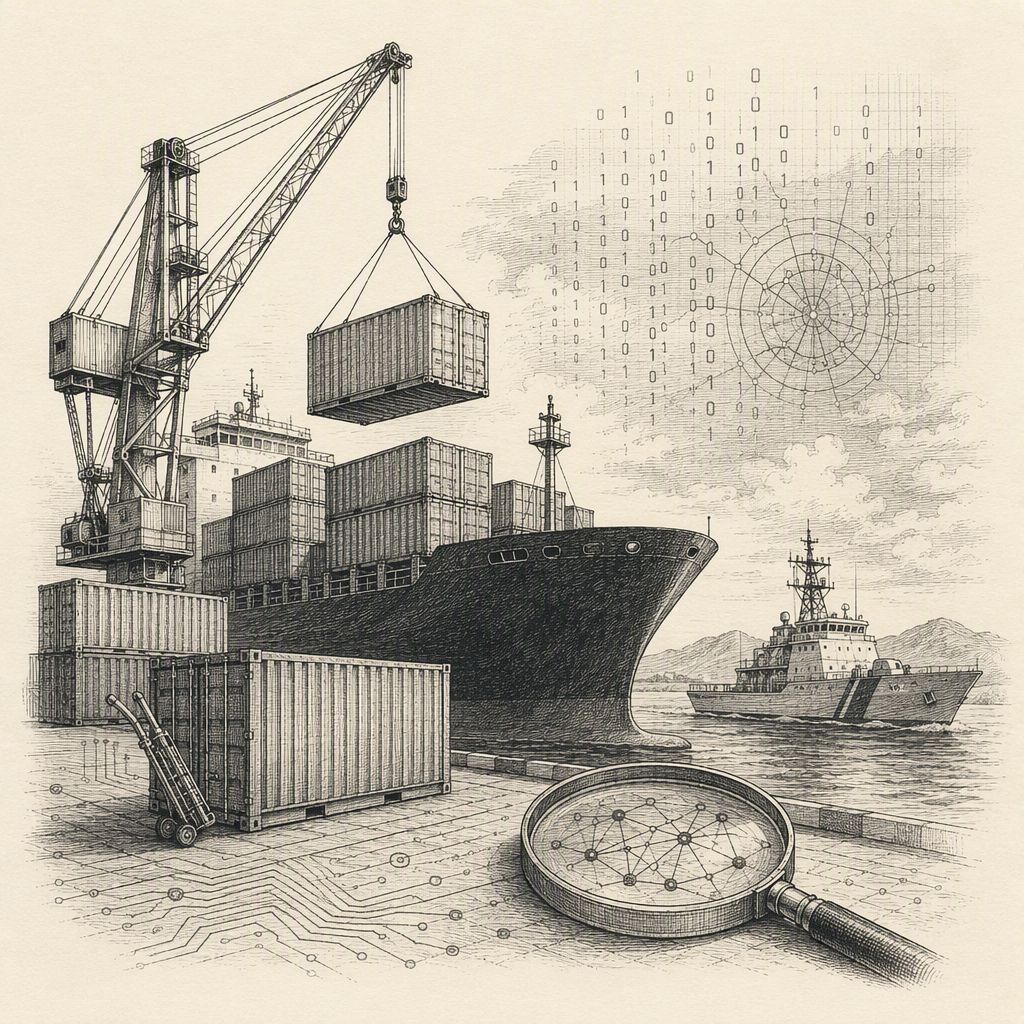
North Carolina Ports is currently navigating the aftermath of a significant cybersecurity incident that disrupted its information technology systems, forcing a transition to manual operations across all three of its facilities. The attack, attributed to an "outside actor or group," necessitated the activation of contingency plans and immediate engagement with state agencies and the U.S. Coast Guard.
According to a spokesperson for the ports, which collectively handle over four million tons of cargo annually, the breach has been contained, and the organization is now focused on recovery. The incident impacted operations at the ports of Wilmington, Morehead City, and Charlotte. While the ports are adhering to their normal operating schedule, all cargo processing is being conducted manually.
An external forensics team has been brought in to collaborate with the internal IT department to assess the extent of the damage and expedite the restoration of affected systems. The nature of the attack, specifically whether it involved ransomware, remains unconfirmed by port officials.
Notices posted at port gates and on the North Carolina Ports website have alerted companies to expected delays due to the ongoing system issues. While gates are expected to operate normally on Thursday, the manual processing of operations will likely lead to extended wait times.
No cybercriminal group has publicly claimed responsibility for the attack. This incident underscores a broader trend of ports globally becoming targets for cyberattacks, particularly ransomware gangs, as they increasingly integrate digital operations. In 2024, the Port of Seattle faced similar disruptions that affected its airport and seaport.
The attack also comes amid heightened awareness of the vulnerabilities in critical infrastructure. Senator Tom Cotton recently penned a letter to Treasury Secretary Scott Bessent, urging increased investment in modernizing American operational technology, citing its susceptibility to cyber threats from adversaries.
"Attacks on civilian infrastructure have become a routine instrument of modern warfare, and American operational technology is a target," Cotton stated, emphasizing the need to bolster defenses for vital systems like water, power, and industrial plants.
The investigation into the North Carolina Ports cyberattack is ongoing, with authorities working to determine the full scope of the compromise and identify the perpetrators.
The cyberattack that disrupted North Carolina Ports on August 4th has been confirmed to have affected the Port of Wilmington, Port of Morehead City, and Charlotte Inland Port. While operations resumed with delays the following day after IT teams enacted a contingency plan, it remains unclear if any sensitive data was exfiltrated during the incident.
The U.S. Coast Guard has confirmed it is monitoring the cyberattack's aftermath, coordinating with partner agencies as an investigation into the breach continues. While the North Carolina State Ports Authority has restored normal operations, the nature of the attack and the specific systems affected remain undisclosed.