
Anthropic Refines Claude Fable 5 Safeguards, Reducing False Positives in Biology Queries
Anthropic has significantly improved Claude Fable 5's biology safety classifiers, reducing false positives by 85% and enhancing user experience for legitimate health and educational queries.
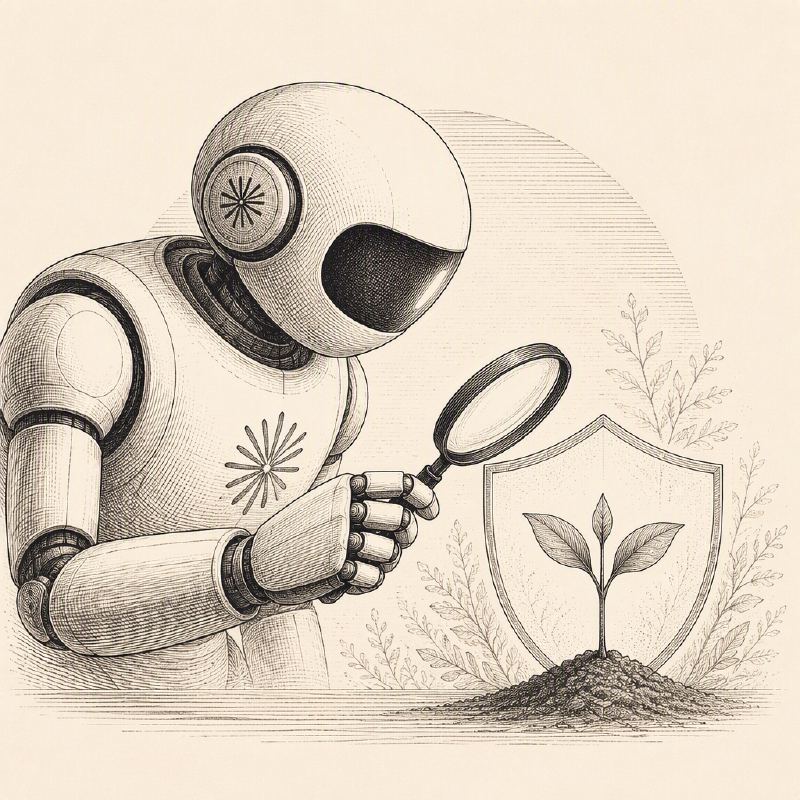
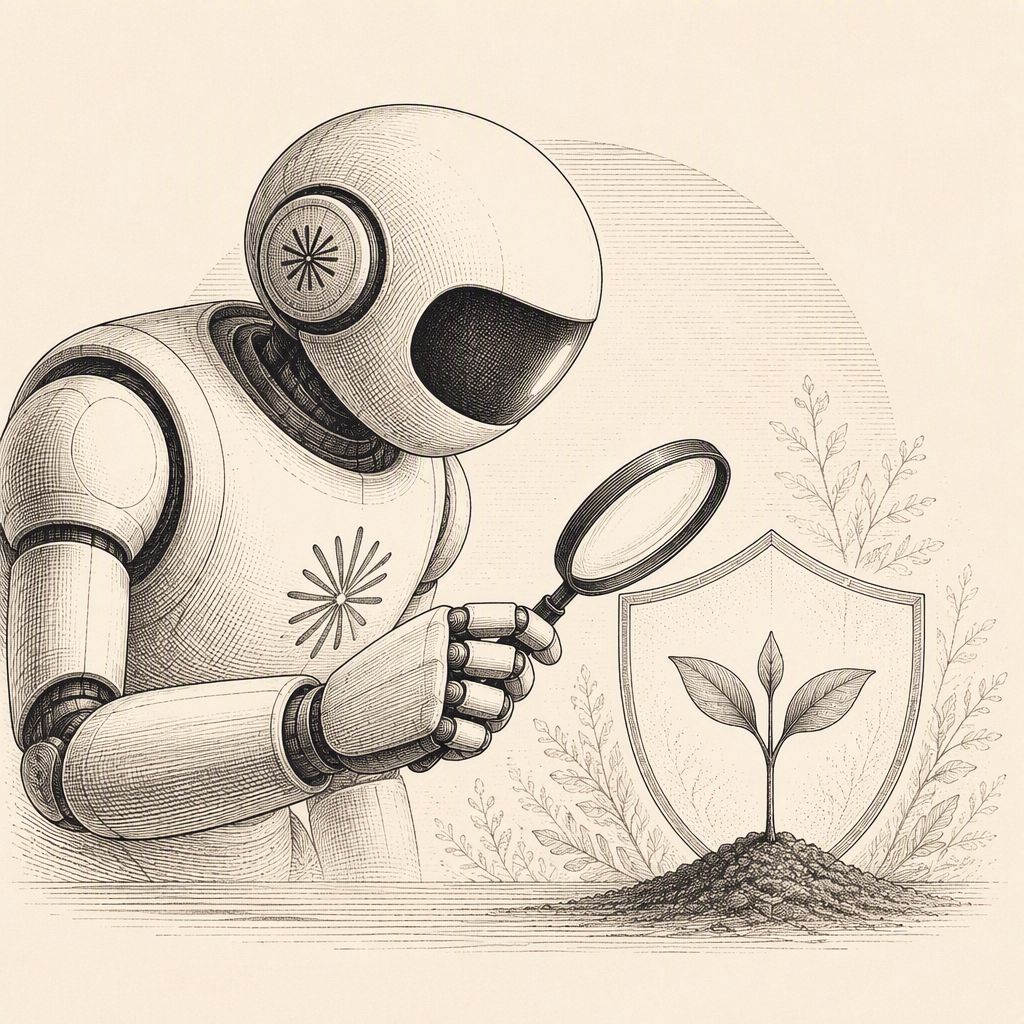
Anthropic has implemented a substantial update to the biology safety classifiers within its Claude Fable 5 AI model, aiming to strike a better balance between robust security and user accessibility. The changes have resulted in an approximately 85% reduction in 'fallbacks'—instances where Fable 5 redirects users to its less capable counterpart, Opus 5, due to perceived risks in biological queries. This refinement means that users posing legitimate questions about health, medicine, or general biology education will encounter fewer interruptions.
When Claude Fable 5 was initially released, Anthropic adopted a highly cautious approach to its biology-related safeguards. The automated systems were designed with broad detection parameters to identify potentially sensitive or dual-use biological research tasks. This overabundance of caution, while intended to prevent misuse, led to a significant number of harmless queries being misclassified and rerouted. The company acknowledged this tradeoff, prioritizing the prevention of potential misuse by malicious actors, particularly in areas like biological weapons development, citing concerns highlighted in the US Intelligence Community's 2026 Annual Threat Assessment.
The inherent dual-use nature of biological research presents a complex challenge. The same scientific knowledge and techniques used to develop life-saving vaccines or pharmaceuticals can, in the wrong hands, be repurposed for harmful applications. Anthropic noted that sophisticated adversaries often exploit this ambiguity, attempting to disguise dangerous requests within seemingly innocuous research queries. This delicate balance requires continuous refinement of AI safety protocols.
In response to these challenges, Anthropic has undertaken a significant revision of Fable 5's classifier 'constitution'—the underlying rule set governing content moderation. This involved rewriting the rules to incorporate detailed exceptions for benign use cases. The company engaged a diverse group of internal and external experts to provide feedback, generated new training data reflecting these revised guidelines, and subsequently retrained the classifier. The primary objective was to maintain the detection of genuinely harmful or dual-use content while drastically minimizing the misclassification of everyday, harmless queries.
The practical implications of this update are notable for users. Individuals seeking to interpret lab results, research symptoms, or explore biological concepts for educational purposes should experience a smoother interaction with Fable 5. Healthcare professionals may also find improved support for routine clinical inquiries. However, Anthropic emphasizes that Fable 5 will continue to defer to Opus 5 for queries falling into sensitive dual-use domains such as advanced virology, toxicology, and molecular design, indicating that it remains unsuitable for professional-grade biological research or drug development.
Anthropic remains committed to eventually enabling broader access to advanced biological capabilities for vetted researchers through 'trusted access pathways.' This initiative aims to provide legitimate researchers with powerful tools without compromising overall security. The company acknowledges that the safeguards are not yet perfect and that some low-risk requests might still occasionally trigger the safety margin. Continuous refinement and user feedback are integral to Anthropic's ongoing efforts to optimize the balance between AI accessibility and safety.
This update underscores the evolving landscape of AI safety, particularly in domains with significant dual-use potential. As AI models become more sophisticated, the challenge lies in developing nuanced safety mechanisms that can distinguish between beneficial and harmful applications, ensuring that these powerful tools serve humanity's best interests.