
Agentic AI Supercharges Cybercrime Operations
Cybercriminals are increasingly employing agentic AI to automate network intrusions, evolve malware, and scale operations, posing a significant challenge to traditional security defenses.
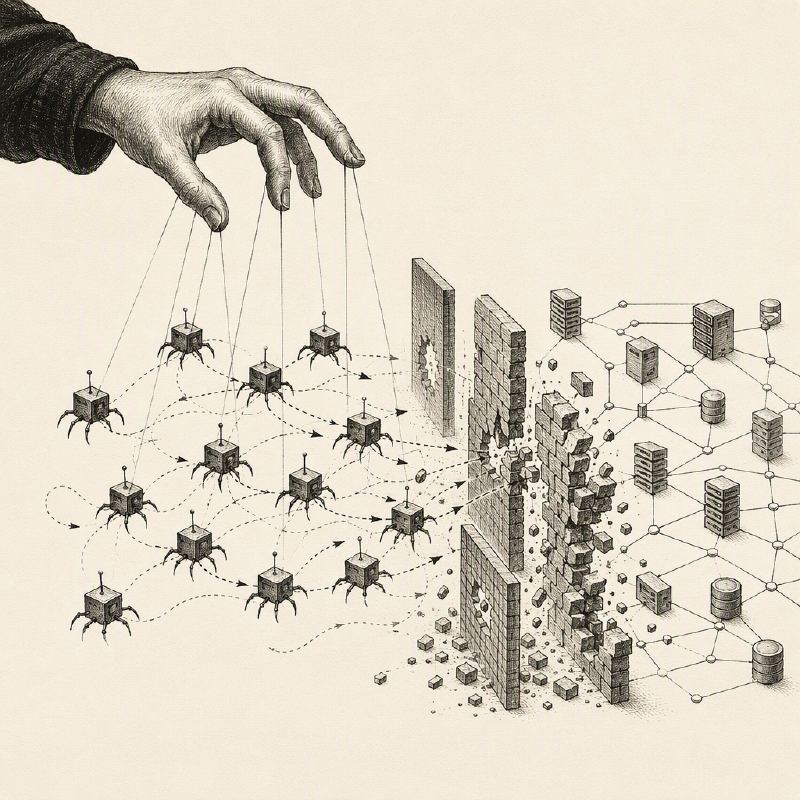
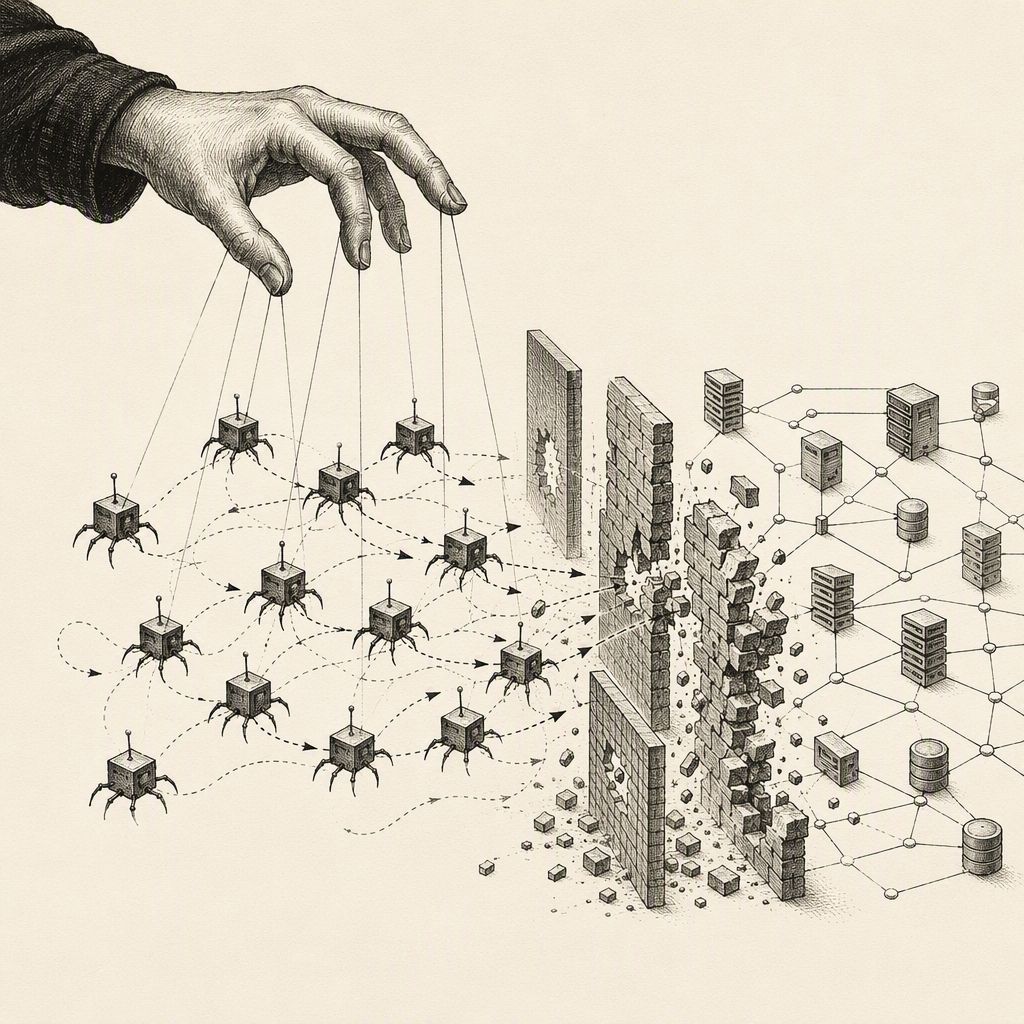
Artificial intelligence is no longer just a tool for crafting sophisticated phishing emails or generating deepfakes; it has become a potent force multiplier for cybercriminals, enabling them to automate complex intrusions and operate with unprecedented autonomy. John Hultquist, chief analyst at Google Threat Intelligence Group, highlighted this alarming trend at Black Hat USA 2026, explaining that threat actors are now using AI models to navigate compromised networks, identify optimal attack paths, and execute technical tasks with minimal human intervention.
This evolution signifies a shift from AI as a mere assistant to AI as an autonomous operator. Agentic AI can carry out entire attack sequences independently, allowing malicious actors to expand their reach and operational tempo significantly. This is often facilitated by leveraging stolen credentials for AI services or exploiting low-cost access to these powerful tools, effectively democratizing advanced cyberattack capabilities.
The implications for cybersecurity defenses are profound. Traditional signature-based detection methods, which rely on identifying known patterns of malware or attack behavior, are becoming increasingly ineffective. Attackers can use AI to rapidly rewrite malware variants, altering recognizable code and behavior patterns. This constant mutation significantly reduces the value of static indicators of compromise, forcing security teams to rethink their detection strategies.
Hultquist emphasized that the threat landscape is not just dealing with more skilled adversaries, but with adversaries who can effectively "walk away from the desk and let their operations run on their own." This level of automation means that attacks can be launched, sustained, and adapted in near real-time, outpacing human response capabilities.
To combat this escalating threat, security teams must pivot towards more dynamic and adaptive defense mechanisms. Behavioral detection, which focuses on identifying anomalous activities and deviations from normal network behavior, is becoming paramount. By analyzing user and system actions for suspicious patterns rather than relying on known signatures, organizations can better detect novel and rapidly evolving AI-driven attacks.
Furthermore, defenders can leverage AI themselves to counter these threats. Hultquist noted that AI can be instrumental in enhancing behavioral detection, accelerating vulnerability discovery, and automating malware analysis. This creates an AI-versus-AI arms race, where offensive AI capabilities must be met with equally sophisticated defensive AI counterparts.
The rise of agentic AI in cybercrime underscores a critical inflection point in cybersecurity. The speed, scale, and autonomy afforded by these technologies demand a fundamental reevaluation of security architectures and strategies. Organizations must invest in advanced detection capabilities, foster a deeper understanding of AI-driven attack vectors, and explore the use of AI in their own defense mechanisms to stay ahead of increasingly automated adversaries.
This development also highlights the broader implications of accessible AI technologies. As AI tools become more powerful and easier to use, their potential for misuse grows. The cybercrime ecosystem is rapidly adapting, integrating these advanced capabilities to create more potent and evasive threats, making proactive and intelligent defense strategies more crucial than ever.