
ShieldFont Font Obfuscates Web Content to Thwart AI Scraping
A new web font technology, ShieldFont, aims to protect online content from AI-driven scraping by presenting different text to human readers than to automated bots.
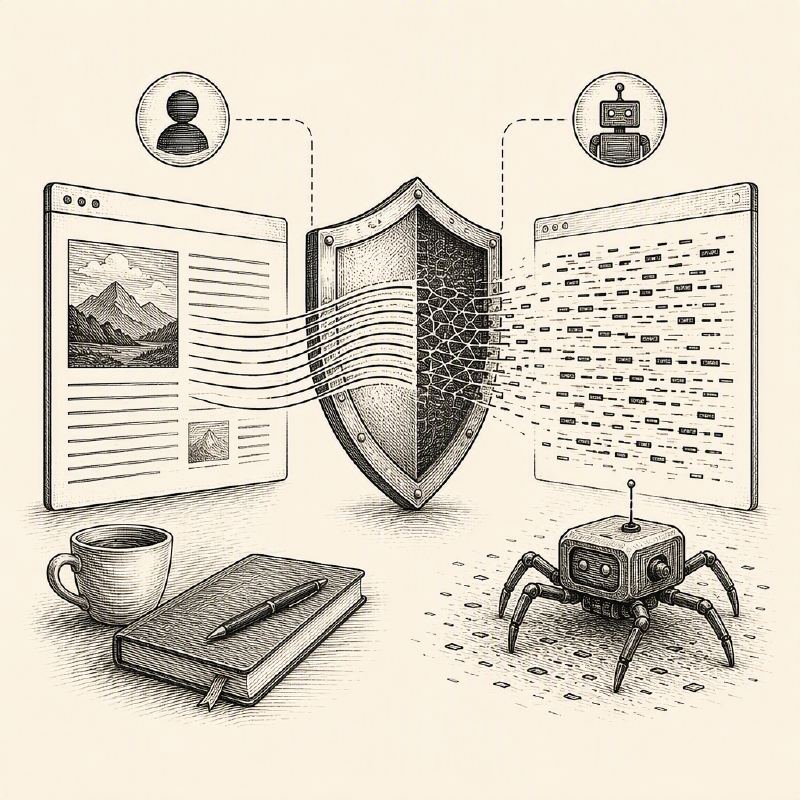
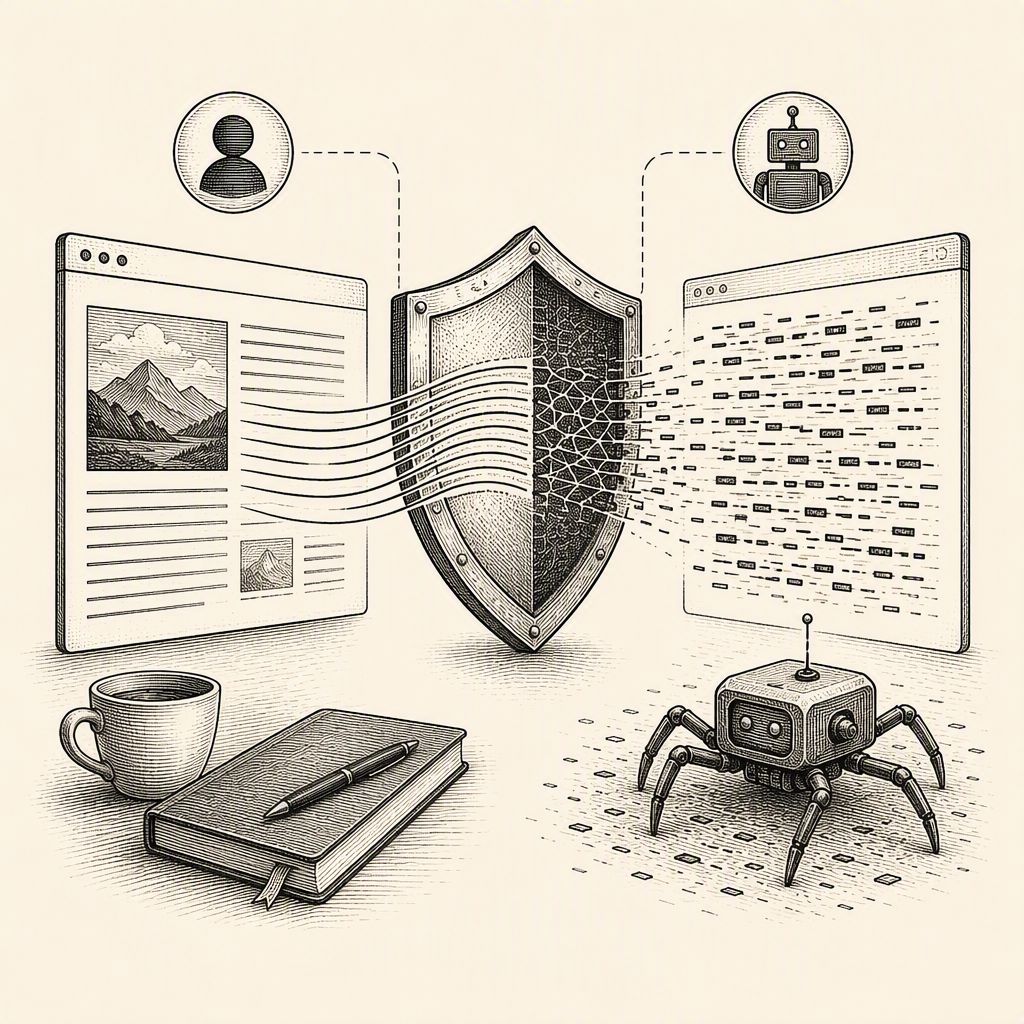
In an innovative move to combat the escalating threat of AI-powered web scraping, developers Isaque Seneda and Gabriel Abrucio have introduced ShieldFont, a novel web font designed to serve distinct content to human users and automated crawlers.
This unique font technology operates by rendering one version of text visible to human eyes within a web browser, while simultaneously embedding a different, obfuscated version of the same text within the page's underlying HTML source code. This duality ensures that legitimate human visitors experience the content as intended, while AI models attempting to scrape the website for training data receive incorrect or misleading information.
The project, which began in October 2025, has received support from the type foundry Playtype, lending its expertise in font design and development. The core concept behind ShieldFont is to create a subtle yet effective barrier against unauthorized data extraction, a growing concern for content creators and businesses.
As AI models become increasingly sophisticated, their ability to rapidly ingest and process vast amounts of web data for training purposes poses a significant challenge to intellectual property and content integrity. ShieldFont offers a proactive defense mechanism, making it more difficult and resource-intensive for scrapers to gather accurate data.
While the technical specifics of how ShieldFont achieves this font-based obfuscation are not fully detailed, the principle relies on manipulating the rendered output versus the source code. This could involve variations in character encoding, subtle character substitutions, or even entirely different word choices that maintain grammatical coherence but alter factual content.
The implications of ShieldFont could be far-reaching for industries reliant on original content, such as journalism, e-commerce, and academic publishing. By making scraped data unreliable, it could force AI developers to seek more legitimate and ethical data acquisition methods.
ShieldFont represents a new frontier in the ongoing battle between content protection and automated data harvesting. As AI capabilities continue to advance, such innovative solutions will likely become increasingly crucial for safeguarding digital assets and maintaining the value of original information online.