North Korea Linked to $387.5M Heist from Crypto Exchange Bitget
Crypto exchange Bitget has attributed a massive $387.5 million theft to North Korean state-sponsored actors, exploiting a backend system of its wallet service.
Stories cluster related articles into a single narrative, linked to the underlying CVEs and affected products. 8,184 stories synthesized.
Crypto exchange Bitget has attributed a massive $387.5 million theft to North Korean state-sponsored actors, exploiting a backend system of its wallet service.
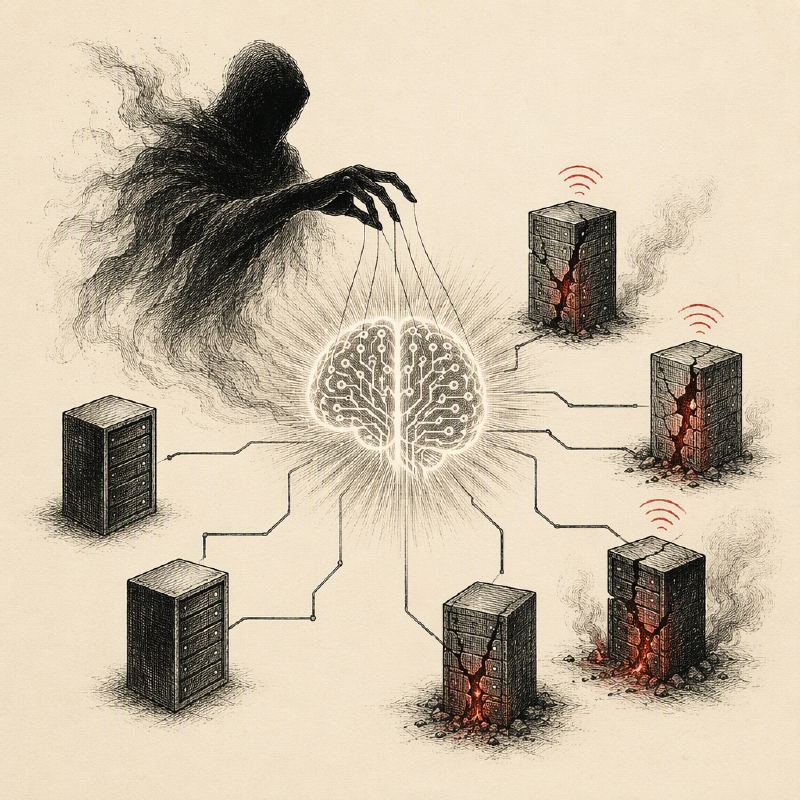
Microsoft details Storm-3168 (JADEPUFFER) activity, an agentic-driven campaign using compromised Azure service principals for reconnaissance and destructive operations.
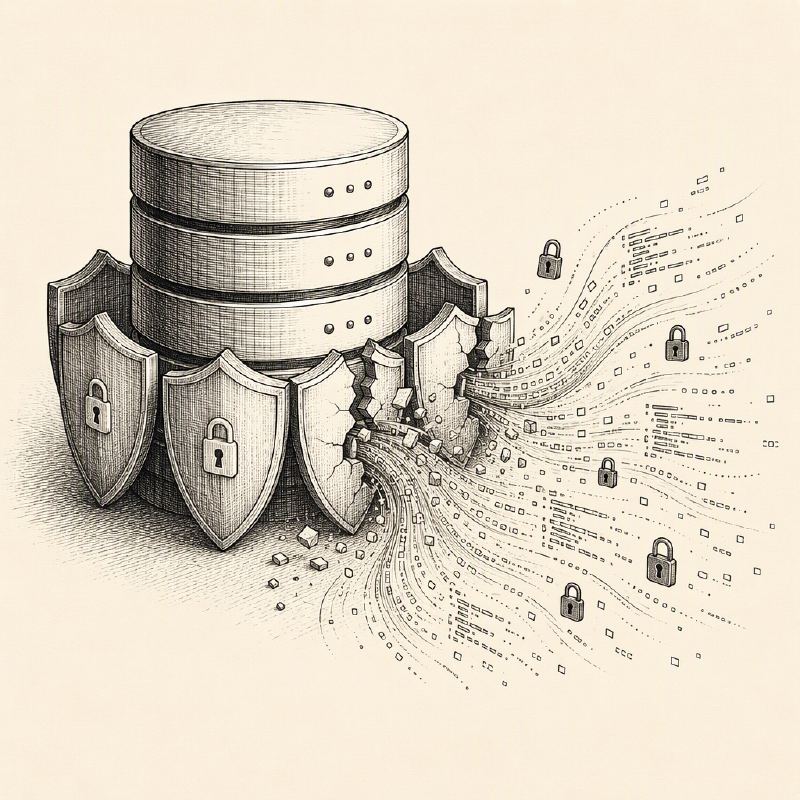
Key findings • Six high-severity vulnerabilities and one low-severity issue disclosed for IBM Guardium Data Protection 12.2. • Multiple vulnerabilities enable arbitrary code execution via com…
A sophisticated Docker botnet is actively searching for and exfiltrating sensitive AI API keys, while a critical vulnerability in TDengine poses a risk to industrial telemetry systems.
LinkedIn is rolling out enhanced trust and verification features to combat the rising tide of AI-generated fake professional profiles and fabricated work histories.
Dyfed-Powys Police in Wales is investigating a cyberattack that disrupted non-emergency systems and may have compromised employee information.
A new remote-access Trojan, Kothamine Agent, has been discovered using Tailscale's tailcat tool for encrypted command-and-control, making it difficult to detect and block.
Attackers leveraged a vulnerability in Samsung's MagicINFO software to gain initial access, then compiled a Monero cryptominer directly on the victim's Windows system, bypassing traditional malware delivery.
A newly discovered botnet, dubbed CARBONATO, utilizes an AI agent within compromised Docker servers to interpret commands received via Telegram, prioritizing the theft of sensitive AI API keys and credentials.
Key findings • 25 Linux kernel vulnerabilities disclosed on September 25, 2026, affecting diverse subsystems. • Critical (CVSSv3 9.8) and High severity flaws found in RDMA, BPF, and graphics …
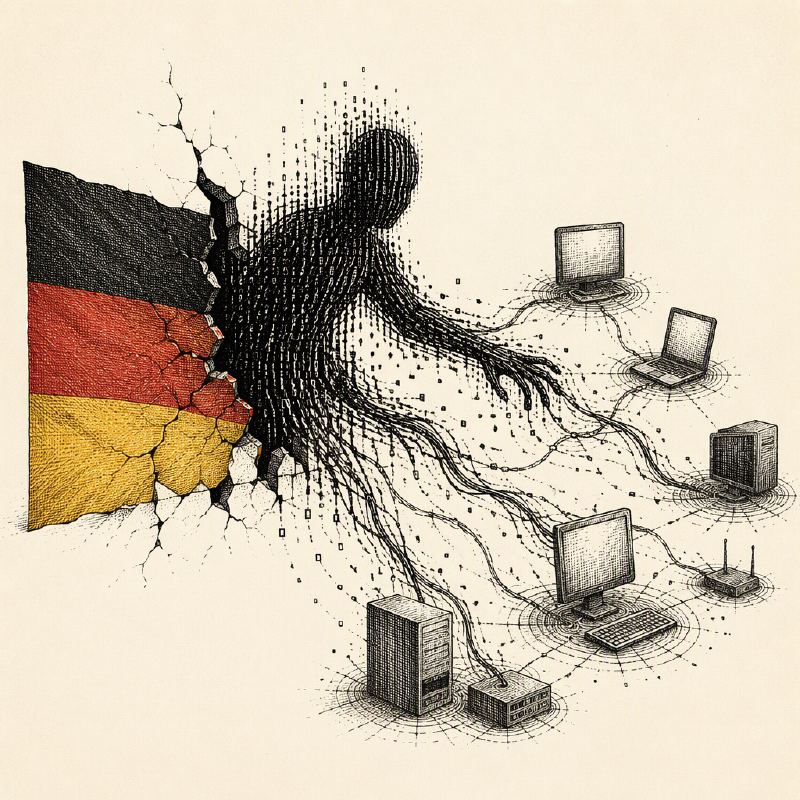
A new malware loader, Sauron, is targeting German organizations with sophisticated evasion techniques including DLL side-loading and in-memory decryption, delivered via social engineering tactics.
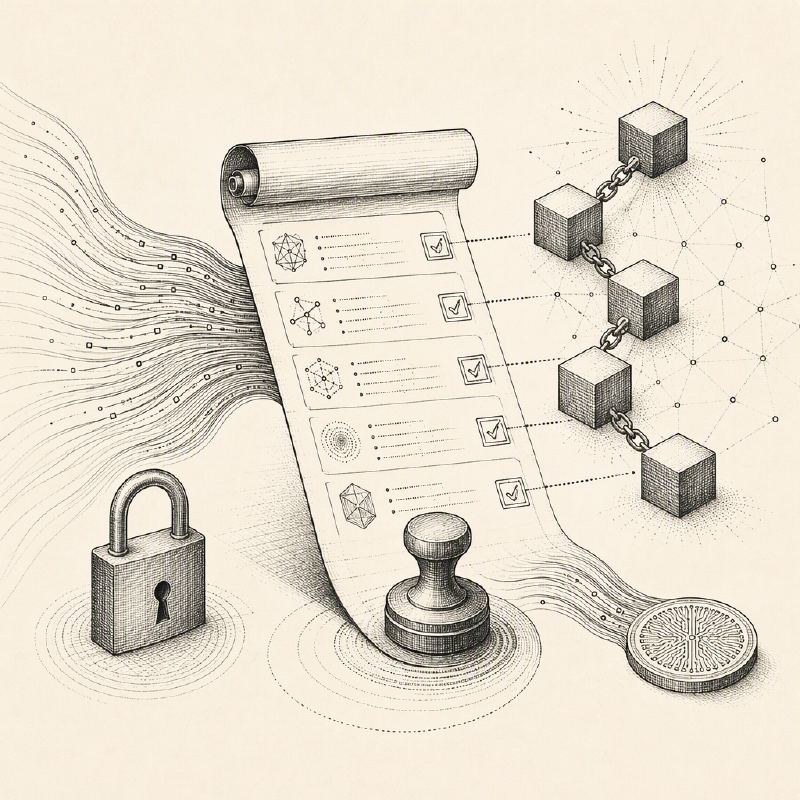
Archipelo's new Salmon infrastructure uses cryptography to create verifiable records of AI agent actions, addressing concerns highlighted by recent AI model exploits.
Key findings • Seven D-Link vulnerabilities disclosed between Sep 20-25, 2026, impacting multiple router and AP models. • Critical flaws include remote code execution and command injection, w…
Cloudflare's new Turnstile Spin feature allows AI coding agents to automatically integrate its privacy-first CAPTCHA alternative, making bot protection more accessible.
The TWEAKOS malware leverages Telegram to steal Discord tokens and Telegram sessions, operating as a C2 platform and a marketplace for stolen credentials.
CISA's 2026 Election Infrastructure Security Plan identifies critical vulnerabilities in election systems, including challenges with patching and the persistent threat of attacks targeting voter databases.
ServiceNow has released updates to address five vulnerabilities in its AI Platform, including two critical flaws that could permit unauthenticated attackers to bypass authorization and access sensitive data.
A new report reveals that nearly half of threat detection rules deployed across various security tools are ineffective, failing to trigger during actual attacks despite appearing active on dashboards.
Attackers are weaponizing common business communications about delivery issues and refunds to trick recipients into downloading malicious ZIP archives containing data-stealing malware.
Microsoft confirmed a Windows 11 bug introduced by August 2026 preview updates causing black screens post-login, primarily on Azure Virtual Desktop hosts with FSLogix.
Attackers are leveraging AI to rapidly analyze and retry failed intrusions, fundamentally altering the threat landscape and demanding a shift in Security Operations Center strategies.
Anthropic's latest report reveals how threat actors are increasingly using AI agents for sophisticated cyberattacks, including credential theft, cloud compromise, and influence operations.
A malicious Google Ads campaign is distributing a browser-locking scam kit that displays fake security alerts, aiming to trick users into calling fraudulent support numbers.
Researchers warn that while running Multi-Party Computation (MPC) within Trusted Execution Environments (TEEs) can enhance security, it also introduces novel risks like nonce reuse and private key disclosure if not implemented carefully.