
LinkedIn Deploys New Defenses Against AI-Generated Fake Profiles
LinkedIn is rolling out enhanced trust and verification features to combat the rising tide of AI-generated fake professional profiles and fabricated work histories.
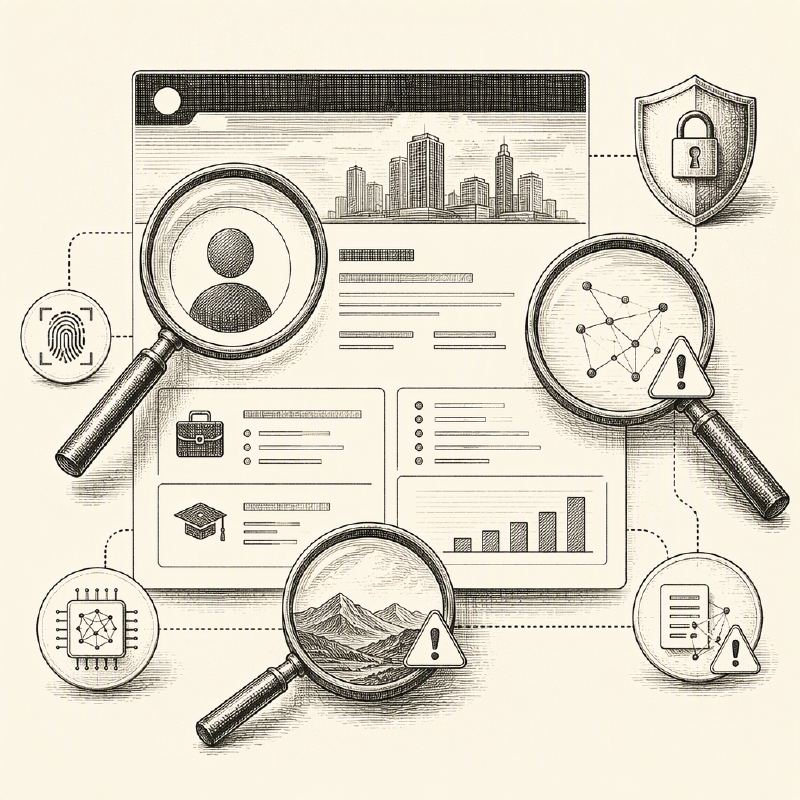
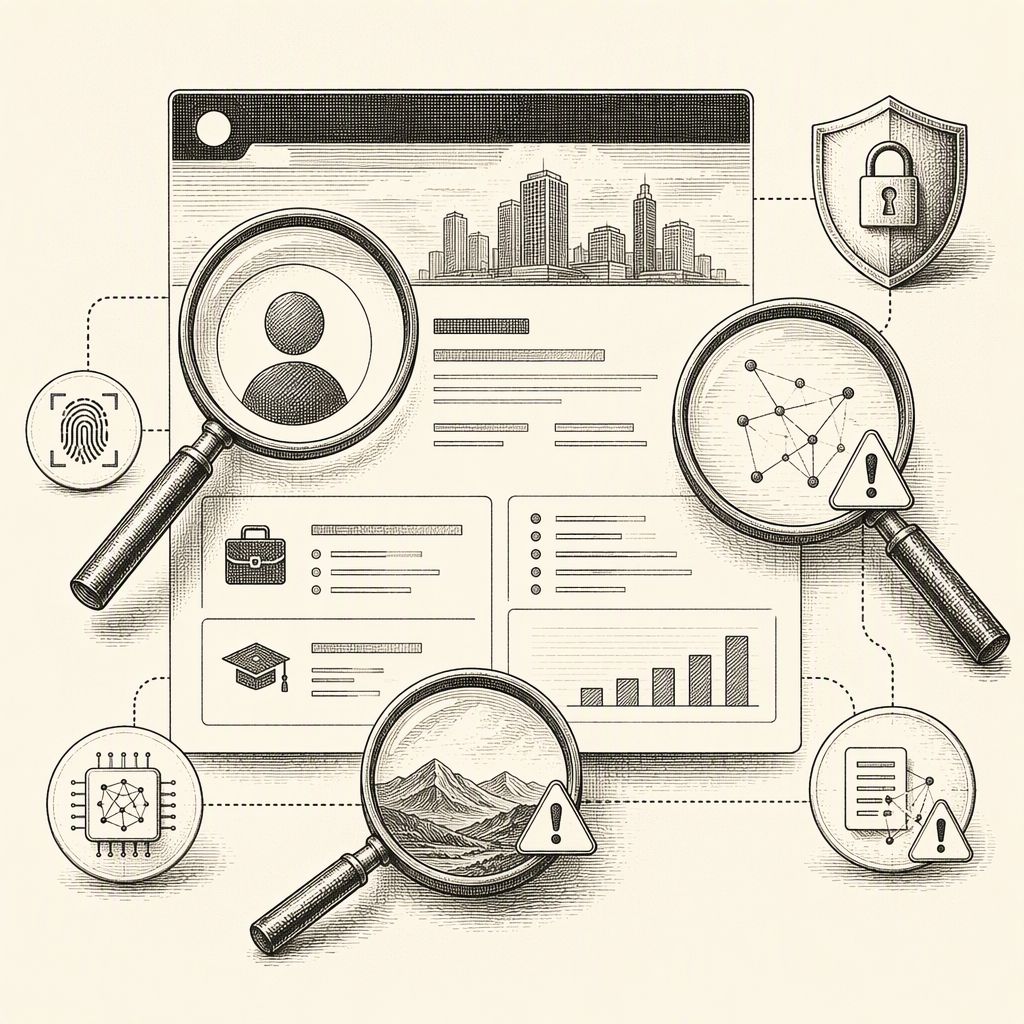
LinkedIn is implementing a suite of new trust and verification features designed to make it significantly harder for malicious actors to create convincing fake professional identities, invent work histories, and impersonate companies. This proactive measure addresses the growing concern that generative AI tools can now readily produce highly realistic headshots, biographies, résumés, outreach messages, and recommendations, lowering the barrier to entry for sophisticated social engineering and impersonation schemes.
The platform's updated approach leverages verified individuals and company Pages to corroborate user claims. One key feature allows colleagues and classmates to vouch for a user's stated affiliations, confirming that they worked or studied together during specific periods. While this confirms a connection, it does not serve as an endorsement of the individual's skills or performance.
Furthermore, administrators of verified company Pages will gain the ability to remove individuals who falsely claim to be employed by their organization from associated people lists and search results. Although this action does not delete the false claim from the individual's profile, it provides companies with a mechanism to police their digital representation on the platform.
In a testing phase, LinkedIn is exploring a workplace verification setting that would require users to confirm their employment, potentially through a work email address, before they can associate themselves with a company Page. This aims to add another layer of authenticated connection between individuals and their purported employers.
Beyond its own ecosystem, LinkedIn is expanding partnerships with third-party identity verification services, including Truecaller and PeerSpot, alongside existing collaborators like Adobe and UserTesting. These partnerships will enable users to display their LinkedIn-verified identity on other platforms, extending the reach of authenticated profiles.
LinkedIn believes that the combination of identity verification, workplace verification, peer corroboration, and company Page controls will collectively make fabricated profiles less persuasive to users. The platform reports that its existing verification tools have already authenticated 115 million members and over 700,000 companies.
However, the article cautions that these new checks are not foolproof against all types of scams. Scammers can still create convincing fake startup companies, build polished company pages, and use fraudulent job listings or recruiters to lure applicants. If the supposed employer itself is part of the scam, these verification signals may offer limited protection. Job seekers are still advised to remain vigilant, scrutinize unsolicited approaches, be wary of requests to move conversations off-platform or install software, and ensure a credible interview process precedes any job offer.
Ultimately, while LinkedIn's enhanced verification measures aim to raise the cost and difficulty for malicious actors, they cannot entirely replace user skepticism. The evolving threat landscape, amplified by AI, means that even verified signals could potentially be manipulated. Users must continue to exercise caution and verify information independently, as scammers often rely on a single click or a moment of misplaced trust.