
Storm-3168 Campaign Leverages Compromised Service Principals for Destructive Azure Attacks
Microsoft details Storm-3168 (JADEPUFFER) activity, an agentic-driven campaign using compromised Azure service principals for reconnaissance and destructive operations.
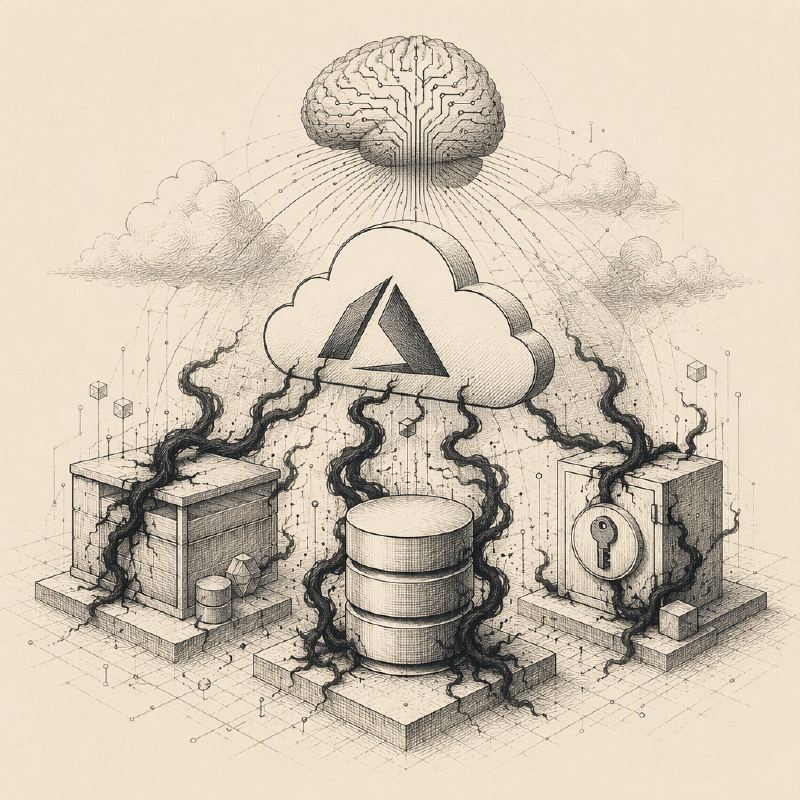
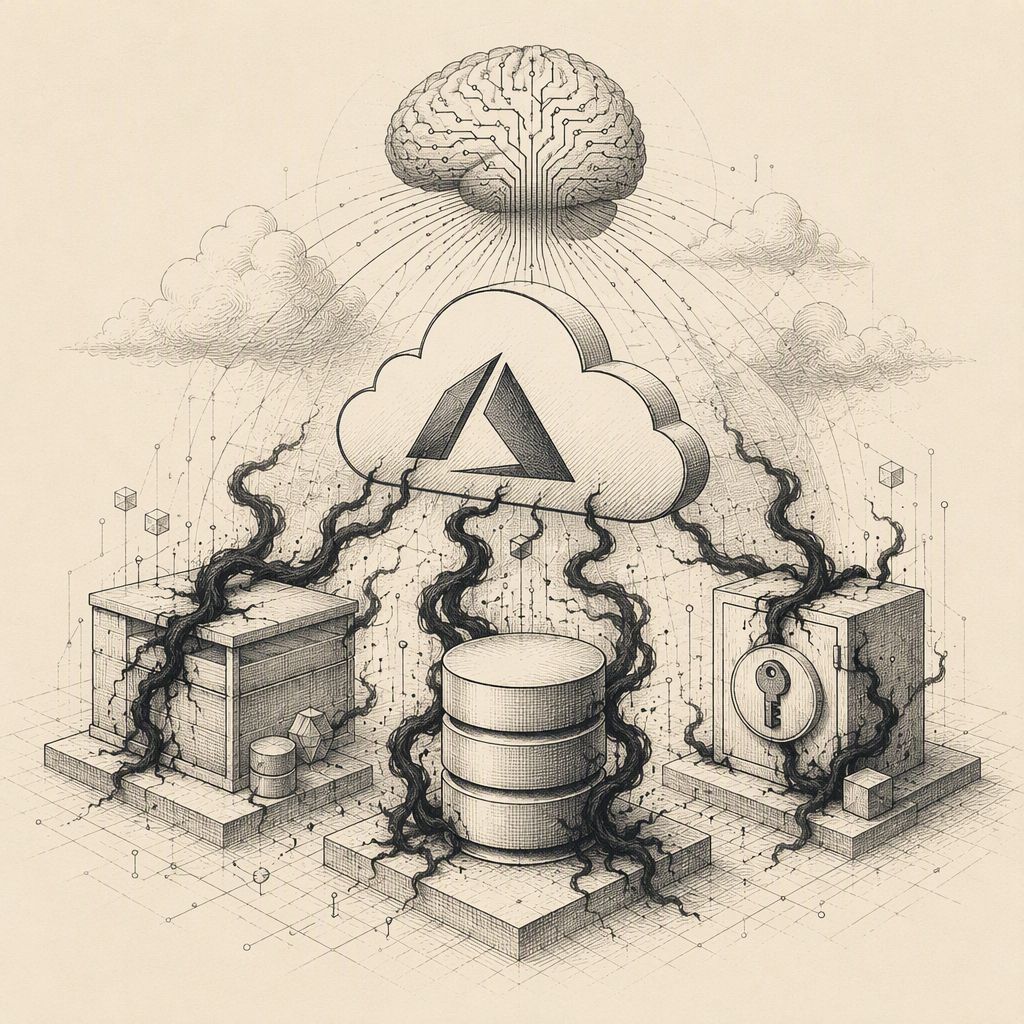
Microsoft Security Research has uncovered extensive malicious activity within Azure environments attributed to a threat actor tracked as Storm-3168, also known as JADEPUFFER. This campaign represents a significant evolution in cloud-focused attacks, demonstrating the use of compromised service principals to conduct reconnaissance, destructive operations, and credential collection. The findings provide the first detailed view into JADEPUFFER's Azure operations, expanding upon earlier reports of its agentic ransomware capabilities.
The observed attack involved two compromised service principals within the same Azure tenant. One principal was used for initial reconnaissance, enumerating a wide range of Azure resources including virtual machines, subscriptions, and resource groups over a period of approximately 15 hours. Shortly after, a second service principal began its own discovery phase, quickly scanning virtual machines and resource groups across multiple subscriptions. This broad enumeration provided the threat actor with comprehensive visibility into the victim's cloud infrastructure.
Following the discovery phase, the second service principal initiated a rapid sequence of destructive operations. In a span of just seven minutes, it attempted over 100 deletions of Azure Storage Accounts, with most being successful. The attack also targeted and deleted an Azure Key Vault, a Function App, and an App Service plan. While attempts to delete Azure SQL databases failed due to an unsupported API version, the campaign highlighted the effectiveness of resource locks and storage account-level deletion protection in mitigating some of the damage.
Beyond destruction, the threat actor also engaged in credential collection. Approximately 30 minutes after the destructive activities concluded, the compromised service principal made multiple requests to retrieve access keys for various Azure Storage Accounts, including those associated with Azure Site Recovery. This suggests a potential intent to gain further access or facilitate future exfiltration.
Microsoft noted that the initial compromise of the service principal may have stemmed from credential exposure. The service principal's client ID, client secret, and tenant ID were previously exposed in plaintext within a public GitHub issue. Although the secret was later redacted, its presence in the edit history meant it remained accessible, underscoring the critical need to treat any publicly exposed credentials as compromised and to revoke or rotate them promptly.
This campaign underscores a growing trend towards AI-orchestrated attacks, where threat actors can coordinate complex, large-scale operations across cloud environments with increased speed and efficiency. The use of agentic capabilities allows for more autonomous and sophisticated post-compromise activities.
To mitigate such threats, organizations are advised to prioritize the protection of workload identities and secrets, enforce the principle of least privilege, safeguard recovery resources, and enable relevant Microsoft Defender for Cloud protections. Defenders must also adapt by leveraging AI-assisted tools to investigate and respond to threats across increasingly complex cloud infrastructures, mirroring the evolving tactics of threat actors.