
Docker Botnet Scans for AI API Keys, TDengine Flaw Threatens Industrial Systems
A sophisticated Docker botnet is actively searching for and exfiltrating sensitive AI API keys, while a critical vulnerability in TDengine poses a risk to industrial telemetry systems.
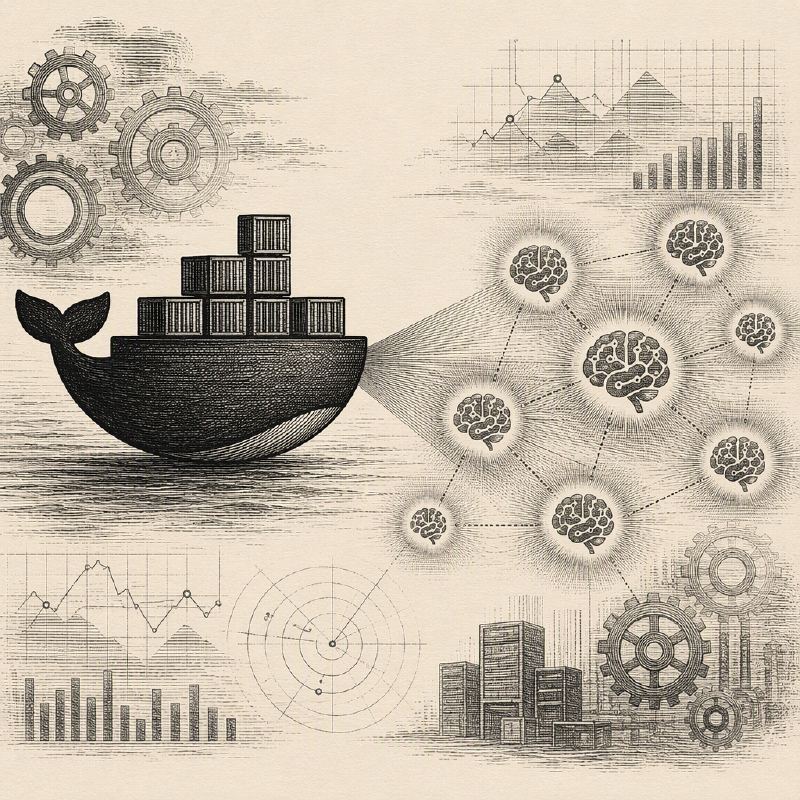
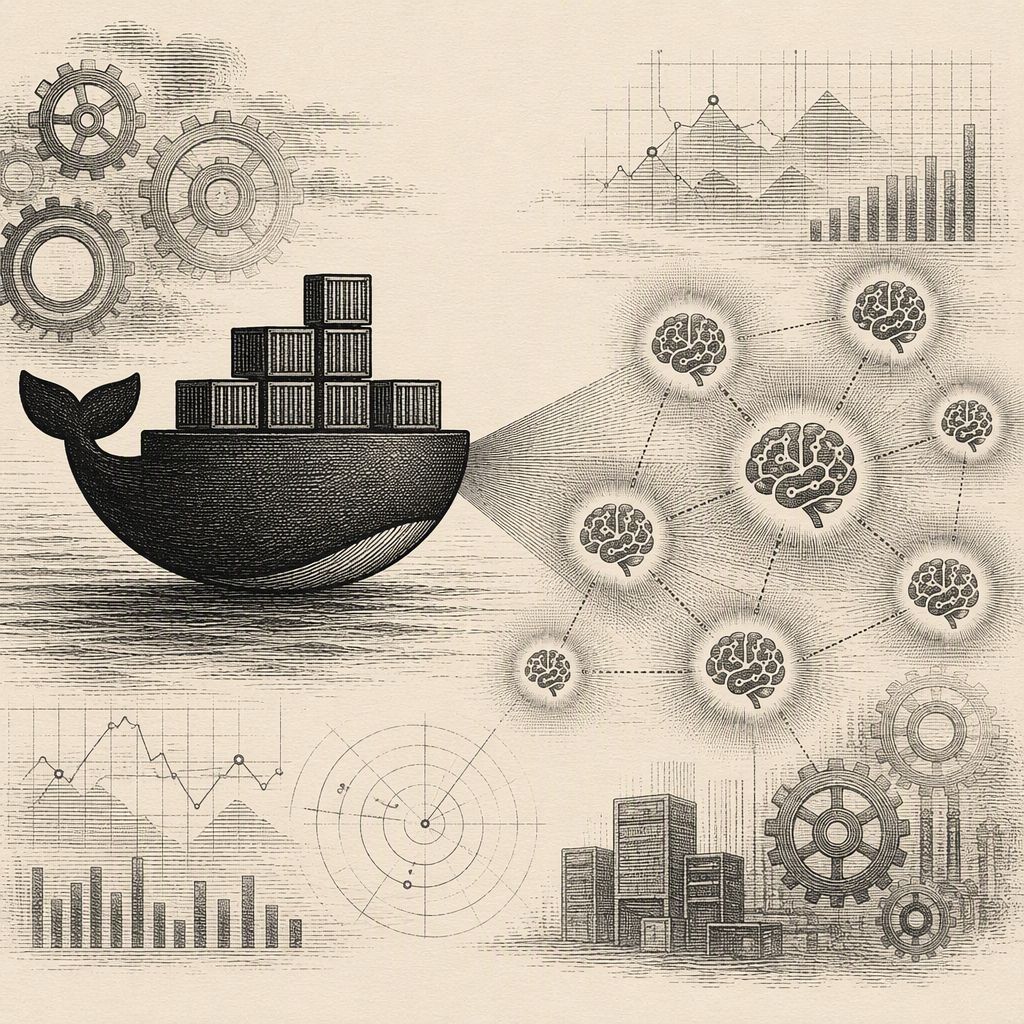
A newly identified Docker botnet is actively scanning compromised environments for and exfiltrating valuable API keys associated with artificial intelligence services. This emerging threat highlights the growing focus of cybercriminals on the burgeoning AI ecosystem, seeking to exploit access to powerful AI models and platforms for malicious purposes.
The botnet's primary objective appears to be the acquisition of credentials that grant access to AI services, which could then be leveraged for various illicit activities, including unauthorized model training, data theft, or even the creation of more sophisticated AI-powered attack tools. The discovery underscores the need for enhanced security measures around the management and protection of API keys, especially those linked to high-value AI infrastructure.
In parallel, a significant vulnerability has been identified within TDengine, an open-source time-series database widely used in industrial telemetry and IoT applications. This flaw could potentially disrupt the uptime and integrity of critical industrial control systems (ICS) and operational technology (OT) environments that rely on TDengine for data collection and monitoring.
The TDengine vulnerability poses a direct threat to sectors such as manufacturing, energy, and utilities, where reliable data streams are essential for operational efficiency and safety. Exploitation could lead to data loss, system outages, or even manipulation of telemetry data, with potentially severe consequences for industrial operations.
Adding to the landscape of emerging threats, a "BragJack" attack has been reported, specifically targeting browser-based AI assistants. This attack vector exploits vulnerabilities in how these assistants interact with web content, potentially leading to unauthorized access or manipulation of user interactions with AI tools.
These disparate incidents collectively paint a picture of an evolving threat landscape where cybercriminals are increasingly targeting nascent technologies like AI and critical infrastructure components like industrial telemetry systems. The rapid adoption of AI tools and the reliance on robust data collection in industrial settings create new attack surfaces that require proactive security attention.
Security researchers are urging organizations to bolster their defenses against these emerging threats. This includes implementing stringent access controls for AI API keys, regularly patching systems, and staying informed about vulnerabilities affecting industrial control systems and IoT devices. The interconnected nature of modern infrastructure means that a compromise in one area can have cascading effects across multiple systems.
The convergence of AI-focused threats and attacks on industrial systems signifies a critical juncture in cybersecurity. As AI becomes more integrated into business and industrial processes, the potential for sophisticated and impactful attacks grows, necessitating a vigilant and adaptive security posture from all organizations.