Google Chrome Sync Feature Abused by Cyberstalkers for Espionage
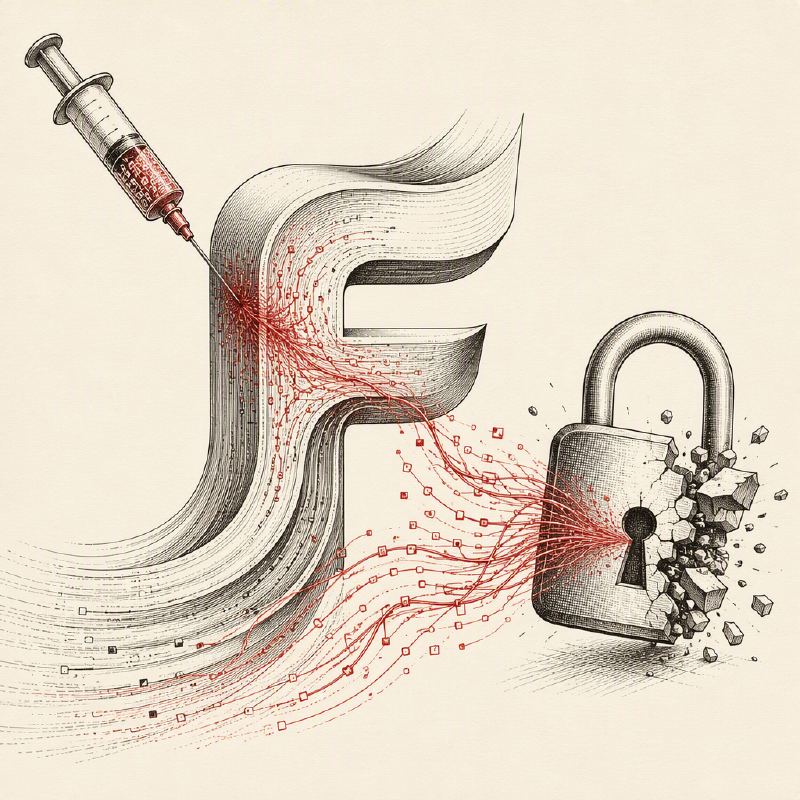
Cyberstalkers are exploiting Google Chrome's sync feature to gain unauthorized access to users' browsing history and stored passwords, researchers warn.
Stories cluster related articles into a single narrative, linked to the underlying CVEs and affected products. 3,702 stories synthesized.
Cyberstalkers are exploiting Google Chrome's sync feature to gain unauthorized access to users' browsing history and stored passwords, researchers warn.
Identity compromise, driven by phishing and compromised credentials, has surpassed vulnerability exploitation as the primary entry point for ransomware attacks, according to Sophos's latest research.
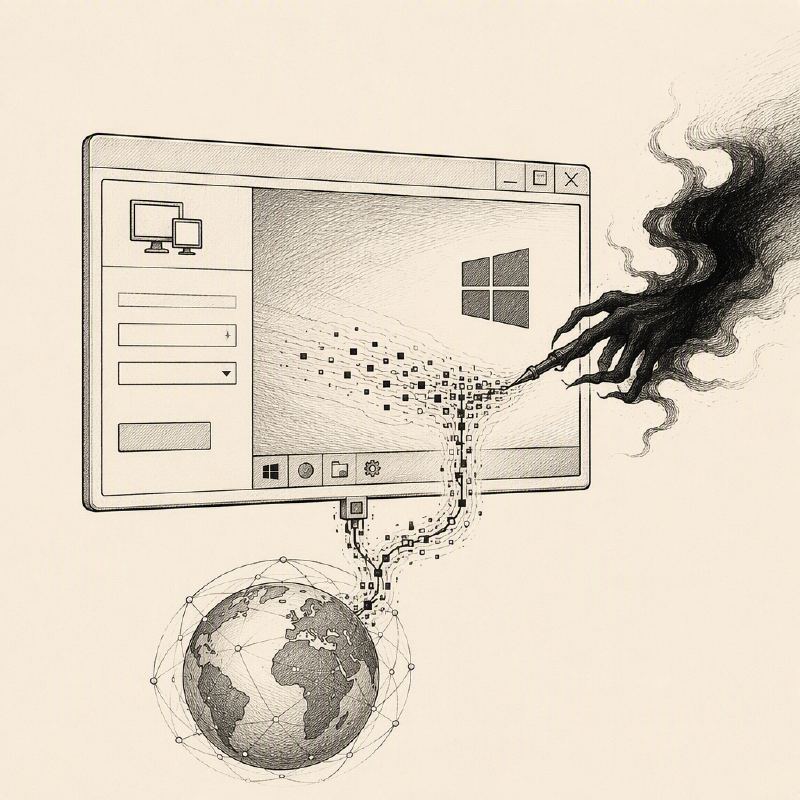
A critical vulnerability in Zoom's Windows desktop client and SDK (CVE-2026-53412) allows unauthenticated attackers to hijack user accounts.
A moderately critical cross-site scripting vulnerability has been identified in Drupal core's Layout Builder module, requiring specific user interaction for exploitation.
Drupal core versions 11.2.x, 11.3.x, and 11.4.x contain a moderately critical cross-site scripting vulnerability due to insufficient sanitization of certain HTMX attributes.
The Destiny Stealer malware is increasingly targeting corporate accounts and sensitive data across the US and Europe, with some variants evading initial detection and escalating threats before security teams can respond.
A Russian-speaking threat actor has weaponized Google's open-source Gemini CLI AI tool, using it as a sophisticated hacking agent to manage a botnet and compromise sensitive data.
An advanced AI model, GPT-5.6 Sol Ultra, has successfully constructed a complete exploit chain for Google Chrome by analyzing publicly available security patch commits, demonstrating a significant acceleration in exploit development capabilities.
Genetic testing company 23andMe has agreed to an $18 million settlement with 42 state attorneys general over cybersecurity failures that led to a massive data breach.
Threat actors are leveraging Anthropic's Claude AI platform and Google Ads to distribute the MacSync Stealer malware on macOS, tricking users into running malicious commands.
New research from Cato Networks demonstrates that AI models, when paired with specialized 'harness' tools, can execute complex cyberattack chains autonomously and rapidly.
Anthropic's Claude Tag AI agent for Slack operates on a unique shared-access model, where administrators configure a single access bundle for the agent rather than relying on individual user credentials.
A six-month phishing campaign, dubbed SeasonalInvite, is tricking users into installing legitimate RMM software like AnyDesk and TeamViewer via fake eCard lures.
CISA, NSA, and international partners have published comprehensive guidance for organizations on establishing effective Coordinated Vulnerability Disclosure (CVD) programs to better collaborate with security researchers.
Dutch police have dismantled a global cryptocurrency investment scam, arresting an alleged mastermind and shutting down operations that defrauded tens of thousands worldwide.
Researchers have developed an AI system that automates the discovery and exploitation of complex software vulnerabilities, successfully finding a zero-day in a popular WordPress plugin.
Mozilla, Google, Adobe, and Broadcom have issued urgent security updates to address a range of critical vulnerabilities affecting their popular software products.
Bitdefender researchers have detailed new techniques using Windows bind links to hide malware from endpoint detection and response (EDR) tools by manipulating filesystem views.
Rapid7's latest analysis reveals sophisticated methods attackers use to maintain persistent access within AWS environments by manipulating Identity and Access Management (IAM) users.
Sophos research indicates that compromised credentials, including those obtained through phishing and brute-force attacks, have surpassed software vulnerability exploitation as the leading method for ransomware initial access.
Tenable's blog post outlines how merging application security scanner data with exposure management platforms provides comprehensive visibility, filters noise, and automates patching for critical coding flaws.
Dell has issued urgent security updates for multiple critical vulnerabilities in its PowerProtect Data Domain products, including CVE-2026-53483 and CVE-2026-53481, which allow unauthenticated remote attackers to gain full system control.
Microsoft has patched five 'Important' rated information disclosure vulnerabilities in Windows RDP, potentially exposing sensitive system memory data.
Radware's DefensePro X platform now features a cloud-augmented architecture, integrating AI-powered cloud algorithms for enhanced application-layer DDoS attack detection while maintaining on-premises traffic inspection and mitigation.