
breach1 source
Ransomware Affiliate Betrays Partners, Absconds with Profits
A ransomware affiliate has reportedly double-crossed his own gang, stealing profits and publishing victim data on a private leak site.
Oct 8, 2026

Stories cluster related articles into a single narrative, linked to the underlying CVEs and affected products. 8,482 stories synthesized.
A ransomware affiliate has reportedly double-crossed his own gang, stealing profits and publishing victim data on a private leak site.

OpenAI has shut down sophisticated influence operations from Russia and Iran that leveraged AI tools like ChatGPT to create fake journalists and think tanks, successfully planting narratives in mainstream media.
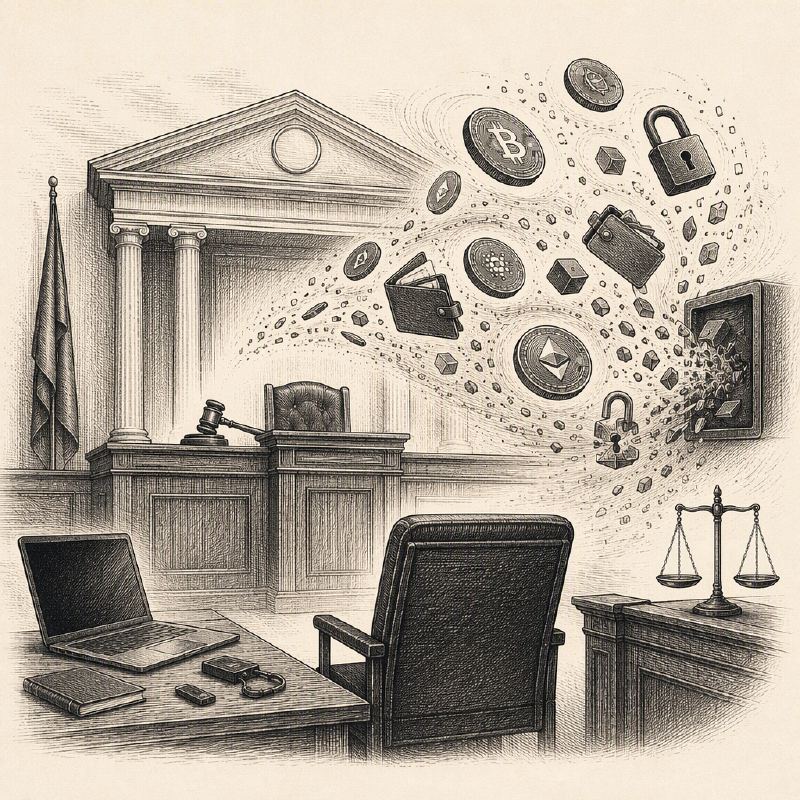
A US federal jury convicted Maryland cybersecurity consultant Jonathan Spalletta for stealing over $54 million from cryptocurrency exchange Uranium Finance through two sophisticated smart contract exploits.

The Shai-Hulud worm has infiltrated Tensorlake's npm SDK, a platform for AI agents, stealing credentials and cloud secrets, and posing a risk to thousands of weekly downloads.

Two Python scripts, opencode-chat-replay.py and hermes_forensic_extract.py, have been released to help investigators reconstruct activity logs from popular AI coding assistants.

CISA has issued an advisory detailing multiple critical vulnerabilities in Grid Protection Alliance's openPDC and openHistorian software, potentially allowing unauthenticated remote code execution.
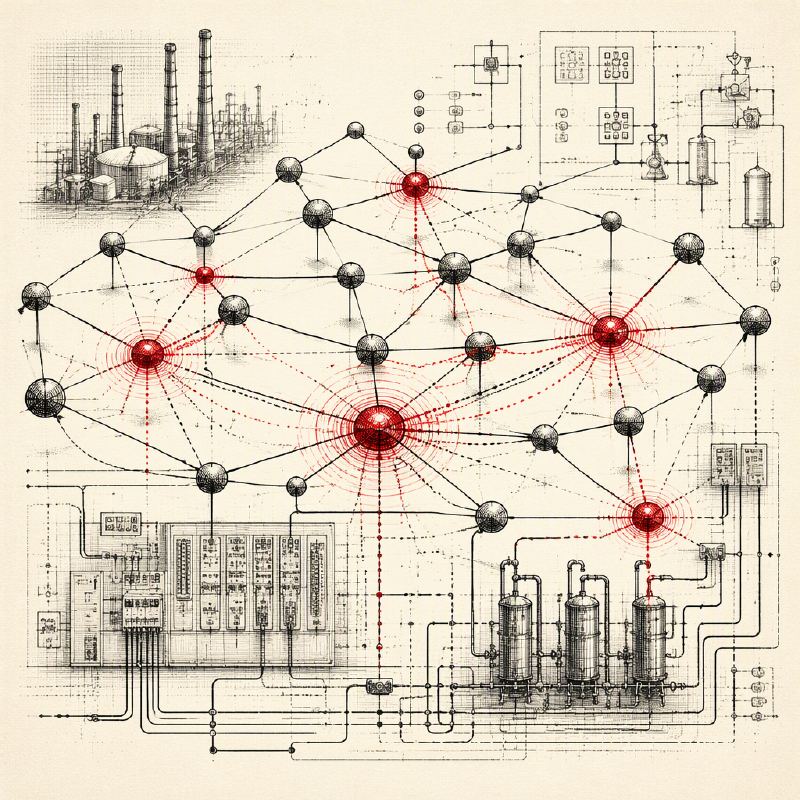
CISA has issued an advisory detailing three critical vulnerabilities in Satel Netco Design, versions prior to v2.1.7, including cross-site scripting, denial of service, and path traversal flaws.

CISA has issued an advisory for Red Lion Controls N-Tron 700 Series devices, detailing multiple vulnerabilities that could allow unauthorized administrative access and device reboots.

A 25-year-old man has received a two-and-a-half-year prison sentence in London for his role in a cryptocurrency theft scheme that pilfered nearly $260,000.
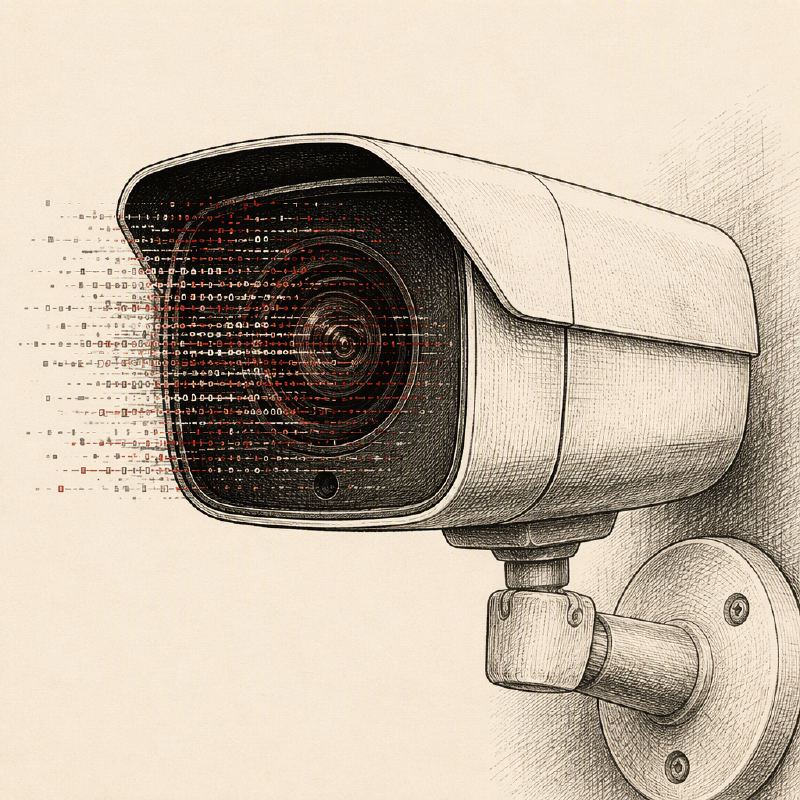
GreyNoise observed a surge in exploitation attempts against CVE-2021-36260, a critical command injection vulnerability in Hikvision products, targeting devices in Ukraine.
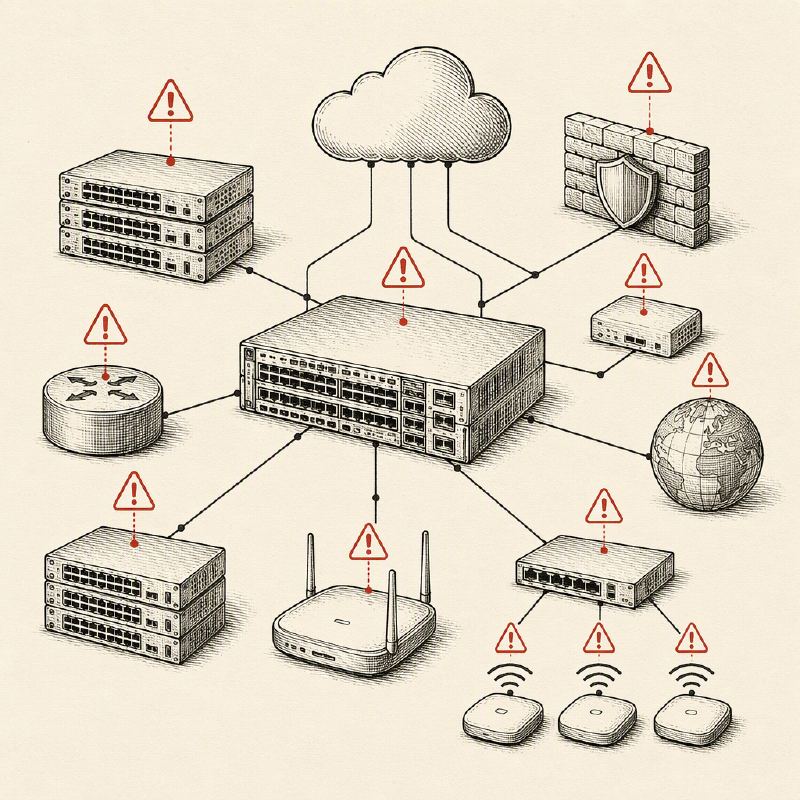
Cisco has released patches for 35 vulnerabilities, including over a dozen critical flaws affecting its Meraki, License On-Prem, NX-OS, and APIC products.
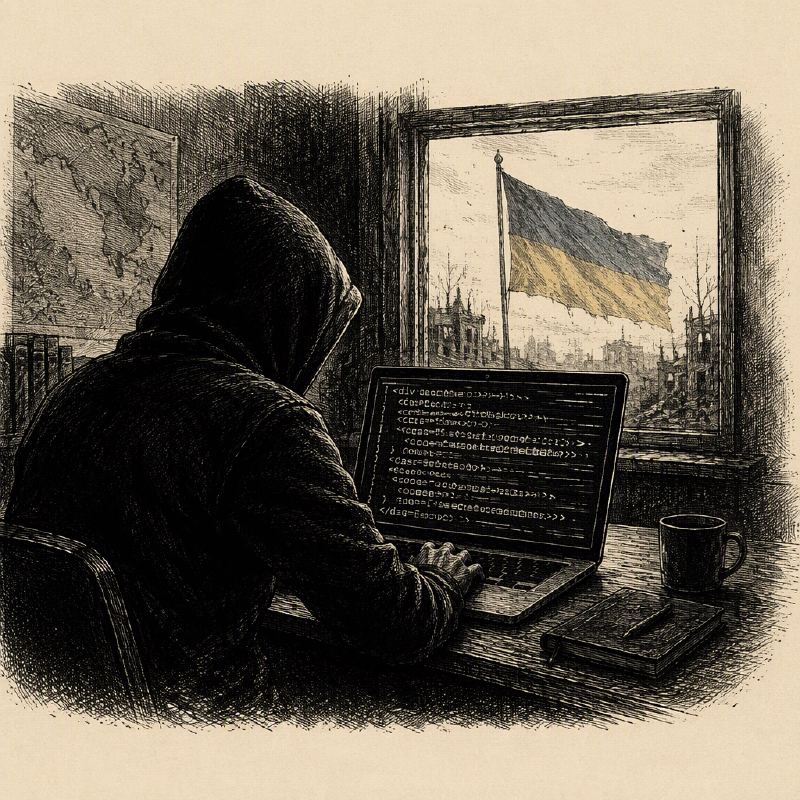
Russia-aligned threat actor UAC-0099, also known as Earth Sirrush, is using a new .NET infostealer and RAT called ASHVEIN to target Ukrainian government employees, with commands cleverly hidden within HTML files.
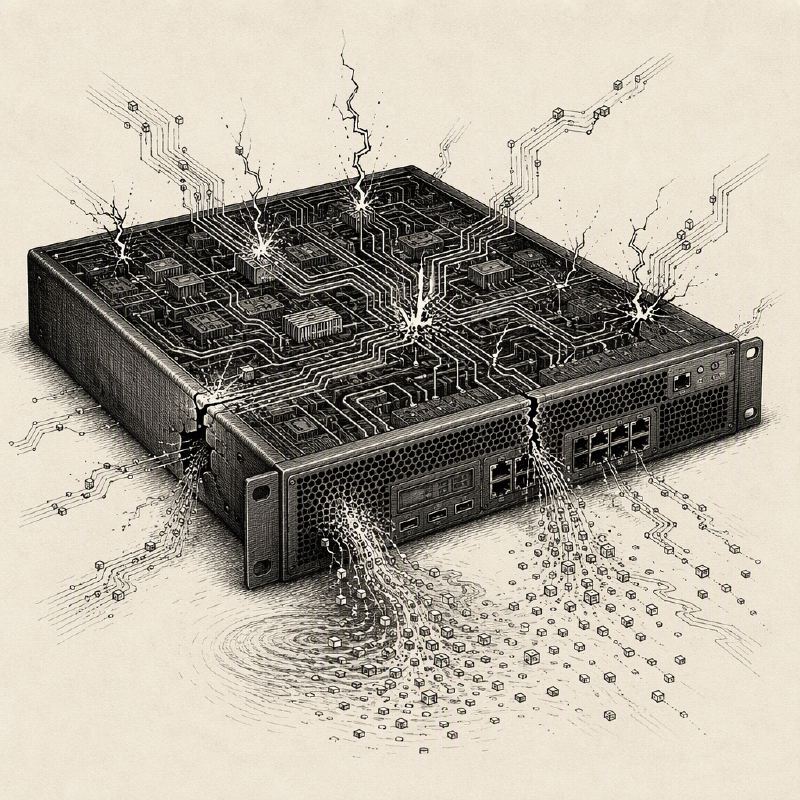
Key findings • 25 vulnerabilities disclosed for IBM DataPower Gateway on October 8, 2026. • Critical vulnerabilities include remote code execution via buffer overflows (CVE-2026-14269, CVE-20…
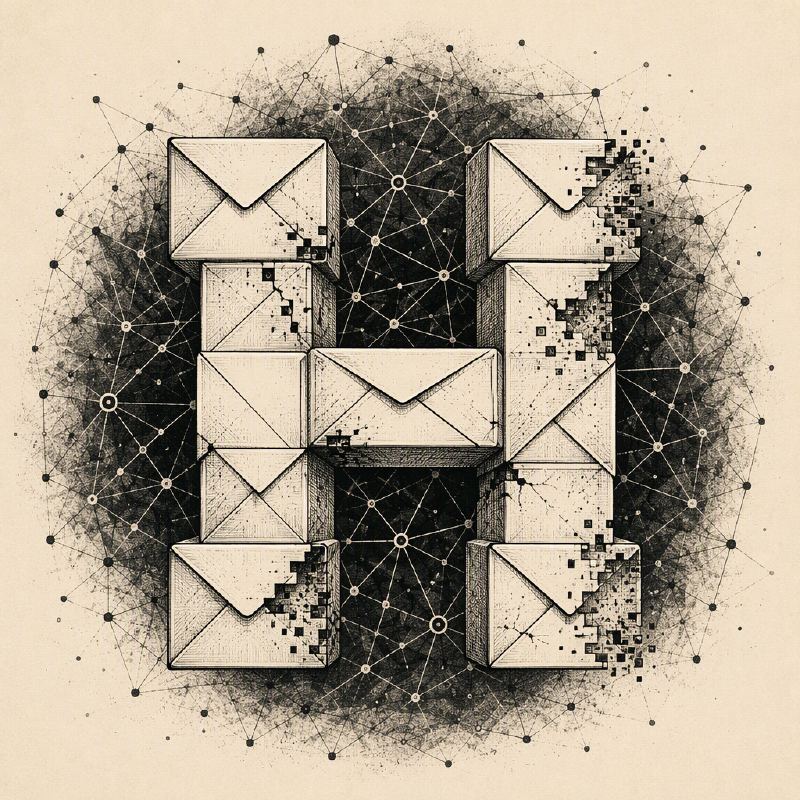
Key findings • 18 vulnerabilities disclosed for hMailServer on October 8, 2026, affecting versions 6.0.0 through 6.3.5. • Multiple denial-of-service vulnerabilities exist due to inefficient a…
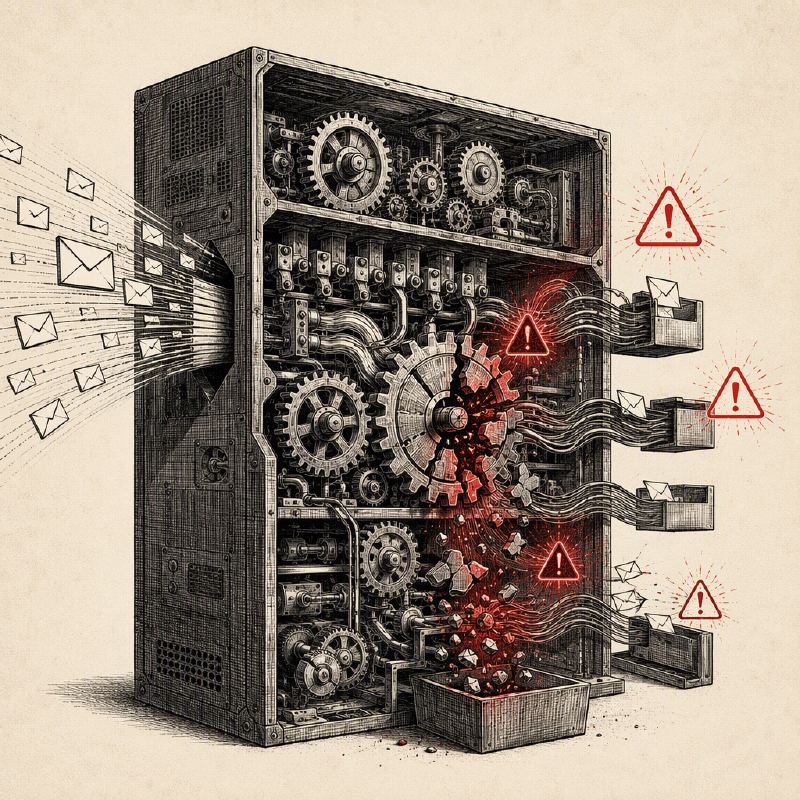
Key findings • 22 vulnerabilities disclosed for Hmailserver on October 8, 2026, affecting versions 6.0.0 through 6.3.5. • Multiple denial-of-service vulnerabilities exist due to inefficient a…
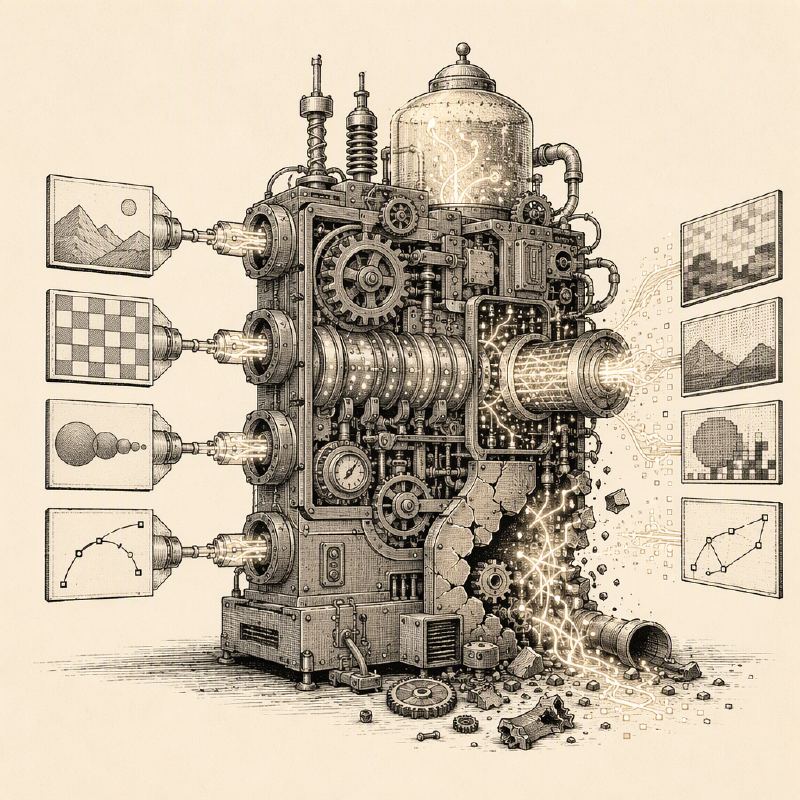
Key findings • 25 medium-severity vulnerabilities disclosed for ImageMagick between Oct 7-8, 2026. • Issues span multiple decoders (CALS, MAT, MVG, RSVG) and encoders (CUT, PostScript). •…

Microsoft Teams will soon allow certified third-party providers to detect synthetic audio and video, aiming to combat deepfake attacks within meetings.
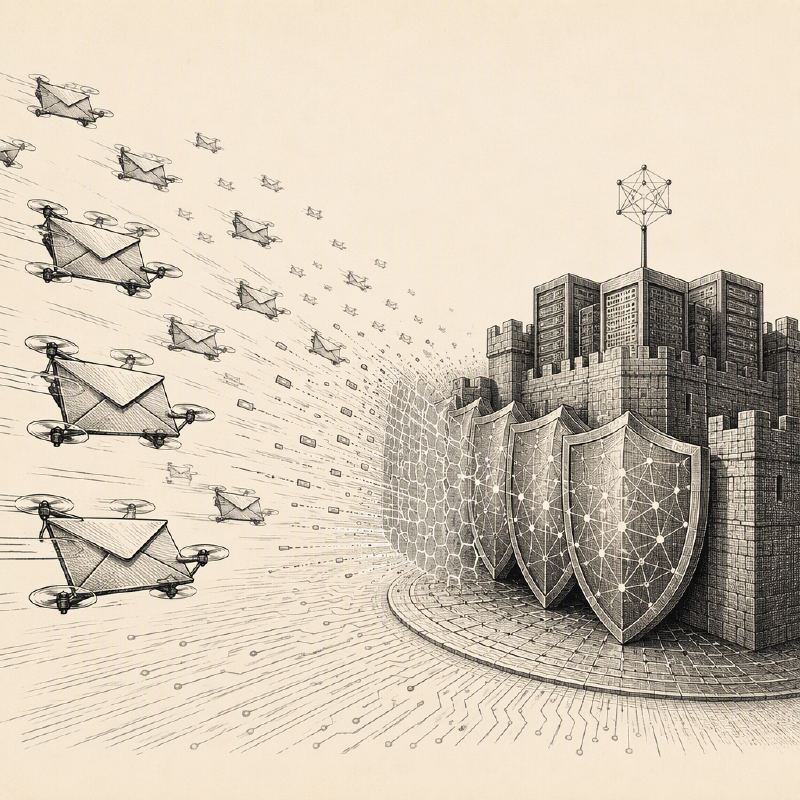
Generative AI is transforming phishing attacks into highly personalized, sophisticated threats that bypass traditional defenses, prompting the development of AI-driven counter-measures.
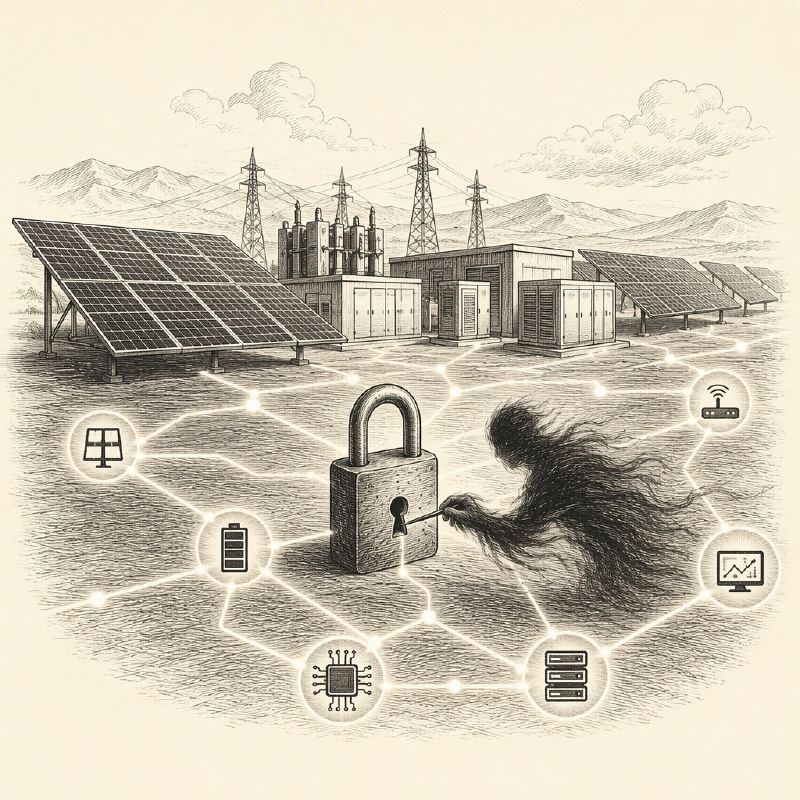
A critical business-logic flaw in Sungrow's iSolarCloud platform enabled attackers to bypass password authentication and gain unauthorized access to solar plant management systems.
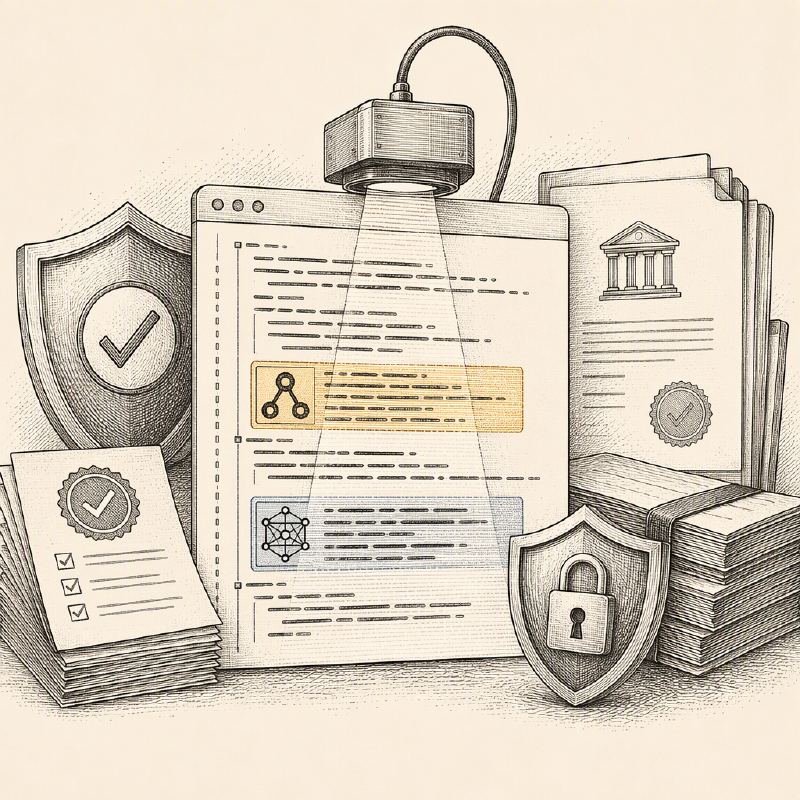
Insignary has released Clarity AIR, a new tool designed to scan source code directly and identify open-source and AI-generated code that developers may not have declared in manifests or SBOMs.

Leaked chats reveal a Russian-based extortion group, linked to Silent Ransom Group, plotted to send operatives into US law firms to steal data and extort victims.

Threat actors are targeting hotels with phishing emails containing fake negative reviews, leading staff to download malware that uses public blockchains for command and control.
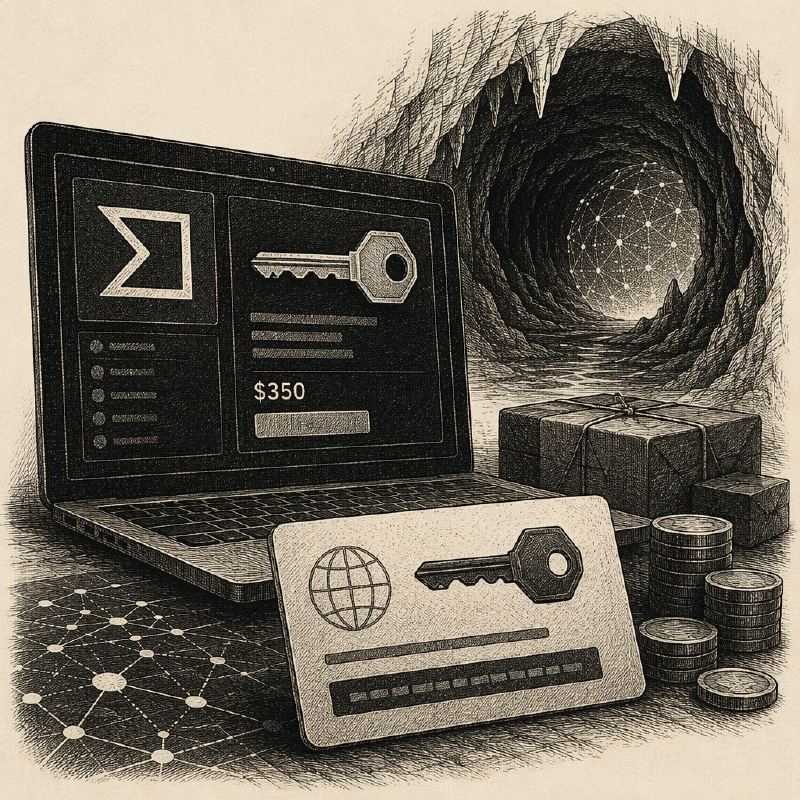
A dark web seller is reportedly offering a VirusTotal Enterprise API key for $350, sparking concerns about potential misuse of threat intelligence data.
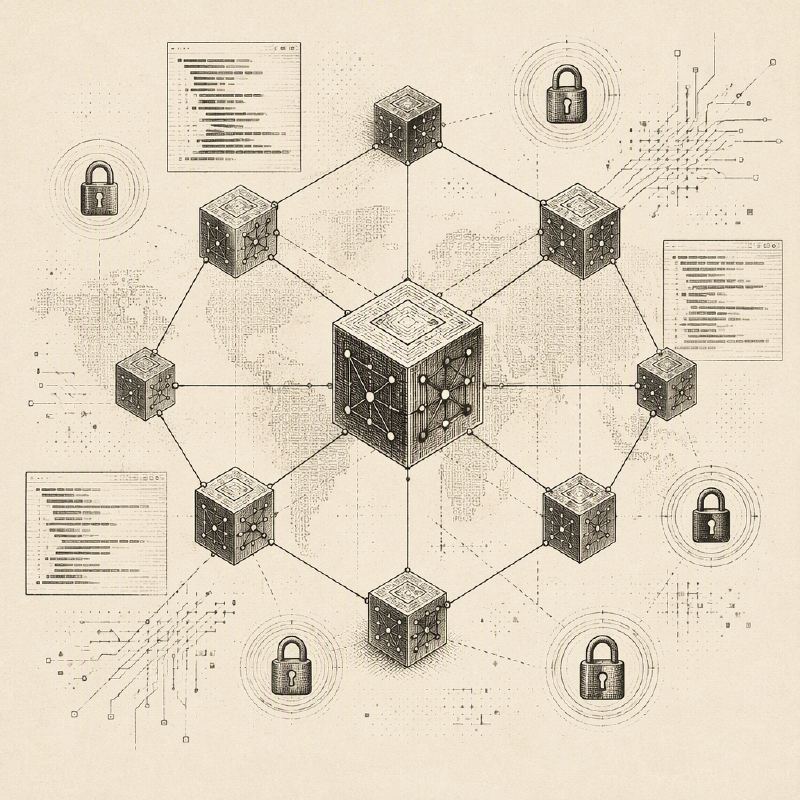
Threat actors are leveraging public blockchain networks as a resilient command-and-control (C2) layer for supply chain malware, evading traditional defenses and enabling dynamic infrastructure rotation.