
Generative AI Fuels Sophisticated Phishing Attacks, Forcing Defense Evolution
Generative AI is transforming phishing attacks into highly personalized, sophisticated threats that bypass traditional defenses, prompting the development of AI-driven counter-measures.
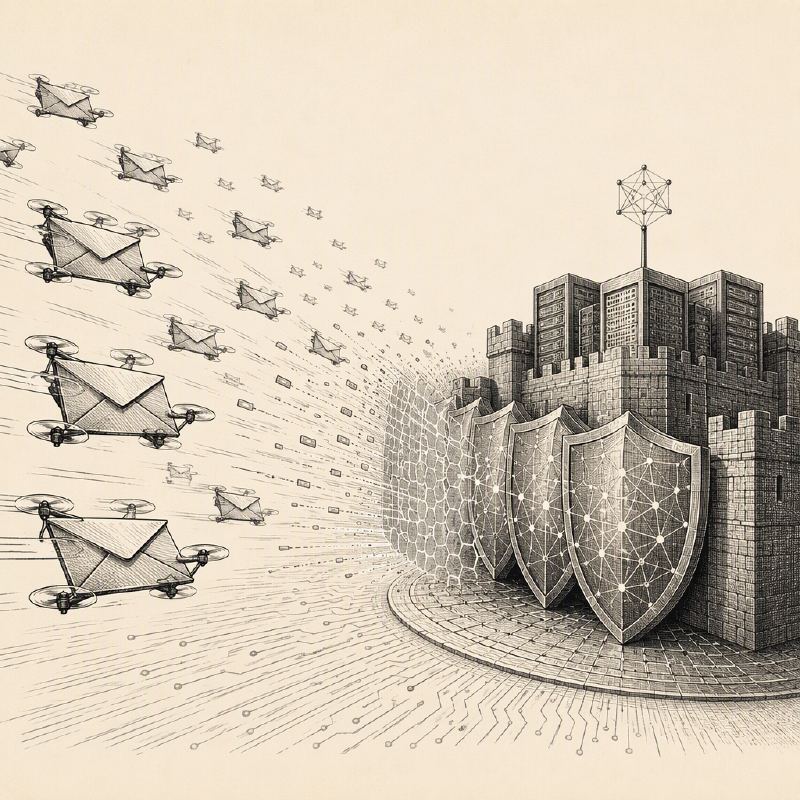
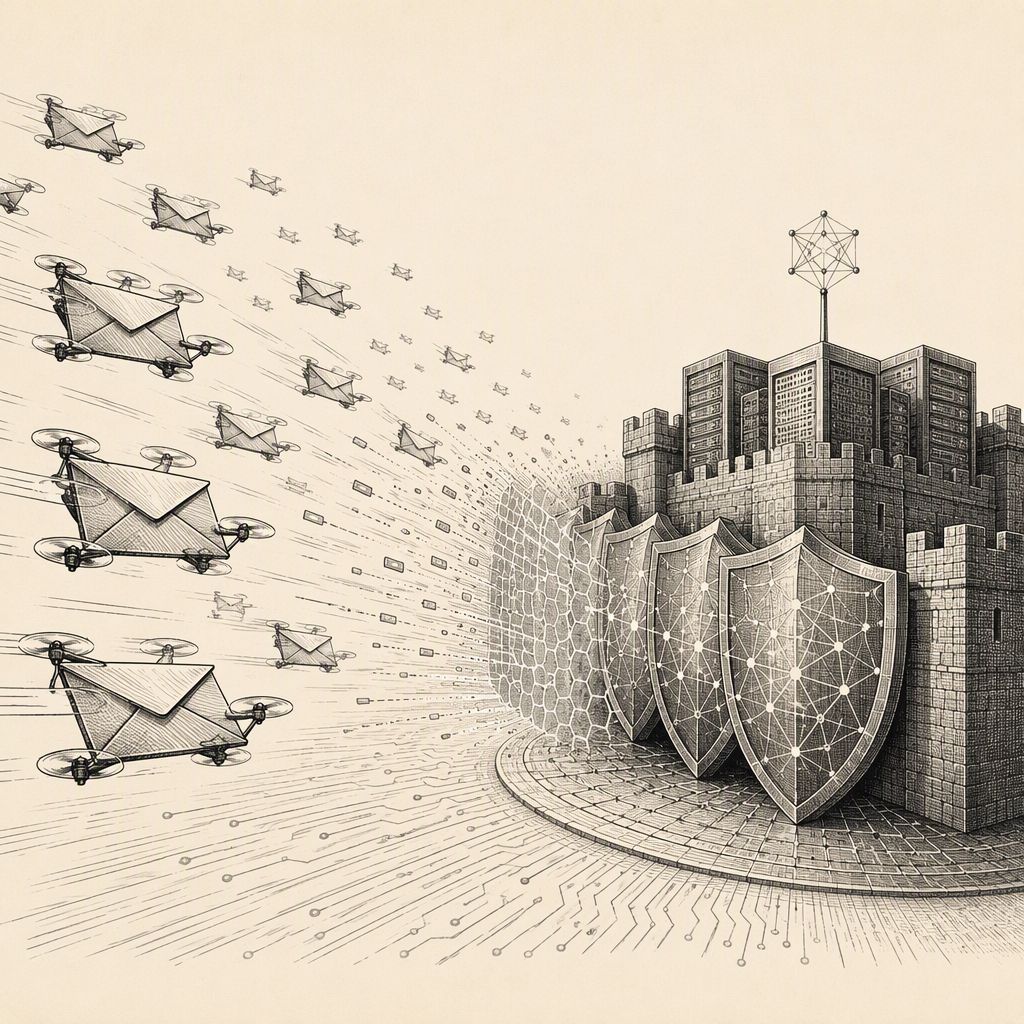
Phishing emails, a cybersecurity staple since the mid-1990s, remain a primary vector for cybercrime, with the FBI reporting that 26 percent of all cybercrime complaints are phishing-related. This long-standing threat is now undergoing a radical transformation due to the advent of Generative AI (GenAI), which is elevating phishing from a widespread nuisance to a precision weapon.
Historically, threat actors faced limitations in crafting convincing phishing attempts. Common issues included poor grammar, amateurish formatting, and the sheer effort required to personalize attacks at scale. Traditional email security solutions were adept at flagging these tell-tale signs of amateurism. However, GenAI, powered by Large Language Models (LLMs), has dismantled these barriers. It enables the creation of polished, contextually relevant text in any language, often accompanied by realistic brand graphics and convincing URLs, all with minimal expertise and cost.
This democratization of sophisticated phishing means attackers can now send thousands of highly tailored emails with ease. "Thanks to AI, the historic signals that exposed a phishing email – poor grammar, misspelt words – are now ironed out and replaced with perfect language," notes Dave Baggett, SVP Cybersecurity with Kaseya. "These emails can be highly targeted with the help of AI. You can create an email that pinpoints, say, a pharma company by using authentic terminology. It’s an incredibly powerful tool for the bad guys."
The impact of successful GenAI-powered phishing extends beyond individual compromise. Once inside a network, attackers can exploit this initial access to burrow into cloud and SaaS platforms critical for business operations. The FBI has noted a staggering 274 percent increase in losses from phishing attacks over the past two years, underscoring the escalating financial damage.
In response to this evolving threat landscape, defenders are also leveraging AI. Newer security solutions are shifting from anomaly detection to contextual analysis and behavioral pattern recognition. Instead of looking for technical flaws, these AI-driven tools aim to model an attacker's intent by analyzing subtle patterns within messages and comparing them against expected behavioral norms.
This advanced approach is crucial because modern phishing attacks often bypass technical filters by exploiting human psychology and trusted infrastructure. GenAI supercharges social engineering, allowing attackers to impersonate colleagues or superiors, often targeting new employees who are less familiar with organizational norms. These attacks can involve building rapport over multiple emails before making a malicious request, such as an urgent wire transfer or a demand for credentials.
Despite these advancements in defensive AI, a significant asymmetry persists. "Attackers can use LLMs, basically for free, to create perfect phishing templates," Baggett explains. "On the other hand, if defenders took every inbound email and put it through a frontier LLM model, that’s about 100x too expensive. We just can’t use the same tools at the criminals."
Ultimately, the inbox is transforming from a passive delivery channel into an active layer of risk mitigation. Effective email security must now provide easily digestible context about potential risks and guide users toward verification, rather than relying solely on generic warnings. This arms race between AI-enhanced offense and AI-powered defense is defining the new frontier of email security.