Hackers Leverage Legitimate ChatGPT Links to Distribute Malware
Attackers are using shared ChatGPT conversation links to trick Windows users into executing malicious commands that install malware, including a remote control client.
Stories cluster related articles into a single narrative, linked to the underlying CVEs and affected products. 8,564 stories synthesized.
Attackers are using shared ChatGPT conversation links to trick Windows users into executing malicious commands that install malware, including a remote control client.
Forescout researchers successfully adapted a PLC exploit using AI, demonstrating a potential new threat vector for industrial control system attacks.
WordPress has launched a new Core Security Initiative to employ AI-assisted tools for discovering vulnerabilities before malicious actors can exploit them.
Key findings • Four medium-severity vulnerabilities disclosed by Samsung Mobile on September 1, 2026. • Vulnerabilities affect Samsung's open-source components: mTower and rlottie. • Issu…
A new Python-based malware framework, BraZetsu, is being used by threat actor Exilware to map compromised corporate networks and identify valuable data for sale on underground marketplaces.
A novel social engineering tactic known as ClickFix has become the most prevalent method for attackers to gain initial access into corporate networks, bypassing traditional security measures by leveraging user interaction.
Attackers are luring users with a fake Claude Opus 5 desktop application, distributing the RevStealer infostealer malware designed to steal passwords, browser data, and cryptocurrency.
Healthcare technology company Aesto Health has disclosed a significant data breach impacting approximately 9.5 million individuals, compromising sensitive personal and protected health information.
METR, a non-profit focused on AI model evaluation, disclosed two security incidents where attackers stole an API key and attempted unauthorized access, leading to the consumption of approximately $600,000 in AI credits.
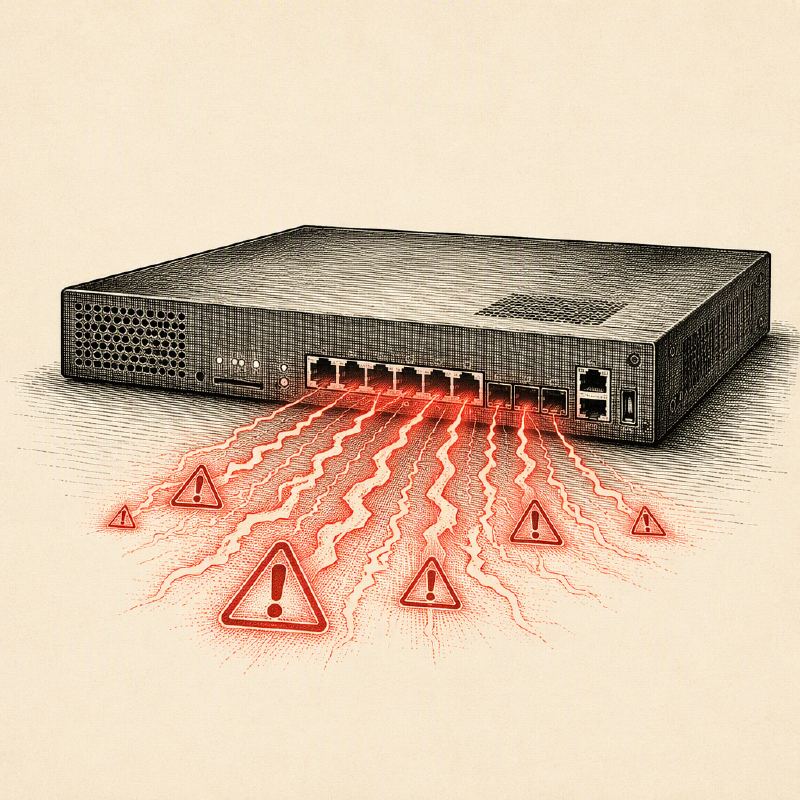
WatchGuard has released patches for three critical vulnerabilities in its Fireware OS, allowing unauthenticated remote code execution.
Key findings • 25 WordPress plugins affected by a single disclosure event on September 1, 2026. • Vulnerabilities span SQL injection, XSS, arbitrary file upload, authentication bypass, and SS…
Hackers are exploiting trojanized website themes distributed via Composer to deliver spyware and steal cryptocurrency wallet seeds from iPhones, targeting older iOS versions.
APT group Mirage Kitten is employing novel Node.js and JavaScript-based remote access trojans, NodeRabbit and PollCat, delivered via spear-phishing campaigns targeting the aviation and FinTech sectors in the Middle East and Africa.
A password-spraying campaign between July and August 2026 targeted AWS root accounts at more than 150 organizations, though no successful compromises were confirmed.
Key findings • 25 vulnerabilities disclosed across Ash Project components, ranging from Low to High severity. • Critical code injection (CVE-2026-77956) in ash_ai allows arbitrary code execut…
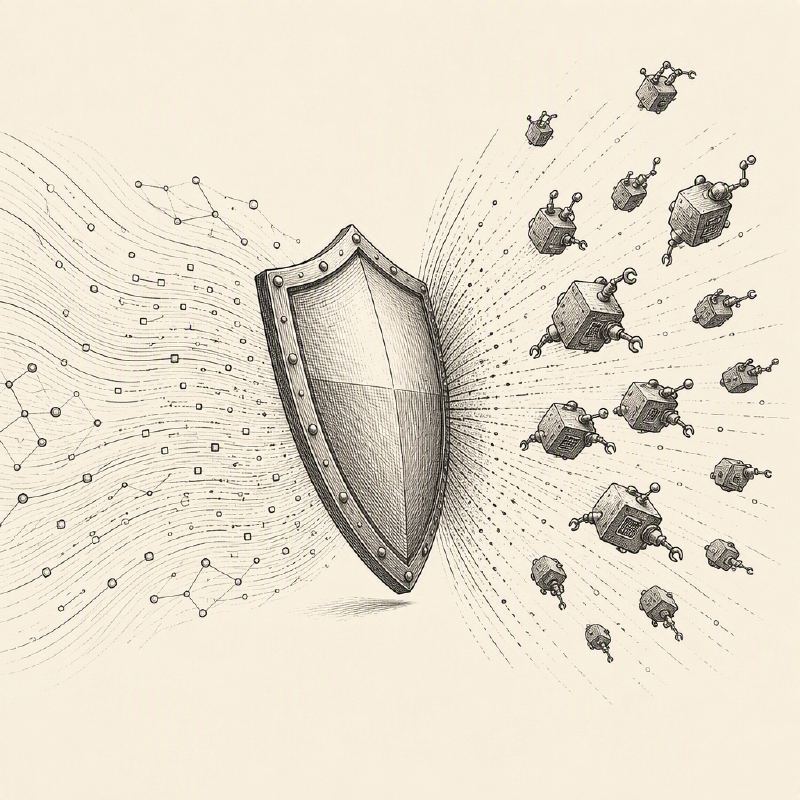
CrowdSec's latest release, version 1.8.0, introduces integrated bot detection capabilities for its Web Application Firewall and addresses two critical Denial-of-Service vulnerabilities in its log intake components.
Attackers hijacked BGP routes for Softaculous, diverting traffic to deliver a malicious Virtualizor update with a valid TLS certificate, potentially enabling root-level code execution on hypervisor servers.
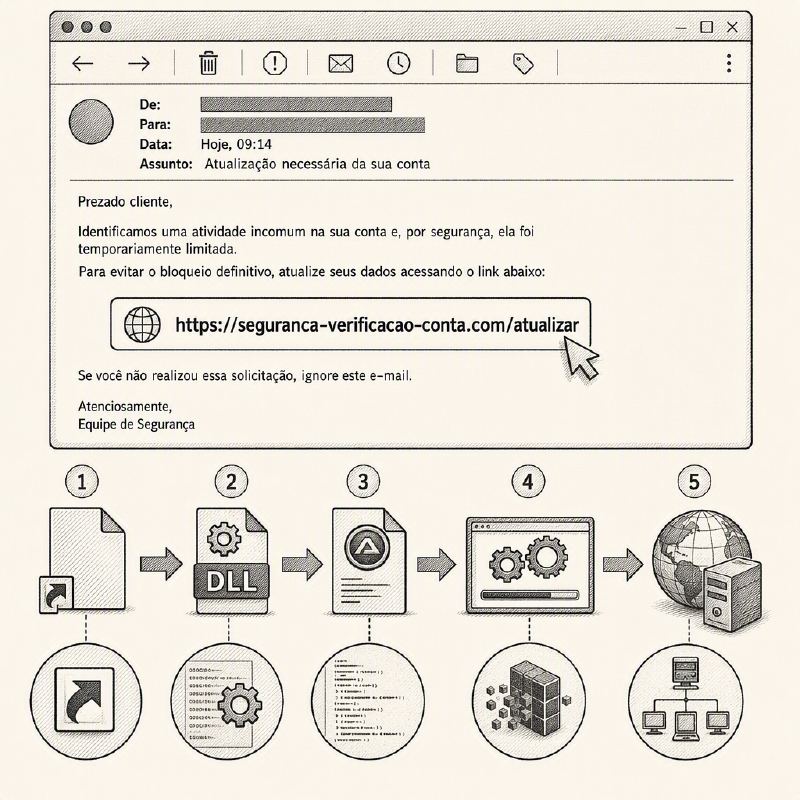
A new Guildma (Astaroth) malware campaign is using geofenced emails in Brazilian Portuguese to infect targeted Windows users, employing a multi-stage infection chain that includes shortcut files and AutoIt scripts.
Mandiant has identified BREEZE COMET, a financially motivated threat actor targeting Brazil's financial sector with custom malware and AI-assisted development to manipulate payment systems for fraudulent transfers.
Key findings • 40 malicious npm packages disclosed within a 2-minute window on August 31, 2026. • Packages share 'allied' and 'alleged' prefixes, often with animal names and suffixes like _z3…
Healthcare giant McKesson disclosed a cyberattack resulting in data theft and temporary service interruptions, with the threat group ShinyHunters claiming responsibility and demanding over $55 million.
Key findings • Five critical vulnerabilities disclosed in Tenda routers between August 30-31, 2026. • Flaws include missing authentication, buffer overflows, and hardcoded credentials. • …
Following U.S. strikes on Iranian rocket launchers, federal warnings highlight increased cyber risk to American critical infrastructure, with Iranian-linked actors historically probing energy and water systems after kinetic escalations.
Key findings • 25 vulnerabilities in Totolink T6 firmware (4.1.5cu.748_B20211015) disclosed on August 31, 2026. • All flaws stem from incorrect access control in the /cgi-bin/cstecgi.cgi endp…