
SonicWall SMA 1000 Appliances Vulnerable to Pre-Auth SSRF Flaw
SonicWall has released patches for four vulnerabilities affecting its SMA 1000 series appliances, including a critical pre-authentication Server-Side Request Forgery (SSRF) flaw.
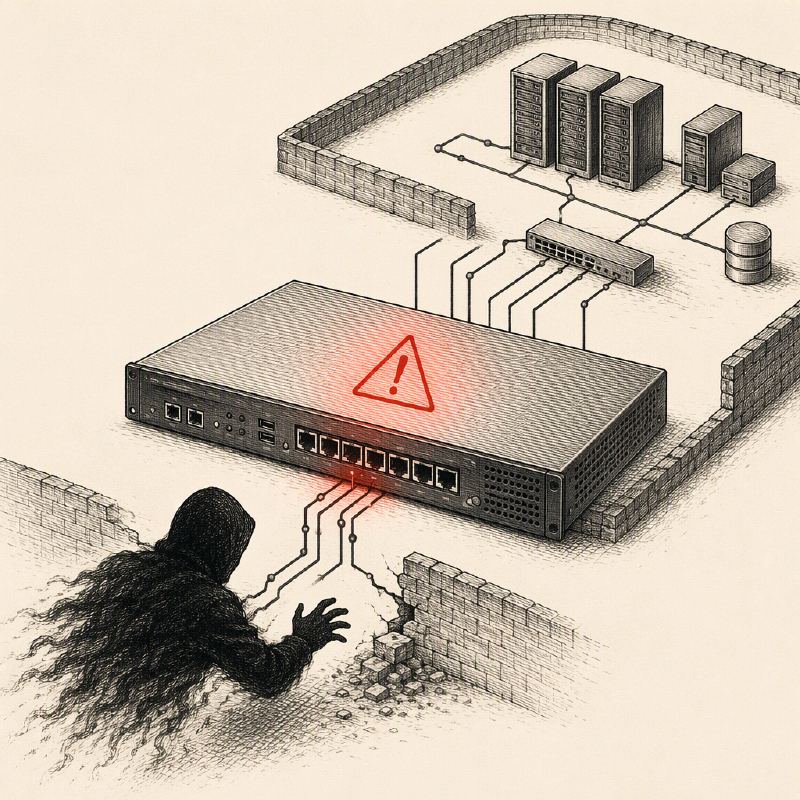
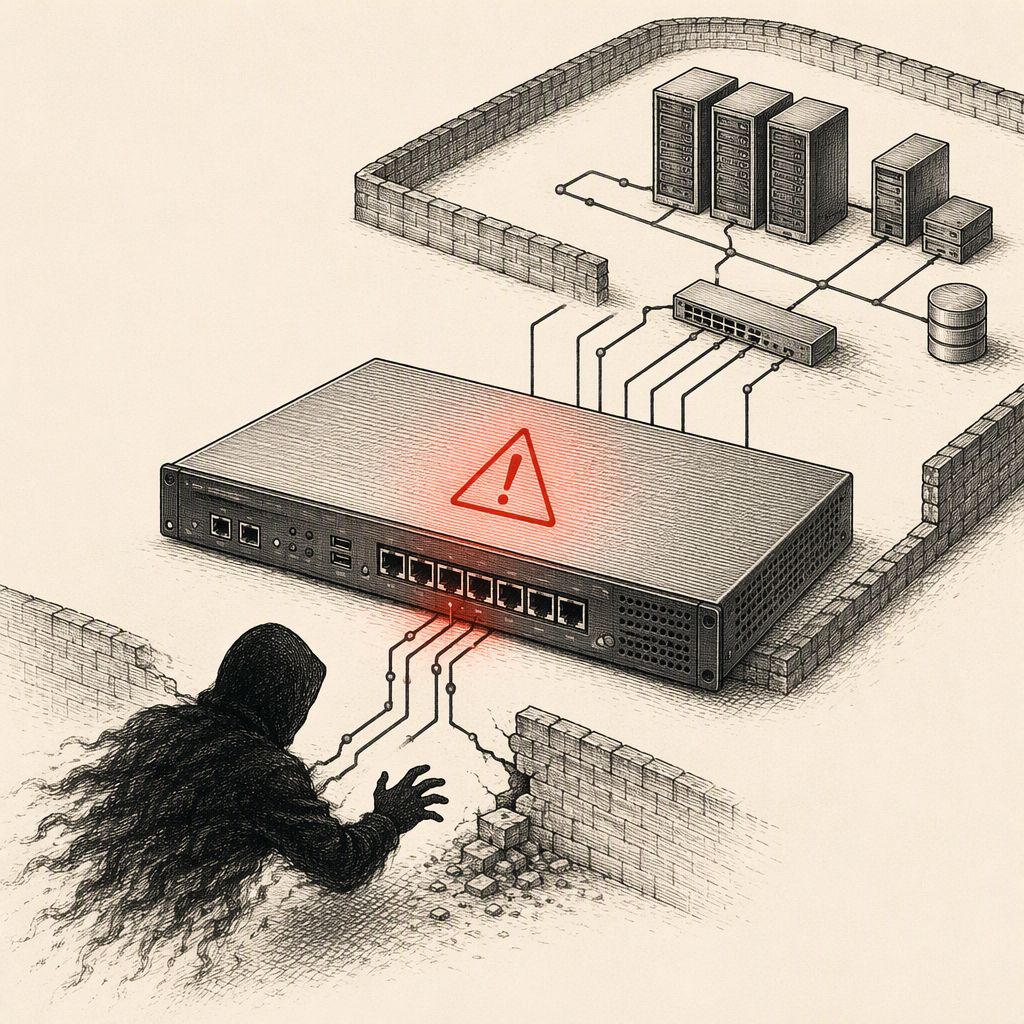
SonicWall has issued critical security updates for its Secure Mobile Access (SMA) 1000 series appliances, addressing a total of four vulnerabilities. The most significant among these is CVE-2026-102255, a pre-authentication Server-Side Request Forgery (SSRF) vulnerability that poses a considerable risk to organizations utilizing these devices.
This SSRF flaw allows unauthenticated remote attackers to exploit an unintended alternate access path within the Appliance Work Place interface. By sending a crafted request, an attacker can compel the SMA appliance to issue requests on their behalf to internal systems or services that trust the appliance. This could enable attackers to access internal functionality and perform unauthorized operations that would otherwise require proper authentication.
While SonicWall has stated there is currently no evidence of these vulnerabilities being exploited in the wild, the vendor has cautioned that exploitation is a distinct possibility given the nature of the flaws and the historical targeting of SonicWall SMA appliances. Previous attacks have leveraged similar pre-authentication SSRF vulnerabilities in SMA 1000 series devices as zero-days, highlighting the importance of prompt patching.
The vulnerabilities affect physical and virtual models of the SMA 1000 series, specifically the 6210, 7210, and 8200v appliances. The company has provided specific firmware hotfix versions for customers to upgrade to: 12.4.3-03670 and higher, and 12.5.0-03082 and higher.
In addition to the critical SSRF vulnerability, SonicWall also patched CVE-2026-102256, a post-authentication OS command injection flaw. Two other vulnerabilities, CVE-2026-102257 (path traversal) and CVE-2026-102258 (cross-site scripting), were also addressed. These latter two vulnerabilities require an attacker to be already authenticated as an administrator to be exploited.
Researchers Benoît Sevens and Brian Mariani are credited with reporting CVE-2026-102255 and CVE-2026-102256, and CVE-2026-102257 and CVE-2026-102258 respectively. The fixes are available for the SMA 1000 series, and SonicWall has confirmed that its firewall products and the discontinued SMA 100 Series are not affected by these particular issues.
Organizations using SonicWall SMA 1000 appliances are strongly advised to apply the available patches immediately to mitigate the risk of exploitation. The potential for attackers to gain unauthorized access to internal networks via this SSRF vulnerability underscores the ongoing need for diligent vulnerability management and timely security updates.
This new advisory from SonicWall details four additional vulnerabilities in its SMA 1000 Series appliances, including CVE-2026-102255, a critical pre-authentication SSRF flaw with a CVSS score of 10.0. While the previous article focused on a pre-auth SSRF, this update specifies four distinct CVEs and provides updated affected and patched versions, urging customers to install the latest hotfixes as previous September patches are insufficient for these new flaws.
This new report details four additional vulnerabilities patched by SonicWall in its SMA1000 appliances, including three that require administrator login. The most severe of these, CVE-2026-102256, is an OS command injection flaw with a CVSS score of 7.8 that could lead to remote code execution. Additionally, CVE-2026-102257 is a Zip Slip vulnerability with a CVSS score of 7.2, and CVE-2026-102258 is a stored cross-site scripting (XSS) flaw rated at 5.5. While SonicWall states there is no evidence of exploitation for these new flaws, it is notable that researchers discovered these issues, contrasting with previous critical SSRF flaws in the same product line that were found internally and did see exploitation.
The new article also details several critical and high-severity vulnerabilities affecting Splunk products, including Splunk Enterprise, MCP Server, and the Add-on for Amazon Web Services. These Splunk flaws could enable arbitrary command execution, unauthorized access, and code injection, requiring separate patching efforts by users.
Exploitation of the critical CVE-2026-102255 vulnerability in SonicWall SMA1000 appliances has been observed in the wild just two days after its public disclosure. Threat intelligence firms Previdian and Defused reported detecting exploitation attempts on October 8th, indicating a rapid response by threat actors to leverage the pre-authenticated SSRF flaw. This rapid exploitation underscores the urgency for organizations to apply the patches released by SonicWall on October 6th.
Following the initial disclosure and patch release for CVE-2026-102255, threat actors have rapidly begun exploiting this critical SSRF vulnerability in SonicWall SMA 1000 appliances. Over 135 exploitation attempts have been observed by security researchers shortly after the vulnerability became public and patches were made available, indicating a high level of threat actor interest and activity.
This new report indicates that the previously disclosed Server-Side Request Forgery (SSRF) vulnerability in SonicWall SMA 1000 appliances is now under active exploitation. Attackers are leveraging this maximum-severity flaw to conduct unauthorized requests on behalf of the vulnerable devices, posing an immediate threat to SonicWall customers and highlighting a recurring security challenge with the vendor's products.
Exploitation attempts against the SonicWall SMA1000 vulnerability (CVE-2026-102255) were detected beginning October 8, just two days after SonicWall released patches. Threat intelligence firms Defused Cyber and Previdian observed suspicious traffic targeting their SMA decoys, indicating that attackers are actively leveraging the critical Server-Side Request Forgery (SSRF) flaw shortly after its disclosure and remediation.