
Attackers Exploit UnrealIRCd Flaw Enabling Server-Level Command Injection
CISA has added a critical UnrealIRCd vulnerability (CVE-2026-114713) to its KEV catalog due to active exploitation, allowing attackers to inject commands at the server level.
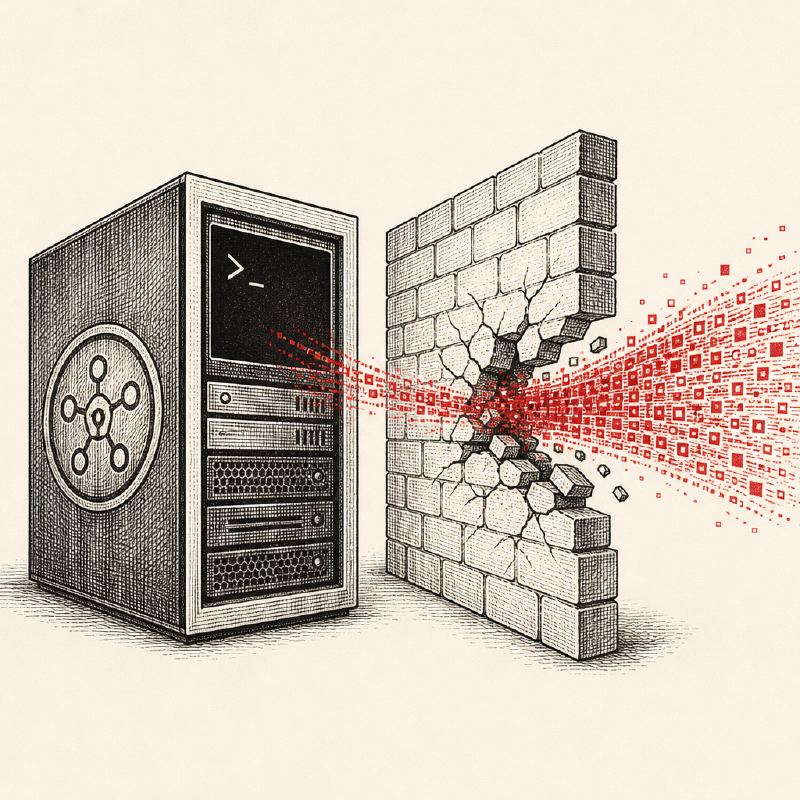
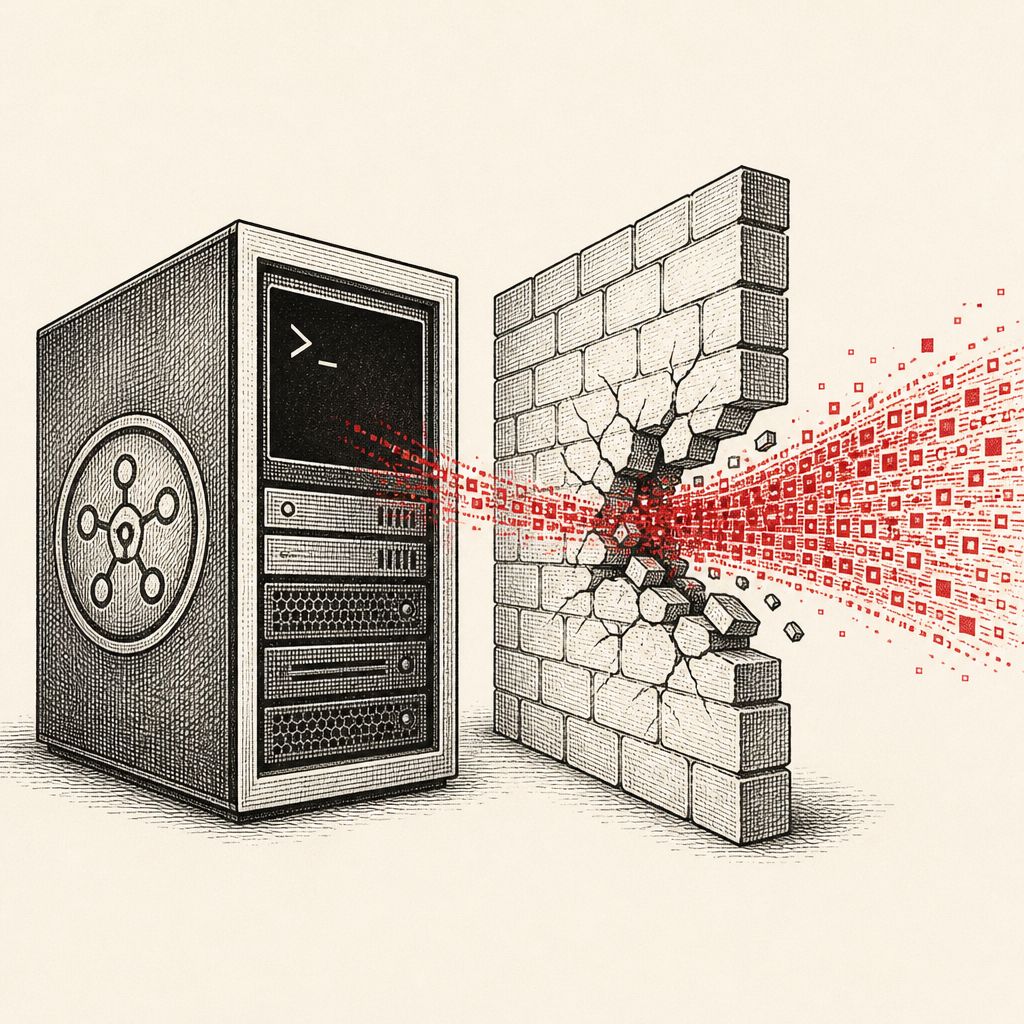
The U.S. Cybersecurity and Infrastructure Security Agency (CISA) has officially added a critical security flaw affecting UnrealIRCd, a widely used open-source Internet Relay Chat (IRC) server software, to its Known Exploited Vulnerabilities (KEV) catalog. This move comes after reports confirmed that the vulnerability is being actively exploited in the wild by malicious actors.
The vulnerability, identified as CVE-2026-114713, carries a high severity rating with a CVSS score of 8.6. It stems from an issue related to the improper neutralization of delimiters within the IRC server software. This technical flaw allows attackers to inject and execute commands directly on the server, granting them a significant level of control over the compromised infrastructure.
UnrealIRCd is a popular choice for running IRC networks, often used for communication and community building. Its widespread deployment means that a vulnerability of this nature poses a substantial risk to a large number of servers and their users. The ability to inject commands at the server level can lead to a cascade of malicious activities, including data theft, system disruption, and the use of the compromised server as a pivot point for further attacks.
While the exact methods and targets of the ongoing exploitation are not fully detailed, the inclusion in the KEV catalog signifies that CISA has credible information that threat actors are actively leveraging this vulnerability. Organizations running UnrealIRCd servers are strongly advised to prioritize patching or implementing mitigating controls to protect their systems.
The nature of the vulnerability, improper neutralization of delimiters, is a common class of security flaw that can arise from insufficient input validation. When software fails to properly sanitize or escape special characters that have meaning to the system, it can inadvertently interpret user-supplied data as commands, leading to unintended and potentially dangerous execution.
CISA's inclusion of CVE-2026-114713 in the KEV catalog mandates that U.S. federal agencies must apply relevant security updates by a specific deadline to mitigate the risk. However, the advisory serves as a critical warning for all organizations, regardless of sector or location, that utilize UnrealIRCd software. The active exploitation indicates that attackers are actively seeking out and compromising vulnerable systems.
Details regarding specific patches or workarounds should be sought directly from the UnrealIRCd project or its official security advisories. The rapid addition to the KEV catalog underscores the urgency of the situation and the potential for widespread impact if left unaddressed. This incident highlights the persistent threat posed by vulnerabilities in widely deployed open-source software and the importance of timely security updates.
This update from CISA adds CVE-2026-123039, a Check Point vulnerability related to incorrect permission assignment, to its Known Exploited Vulnerabilities (KEV) Catalog. This new addition joins the previously reported UnrealIRCd vulnerability (CVE-2026-114713) also added to the KEV catalog, highlighting a dual focus on distinct exploitation vectors.