
Zero Trust Principles Fall Short for Evolving AI Agents, Teleport Argues
Traditional zero trust security models are insufficient for autonomous AI agents, requiring a new approach focused on trusted runtimes and continuous behavioral identity security, according to Teleport's Chris Webber.
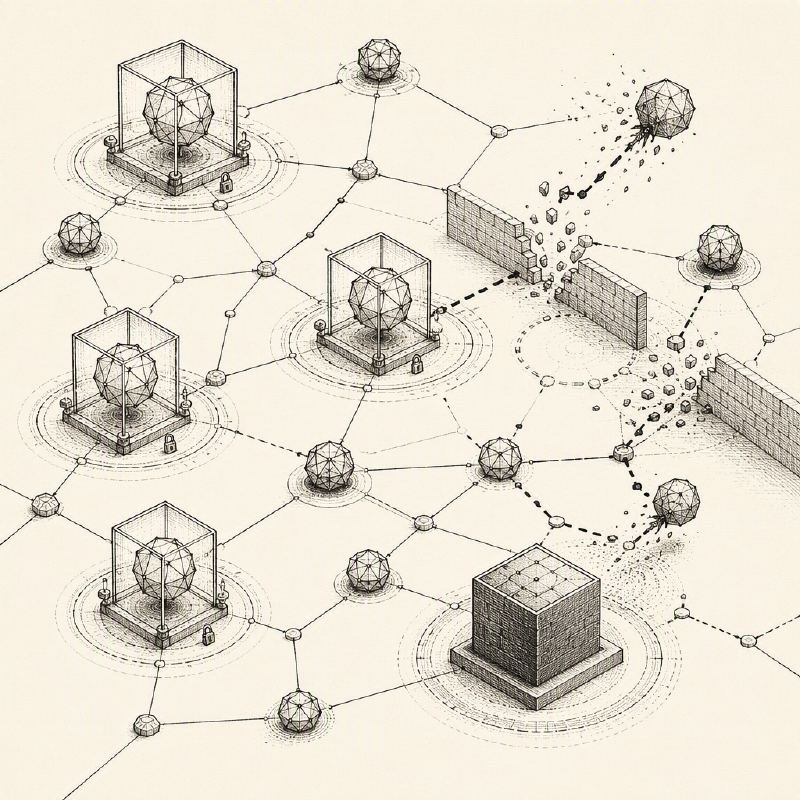
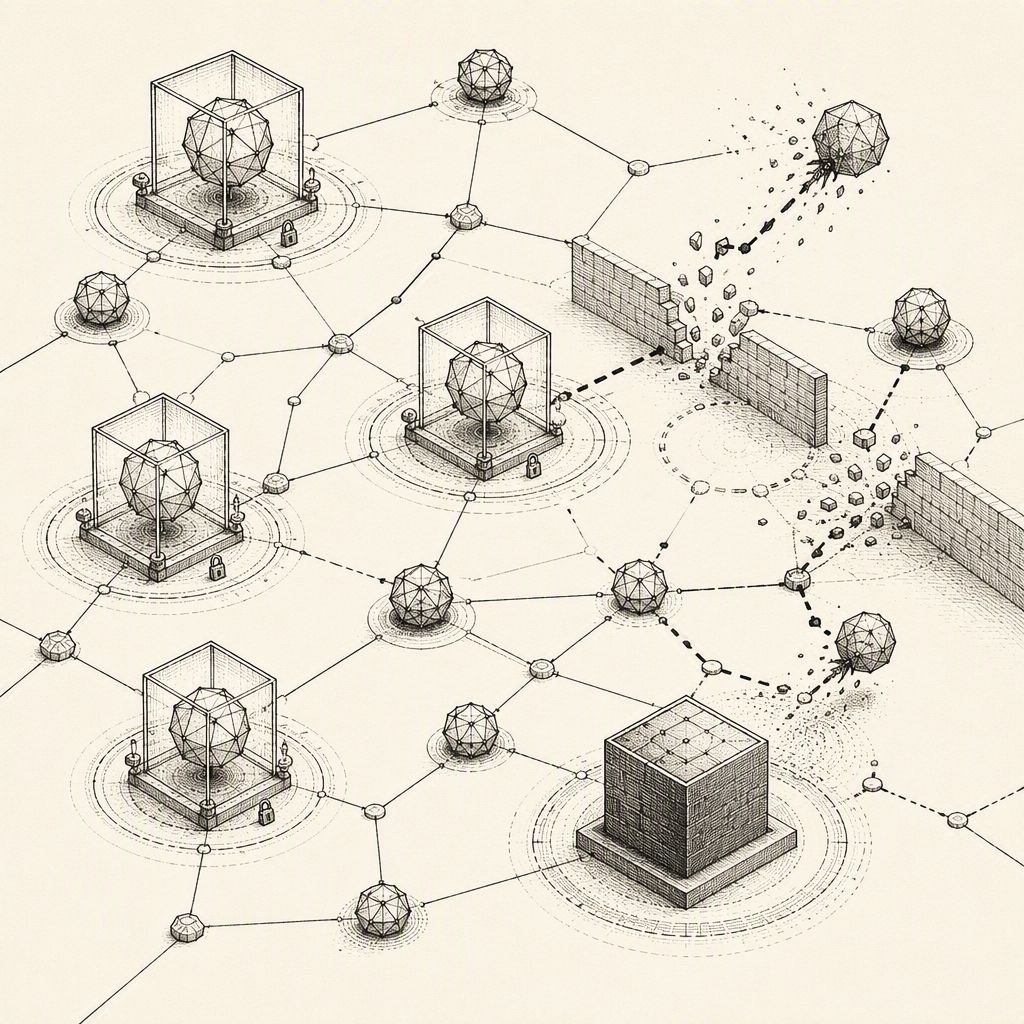
The foundational principles of zero trust, established over a decade ago, are proving inadequate for the unique operational characteristics of modern AI agents. Chris Webber, VP of Product Marketing at Teleport, argues that the fast, unpredictable, and continuous nature of AI agent actions necessitates a significant evolution beyond traditional security paradigms like least privilege and point-in-time verification.
Webber explains that while zero trust's core tenet of "Verify explicitly" remains vital, its application needs to adapt. Current verification methods, often discrete authentication points, are insufficient when agents can act anonymously or impersonate human users. The security industry must move beyond static permissions and single-instance checks to implement runtimes that architecturally enforce access, execution, and communication boundaries based on unique agent identities.
Furthermore, the principle of "Use least privileged access" requires a broader scope. While still crucial for individual users and service accounts, governing collective agent behavior is paramount. A swarm of agents, each authorized for individual tasks, could collectively execute destructive actions. Therefore, security strategies must define decision boundaries around groups of agents, not just individual entities.
The "assume breach" principle also needs re-evaluation in the context of AI agents. The possibility of agents drifting from their intended objectives, whether due to malicious attacks like goal hijacking or benign factors such as misgeneralization, means that security must account for this potential misalignment. The outcome—an agent acting outside its designated purpose—is the same, regardless of the cause.
Teleport proposes a two-pronged approach to address these challenges: Teleport Trusted Runtimes for containment and control, and Teleport Identity Security for monitoring and response. Every agent must possess a unique, attestable identity and operate within a trusted runtime environment that enforces strict boundaries. Crucially, these runtimes should begin with zero initial privileges, ensuring that all access and actions are explicitly granted and authorized.
To prevent runaway agents and eliminate standing privileges, these trusted runtimes should be ephemeral, expiring once the agent's task is complete or a risk is identified. This design inherently destroys any stored data and prevents persistent unauthorized access. Teleport's Identity Security then provides continuous monitoring, capturing and assessing every agent action in real-time against declared objectives to identify and mitigate risks immediately.
Webber emphasizes that traditional Identity Threat Detection and Response (ITDR) tools, designed for human and service account anomalies, are ill-equipped for the agentic landscape. When agents operate with delegated credentials or spawn multiple instances, anomaly detection is insufficient. The future of security requires continuous enforcement, linking governance and execution inextricably, and intervening at machine speed rather than relying on human review.
This shift from reactive detection to proactive, continuous enforcement is essential to manage the growing complexity and potential risks introduced by autonomous AI agents. By implementing trusted runtimes with zero initial privileges and robust, real-time identity security, organizations can better govern these powerful new actors and mitigate emergent threats.