
Zero-Day Response Strains Under Pressure: Kiteworks and Citrix Incidents Highlight Vendor Challenges
Recent incidents involving Kiteworks and Citrix underscore the significant difficulties vendors face in responding to zero-day exploits, from customer communication to patch deployment.
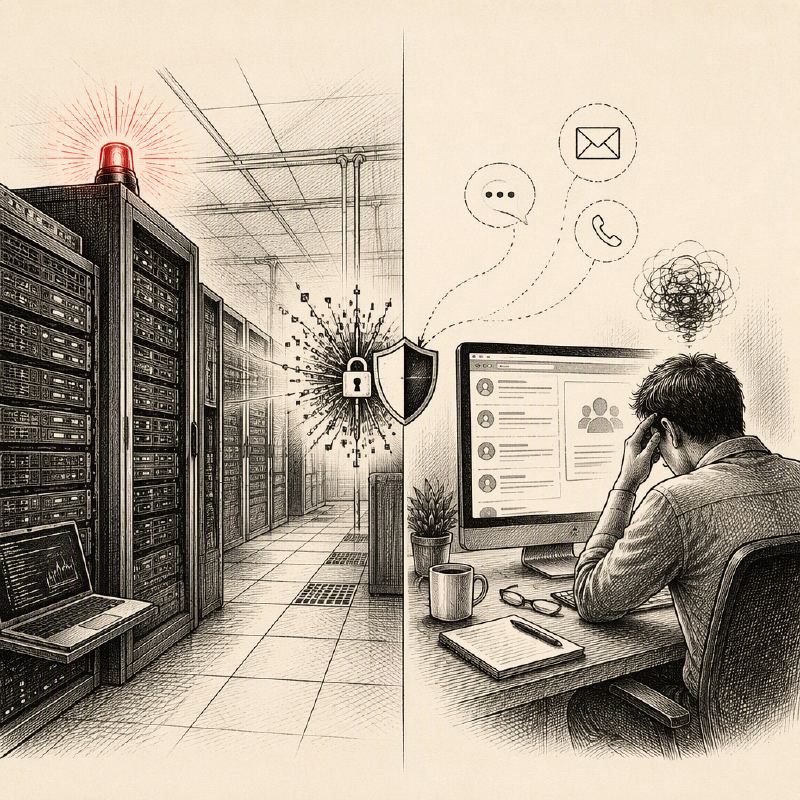
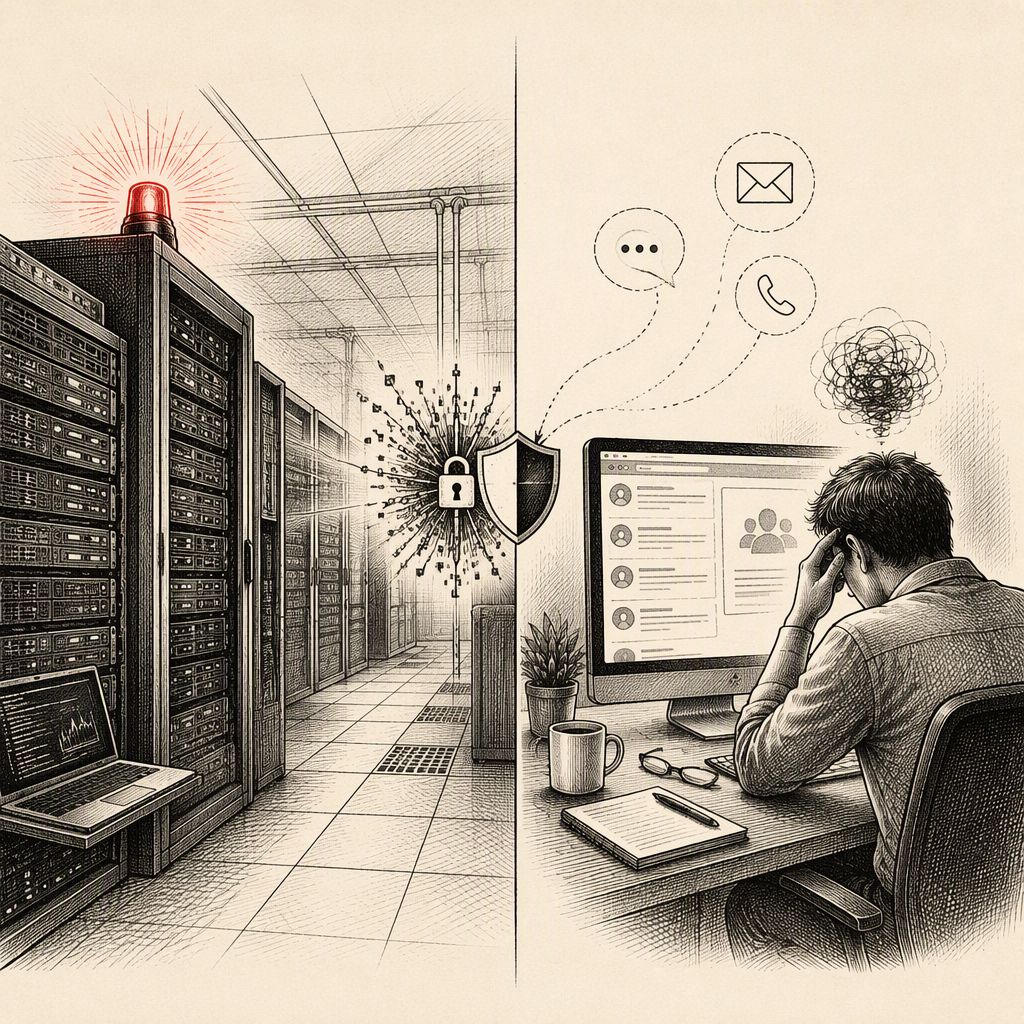
The cybersecurity landscape is constantly evolving, with zero-day vulnerabilities posing a persistent threat to organizations worldwide. When these previously unknown flaws are discovered and exploited in the wild, the pressure on vendors to respond swiftly and effectively is immense. Recent incidents involving Kiteworks and Citrix Inc. serve as stark case studies, illustrating the complex challenges inherent in managing and mitigating zero-day attacks.
In one notable case, Kiteworks, a provider of secure file sharing and data protection solutions, faced an active exploit of a zero-day vulnerability within its platform. The company's response was drastic: it advised its customers to completely shut down the platform for a nine-hour period. This extreme measure, while potentially effective in halting ongoing exploitation, highlights the severity of the threat and the difficult decisions vendors must make when customer data and system integrity are at immediate risk. The need for such drastic action points to the potential for widespread impact and the limited options available when a zero-day is actively being weaponized.
Simultaneously, Citrix Inc. found itself under scrutiny for its handling of a zero-day vulnerability affecting its products. Reports indicate that the company faced criticism for what some perceived as delayed communication and a slow patching process following the discovery of the exploit. While vendors often grapple with the technical complexities of developing and testing patches, the speed at which information is disseminated to customers and the urgency of the fix are critical factors in minimizing damage. The Citrix situation suggests that even established technology providers can struggle with the communication and coordination required during a zero-day crisis.
These incidents collectively reveal a common thread: the immense pressure placed on vendors during zero-day events. The technical challenge of identifying, analyzing, and patching a vulnerability that no one knew existed is compounded by the need for clear, timely, and transparent communication with a diverse customer base. Customers, in turn, must be prepared to act decisively on vendor advisories, often facing operational disruptions as a consequence of the vulnerabilities and their remediation.
The response to zero-day threats is not merely a technical exercise; it is a critical component of customer trust and business continuity. When a vendor's product is compromised, the impact can ripple through an organization, affecting operations, data security, and reputation. The ability of a vendor to provide accurate threat intelligence, deploy effective patches, and offer clear guidance during such events is paramount.
Furthermore, the incidents underscore the importance of robust incident response planning for both vendors and their customers. For vendors, this includes having well-defined protocols for vulnerability disclosure, patch development, and customer communication. For customers, it means having the agility to implement emergency measures, such as system shutdowns or expedited patching, when advised.
The ongoing battle against zero-day exploits necessitates a collaborative approach. Vendors must continue to invest in proactive security measures and rapid response capabilities, while customers must remain vigilant, informed, and prepared to act swiftly. The challenges highlighted by the Kiteworks and Citrix incidents serve as a crucial reminder that the defense against unknown threats requires constant adaptation and a commitment to transparency from all parties involved.