
Zero-Day Deserialization Vulnerability in DeepSpeed Allows Remote Code Execution
A critical deserialization vulnerability in Microsoft's DeepSpeed library, ZDI-26-1063, allows remote attackers to execute arbitrary code on affected systems.
A significant security flaw has been identified in Microsoft's DeepSpeed library, a popular framework for optimizing large-scale deep learning models. The vulnerability, tracked as ZDI-26-1063, allows remote attackers to execute arbitrary code on systems utilizing affected versions of the software.
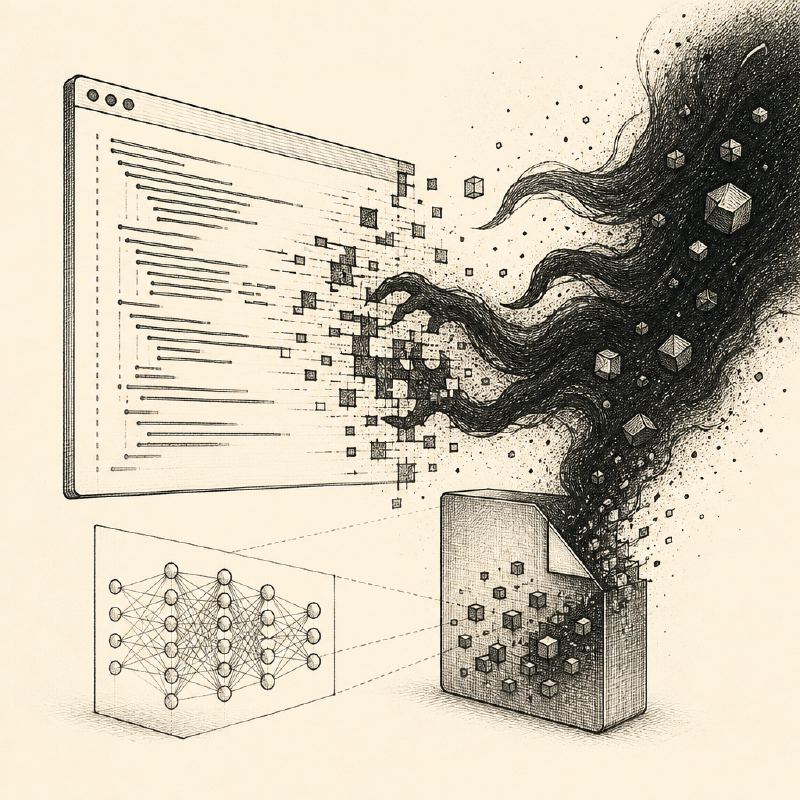
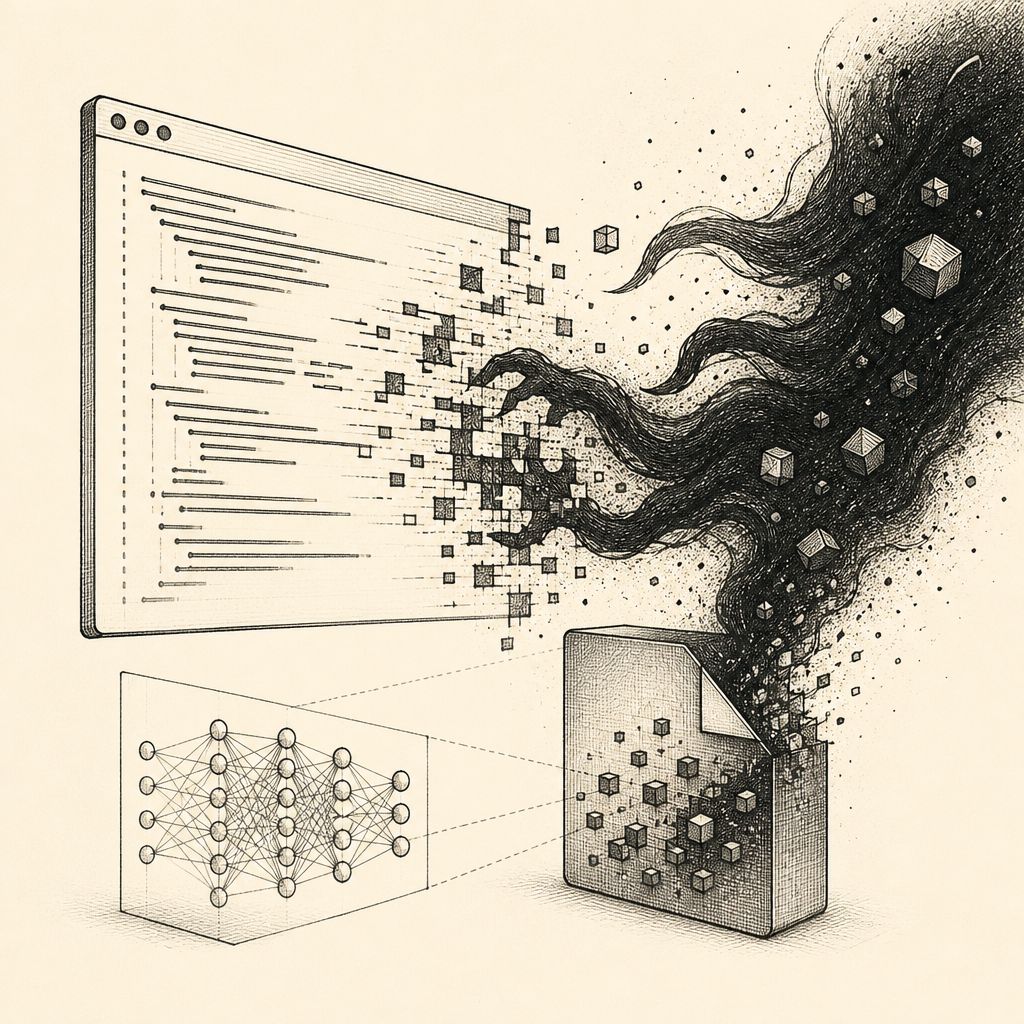
The core of the issue lies within the parse_optim_states function, which is responsible for parsing checkpoint data. Researchers at the Zero Day Initiative discovered that this function fails to properly validate user-supplied data. This lack of validation enables a deserialization attack, where an attacker can craft malicious data that, when processed by DeepSpeed, leads to the execution of arbitrary code within the context of the current process.
Exploitation of this vulnerability requires user interaction. Attackers must trick a user into visiting a malicious web page or opening a specially crafted file that contains the malicious checkpoint data. Once the user interacts with the malicious content, the DeepSpeed library processes the data, triggering the deserialization flaw and allowing the attacker to gain control.
The Zero Day Initiative has assigned this vulnerability a CVSS score of 7.8, indicating a high severity. While the exact impact can vary depending on the system's configuration and the privileges of the DeepSpeed process, the ability to execute arbitrary code remotely poses a substantial risk to data integrity, system availability, and confidentiality.
Details of the vulnerability were first reported to the vendor via GitHub on May 7, 2026. Following a standard disclosure timeline, including requests for updates and acknowledgments, the Zero Day Initiative announced its intention to publish the advisory on November 19, 2026, leading to the coordinated public release on November 24, 2026.
Given the nature of this deserialization vulnerability, which relies on the processing of untrusted data, the most effective mitigation strategy is to strictly limit user interaction with potentially malicious files or web pages. Users should exercise extreme caution and ensure that any data loaded into DeepSpeed originates from trusted sources.
This vulnerability highlights the ongoing challenges in securing complex software libraries, particularly those dealing with data serialization and deserialization. As AI and machine learning models become more integrated into critical infrastructure, the security of the underlying frameworks, such as DeepSpeed, becomes paramount. The discovery and disclosure of such zero-day flaws underscore the importance of proactive security research and timely patching by software vendors.