
Xsolis Hack Affecting 1.4M Raises AI Vendor Risk Concerns
A Tennessee-based AI healthcare vendor is notifying nearly 1.4 million individuals of a data breach, spotlighting growing supply-chain risks from AI technology vendors.

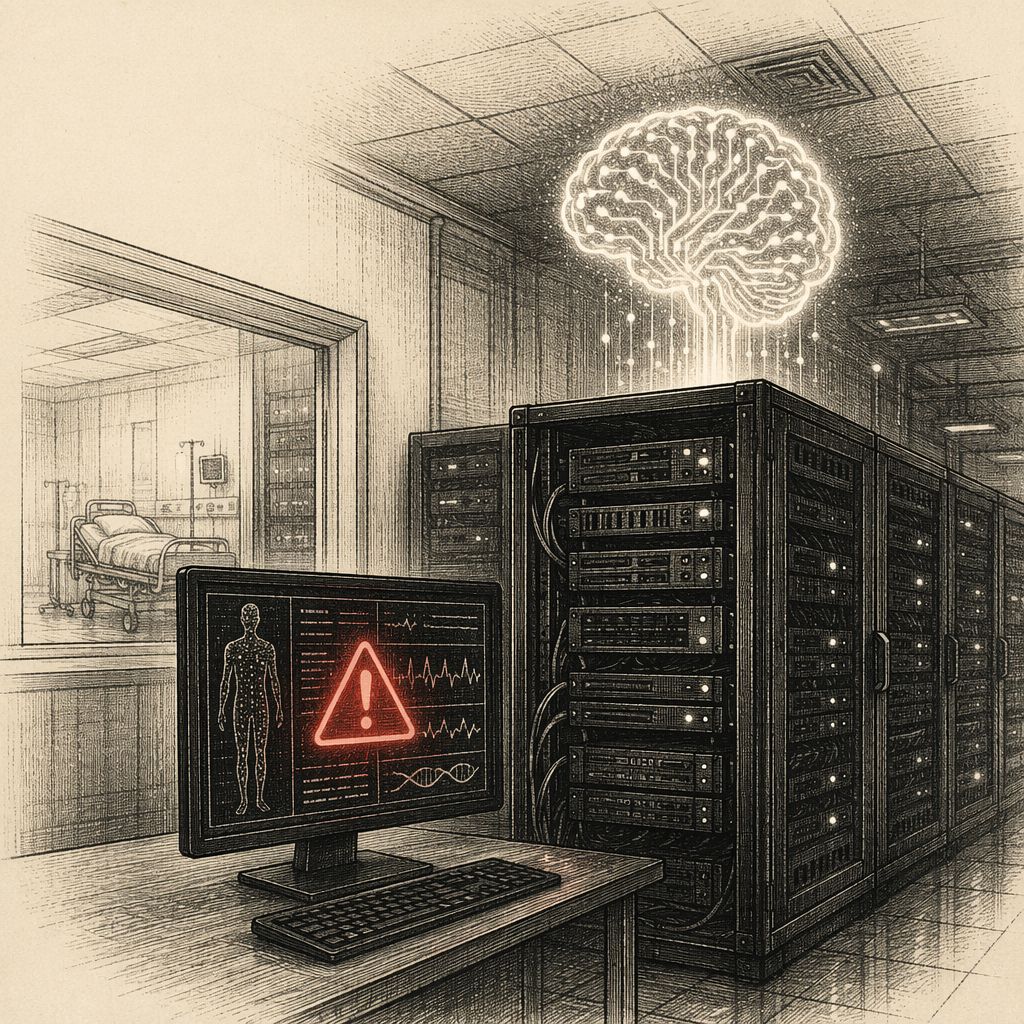
A Tennessee-based vendor of AI-powered business decision support software for healthcare providers and insurers is notifying nearly 1.4 million people that their information was compromised in a recent hack. The incident, disclosed by Xsolis, underscores the growing cybersecurity risks posed by AI technology vendors in the healthcare sector, where sensitive patient data is increasingly processed by third-party artificial intelligence systems.
Xsolis, which provides AI-driven utilization management and clinical decision support tools to hospitals and health plans, said the breach involved unauthorized access to its systems. The company began sending notification letters to affected individuals on June 23, 2026, warning that personal information including names, Social Security numbers, medical record numbers, and health insurance details may have been exposed. The exact date of the intrusion and the method of initial access have not been publicly detailed.
The breach highlights a broader vulnerability in healthcare's rapid adoption of AI tools. As hospitals and insurers integrate AI vendors into critical workflows — from prior authorization to discharge planning — they often grant these vendors deep access to protected health information. Security experts warn that many healthcare organizations lack robust AI governance frameworks to vet the security posture of such vendors, creating a significant supply-chain attack surface.
"The Xsolis breach is a wake-up call for the healthcare industry," said Dr. Elena Martinez, a healthcare cybersecurity researcher at the University of Texas. "AI vendors are being treated as trusted extensions of the enterprise, but their security practices are not always held to the same standard as the healthcare organizations themselves. This incident will likely accelerate calls for stricter oversight and third-party risk management requirements."
Healthcare organizations are particularly vulnerable to supply-chain attacks because of the complexity of their IT environments and the sensitivity of the data involved. The Xsolis incident follows a pattern of breaches at healthcare technology vendors, including the 2024 Change Healthcare ransomware attack that disrupted pharmacy and payment systems nationwide. In that case, a single compromised vendor caused cascading outages across thousands of providers.
In response to the breach, Xsolis said it has engaged external cybersecurity experts, notified law enforcement, and implemented additional security measures. The company is offering affected individuals complimentary credit monitoring and identity theft protection services. However, the incident has already prompted calls from industry groups for the Department of Health and Human Services to issue updated guidance on AI vendor risk assessments.
The breach also raises questions about the security of AI models themselves. While Xsolis has not indicated that its AI algorithms were compromised, experts note that attackers who gain access to training data or model parameters could potentially reverse-engineer proprietary decision-making logic or inject biases. "The data breach is bad enough, but if the AI models were tampered with, the consequences could be far more insidious," said Martinez.
As healthcare organizations continue to invest in AI for cost savings and improved patient outcomes, the Xsolis breach serves as a stark reminder that innovation must be balanced with security. The incident is likely to accelerate regulatory scrutiny of AI vendors in healthcare and push organizations to demand greater transparency and security assurances from their technology partners.