
Xen Hypervisor Vulnerabilities Allow VM Memory Access
Two critical flaws in the Xen hypervisor enable a malicious virtual machine to read and write the memory of other VMs, including the privileged dom0.
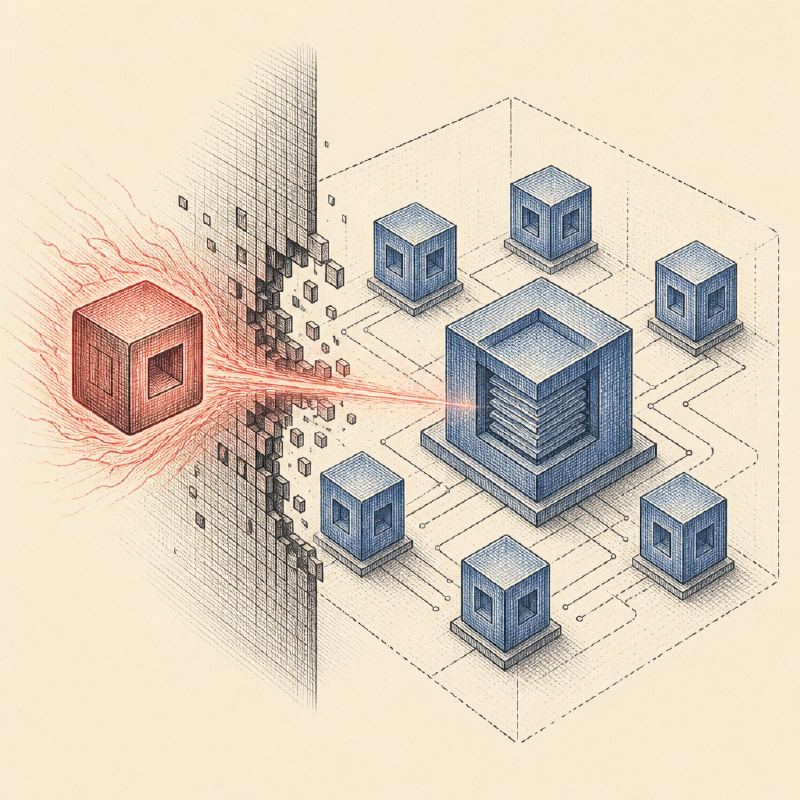
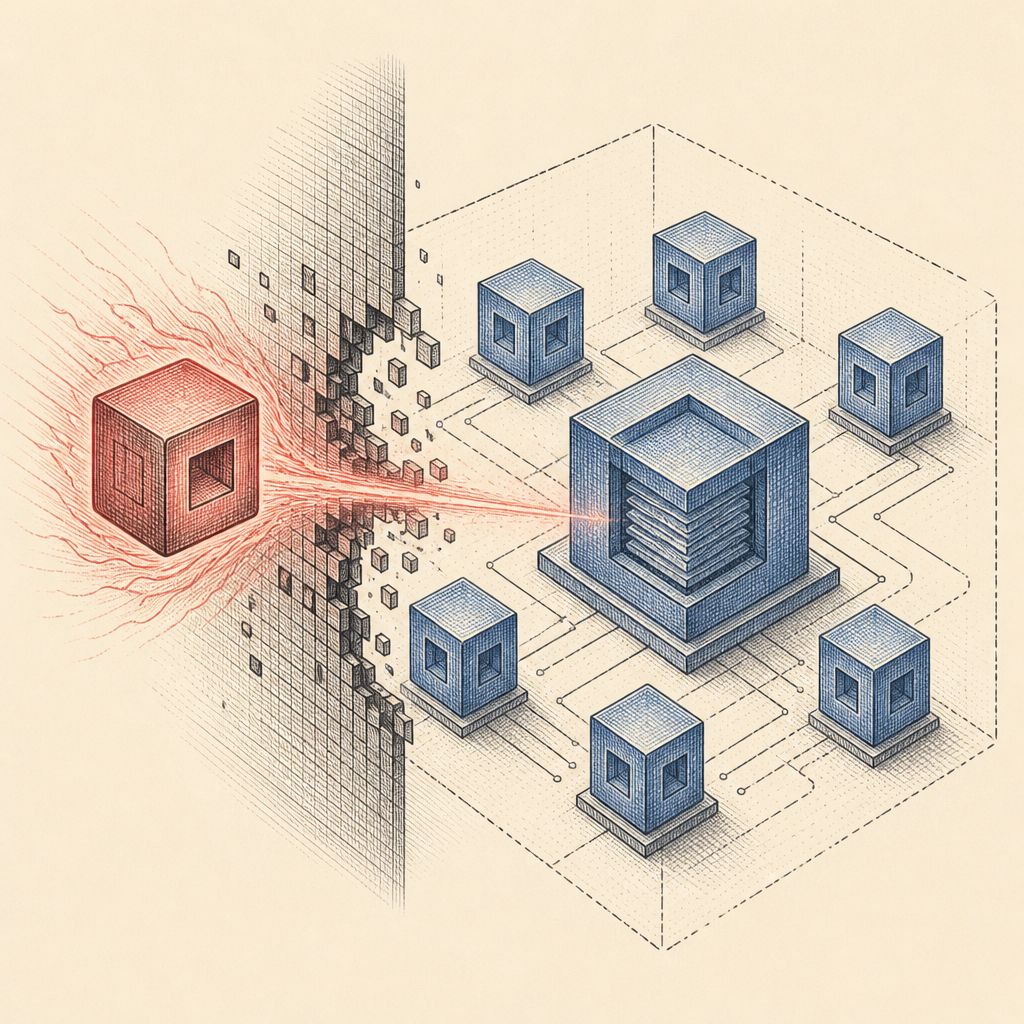
Two significant vulnerabilities, tracked as CVE-2026-102703 and CVE-2026-102704 under Xen advisory XSA-523, have been discovered in the Xen hypervisor. These flaws allow a compromised guest virtual machine (VM) to gain unauthorized access to the memory of other VMs running on the same host, including the highly sensitive dom0 VM. Dom0, by default, holds administrative privileges and manages all other virtual machines, making its compromise a critical security event.
The vulnerabilities were identified by AI company Anthropic, utilizing its Claude model, and subsequently validated by Stephan Lipp of Ada Logics. The CodeAnt AI Security Research Team independently reported the same issues, underscoring their severity. The flaws reside within Xen's "grant copy" mechanism, a process used for efficiently copying data between VMs. Xen reuses permission checks for batches of copies within the same memory page to improve performance. However, in certain scenarios, it failed to re-verify these permissions, creating an exploitable condition that permits a malicious guest to read or write memory it should not have access to.
The impact of these vulnerabilities is substantial. XCP-ng, an open-source virtualization platform based on Xen, warned that a single compromised guest could potentially "break out of its isolation and take over the whole host." While the Xen Project's advisory does not detail specific exploitation attempts or required access levels within a VM, the potential for a complete host takeover is a grave concern for cloud providers and organizations relying on Xen for virtualization.
Several security-focused operating systems and platforms built upon Xen are affected. Qubes OS, a security-hardened desktop operating system that compartmentalizes applications using Xen-based "qubes," confirmed that all supported releases and configurations are impacted. The project has released a fix for its Qubes 4.3 release, the only version currently under active support.
The Xen Project has released patches for Xen versions ranging from unstable to 4.19.x, and for 4.18.x to 4.17.x. However, for older, still-supported versions like Xen 4.6 through 4.16, no patches are currently available, as Xen 4.16's security support concluded in December 2024. This leaves a significant portion of existing Xen deployments vulnerable until vendors integrate the necessary fixes or users can upgrade to newer, patched versions.
Specific platforms have issued updates and guidance. XCP-ng 8.3 received an update (xen-4.17.7-4.2.xcpng8.3) on November 3, requiring hosts to be rebooted, and is rated as "Critical" by Vates. Qubes OS 4.3 has updated its Xen packages, but users must restart dom0, and those using Anti Evil Maid need to reseal their passphrase due to changes in Xen binaries affecting PCR18 and PCR19.
Other distributions are also addressing the vulnerability. Debian's security tracker lists the xen package as vulnerable in its bookworm, trixie, and forky releases, while the sid (unstable) branch has been fixed. Users of affected Debian versions should monitor for upcoming security updates.
These "grant copy" flaws are distinct from XSA-500, a similar vulnerability disclosed by Xen on July 28, which also involved issues with data copying between VMs. The Xen Project advises all users of affected versions to apply the available patches as soon as possible and to monitor for updates from their specific virtualization platform vendors.