
Wine Fraud Evolves to Target Digital Provenance Platforms
Counterfeiters are shifting their focus from physical bottles to the digital data underpinning wine authenticity, posing new cybersecurity challenges for the industry.
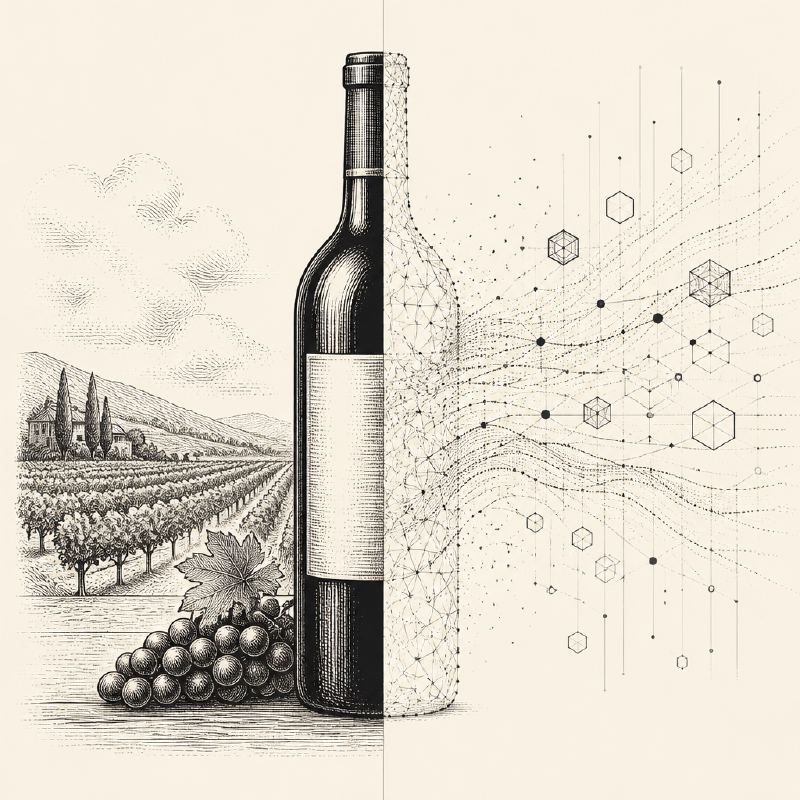
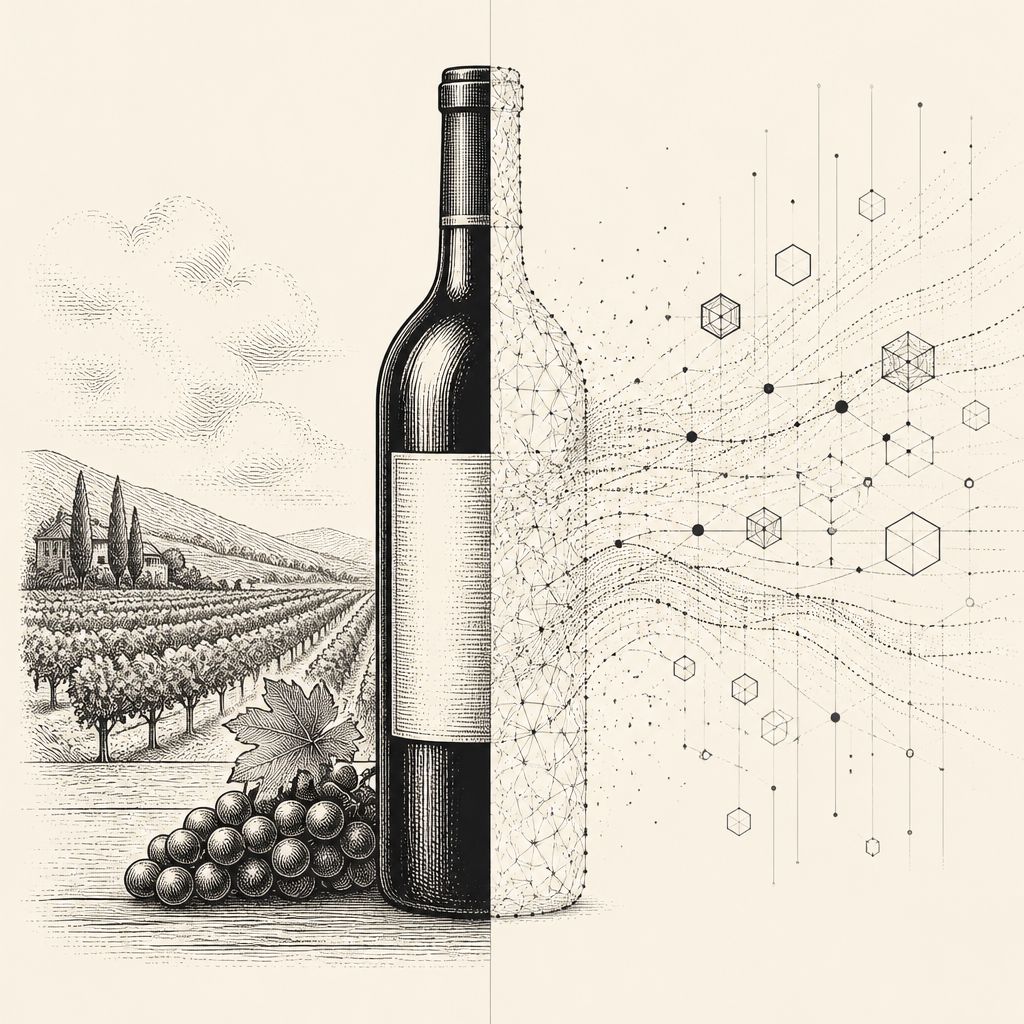
Wine fraud, long characterized by the physical alteration of bottles and labels, is entering a new era where the primary target is no longer the fermented grape but the digital information that authenticates it. As the wine industry increasingly relies on digital provenance platforms to verify a product's origin, vintage, and producer, cybercriminals are finding new avenues to exploit these systems. This shift means that the integrity of data, rather than the physical bottle, is becoming the critical battleground for maintaining trust in the wine market.
Traditionally, wine fraud involved replacing the contents of an authentic bottle, replicating labels, and misrepresenting regional origins. While these methods persist, the advent of digital supply chains and authentication platforms has introduced a novel attack surface. These systems, which include export records, label registries, and blockchain-based provenance trackers, now sit between the consumer and the claimed authenticity of a wine. The core cybersecurity challenge arises when these digital records can be compromised, allowing counterfeiters to effectively rewrite a wine's identity without physically tampering with the bottle itself.
Estimates of global wine fraud vary widely, with some sources suggesting that up to one in five bottles may be counterfeit, costing the industry billions annually. However, accurately measuring the scale of wine fraud is inherently difficult due to the clandestine nature of these operations. A 2022 analysis by Recorded Future identified over 93 million bottles linked to publicly reported counterfeit cases between January 2020 and June 2022, highlighting the significant, albeit often hidden, economic impact. These incidents can range from industrial-scale operations producing fake Protected Designation of Origin wines to more targeted attacks on luxury vintages.
The economic value of wine is intrinsically linked to its descriptive information. Factors such as geographical indication, vintage year, grape varietal, and producer identity can dramatically influence a wine's price. When digital systems are responsible for substantiating these claims, their security becomes paramount. Compromising these systems allows fraudsters to manipulate genuine records, assign false batches to legitimate producers, alter destination markets, duplicate serial identifiers, or copy authentication metadata from authentic products, thereby undermining the entire trust infrastructure.
Regulatory bodies and industry organizations are beginning to recognize this evolving threat. For instance, Wine Australia employs systems like the Export Label Image Search System (ELISS) and the Label Integrity Program to combat fraud and brand infringement. These initiatives use digital records to verify claims about vintage, variety, and geographical indication, creating a layer of digital trust. However, as with any digital infrastructure, the question of how to secure and trust these systems themselves becomes critical.
The implications of this digital pivot in wine fraud are far-reaching. It necessitates a strategic shift for cybersecurity teams within the wine sector, moving beyond traditional physical security measures to robust digital defenses. Protecting the integrity of provenance data requires implementing strong access controls, encryption, regular security audits, and continuous monitoring of digital platforms. The focus must be on safeguarding the data that underpins the value and authenticity of wine, ensuring that the digital records are as trustworthy as the physical product they represent.
As the wine industry continues to embrace digital transformation, the threat landscape for fraud will undoubtedly evolve. The challenge lies in staying ahead of sophisticated adversaries who are adept at exploiting technological vulnerabilities. By prioritizing cybersecurity within their data management and provenance systems, wine producers, distributors, and regulators can work to preserve the integrity of the global wine market and protect consumers from increasingly sophisticated forms of deception.