
White House Declares National Emergency to Block Chinese Access to US Power Grid Equipment
An executive order aims to secure the U.S. bulk electric power market's supply chain against adversary nations, including China, citing risks of backdoors in critical infrastructure.
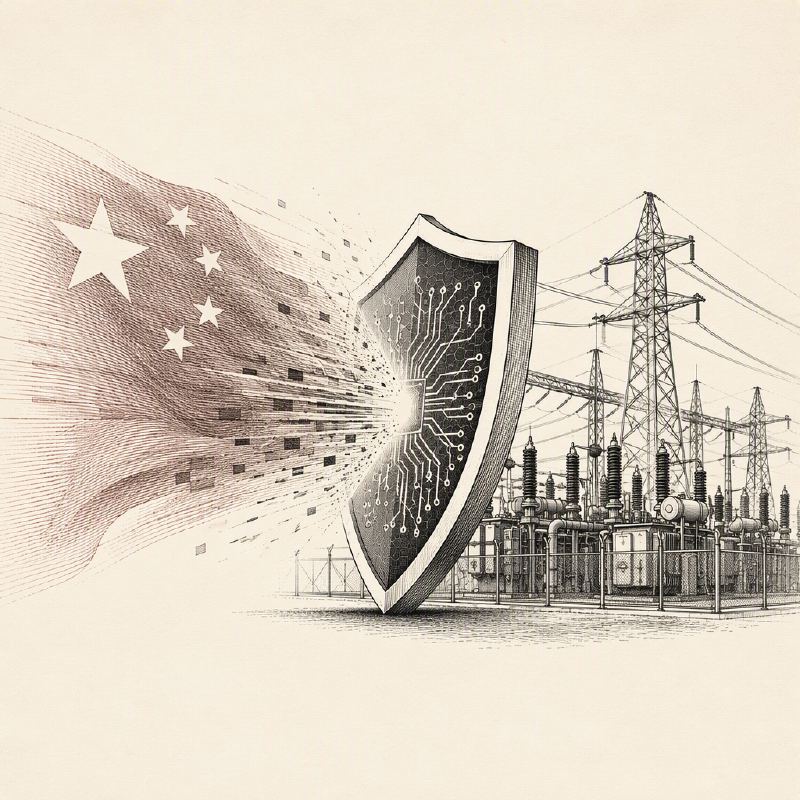
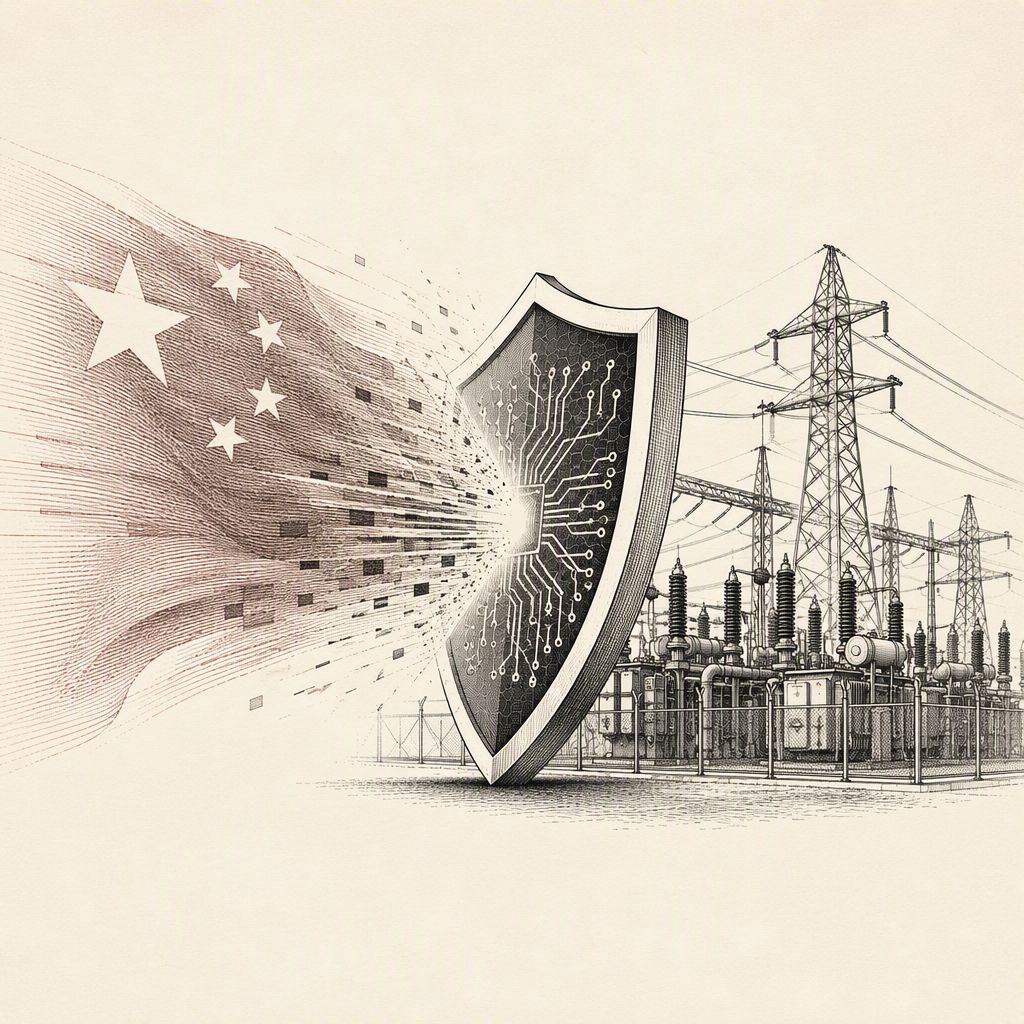
The White House has declared a national emergency through an executive order aimed at preventing adversary nations, specifically naming China, from accessing the U.S. bulk electric power market's equipment supply chain. This decisive action seeks to mitigate the significant risks posed by potential backdoors and vulnerabilities embedded within critical infrastructure components.
The order introduces a new layer of regulatory uncertainty for the energy sector, a move that comes at a particularly challenging time. The nation is experiencing spiking electricity demand, driven by the burgeoning power needs of data centers and exacerbated by severe weather events linked to climate change. The confluence of these factors places immense pressure on the existing power infrastructure.
While the executive order does not explicitly name specific technologies or vendors, it empowers the Secretary of Energy to prohibit any acquisition, importation, transfer, or installation of electric equipment by foreign adversaries. This broad authority allows for a comprehensive approach to securing the supply chain, addressing potential threats that could compromise the stability and security of the nation's power grid.
The administration's concern stems from the potential for compromised equipment to introduce vulnerabilities that could be exploited for espionage, sabotage, or disruption. The inclusion of China in the order highlights long-standing geopolitical tensions and cybersecurity concerns surrounding the nation's technological capabilities and alleged state-sponsored cyber activities.
Industry stakeholders are now tasked with navigating the new regulatory landscape, which will likely involve increased scrutiny of equipment sourcing and supply chain management. The Department of Energy is expected to issue further guidance and regulations to implement the executive order, providing more clarity on compliance requirements for energy companies.
This initiative aligns with broader governmental efforts to bolster the security and resilience of critical infrastructure against evolving cyber threats. By proactively addressing supply chain risks, the U.S. aims to safeguard its essential services and maintain energy independence in an increasingly complex geopolitical environment.
The long-term implications of this executive order could include a significant shift in the global market for power grid equipment, potentially encouraging domestic manufacturing and diversification of supply sources. The energy sector will need to adapt to these changes to ensure both security and operational continuity.