
WhatsApp Introduces On-Device Scam Alert Feature Using AI
WhatsApp is rolling out an optional 'Scam Alert' feature that uses on-device machine learning to detect and warn users about scam messages without compromising privacy or end-to-end encryption.
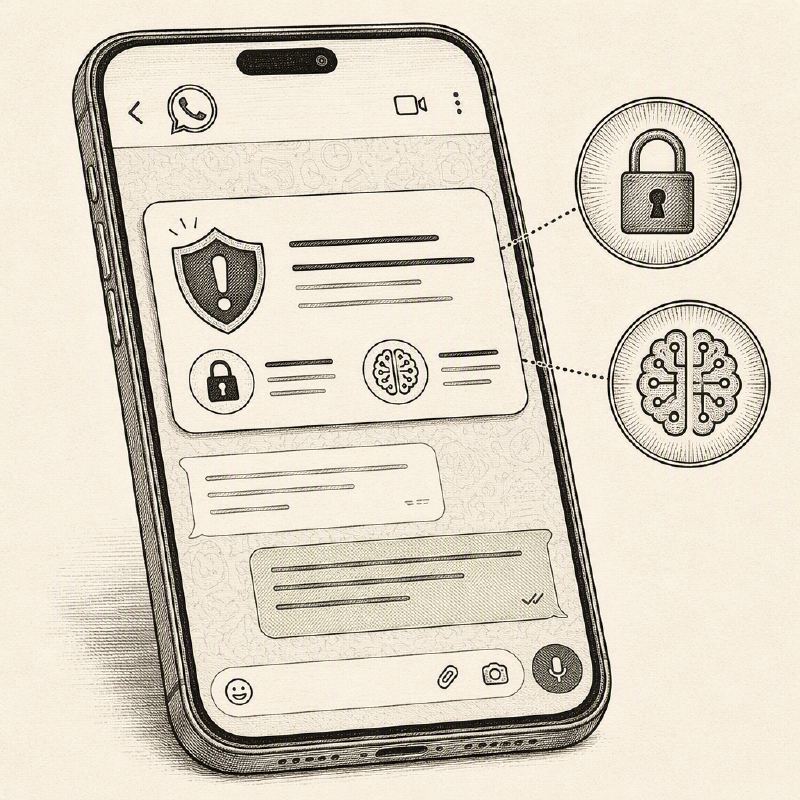
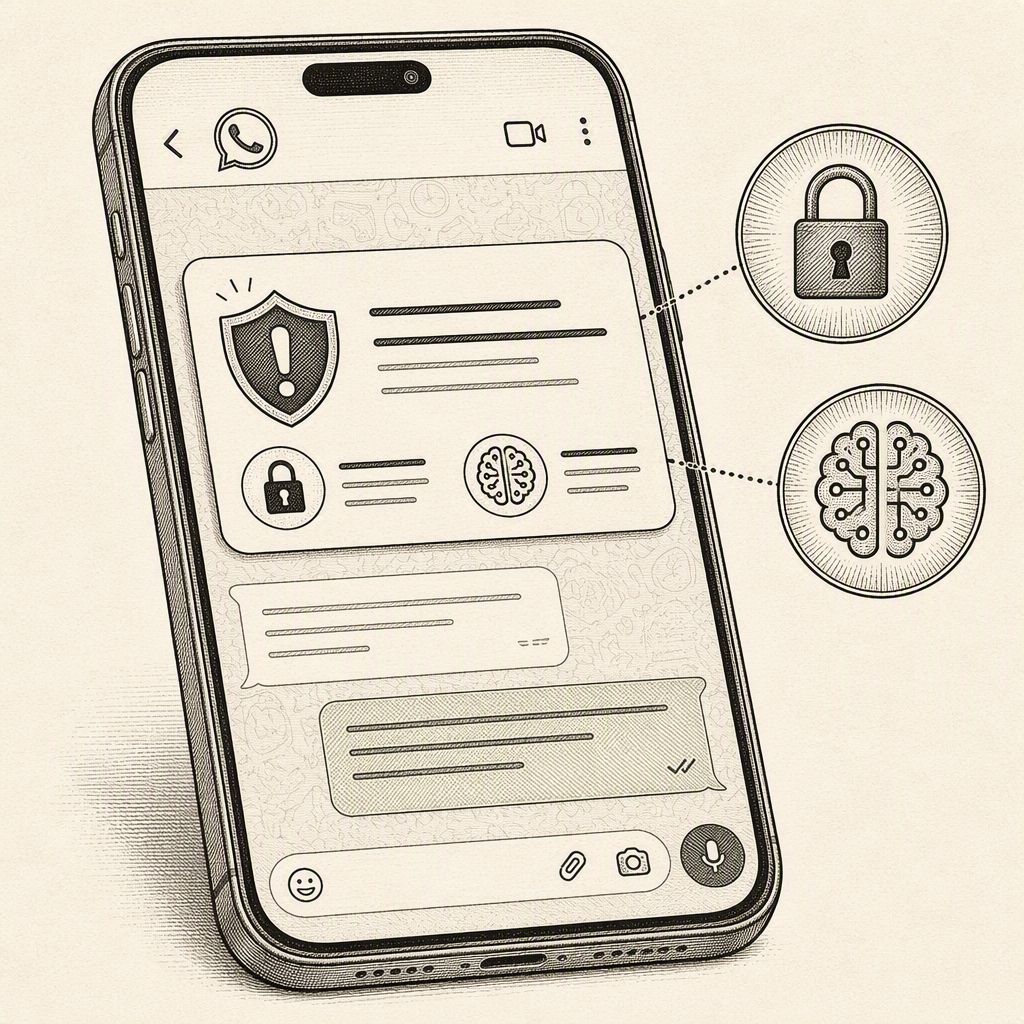
WhatsApp is enhancing user security with the introduction of an optional feature called Scam Alert, designed to proactively identify and warn users about potential scam messages. This new tool leverages on-device machine learning, ensuring that message content never leaves the user's device, thereby preserving the platform's end-to-end encryption.
The feature addresses the growing sophistication of social engineering tactics, which increasingly employ AI-generated lures. By analyzing conversational structure and linguistic patterns locally, Scam Alert aims to provide an early warning system against evolving threats. Users can choose to enable the feature, which then downloads a lightweight machine learning model directly to their smartphone.
Privacy is a cornerstone of Scam Alert. Message classification occurs entirely on the device, and no data is automatically reported to WhatsApp, Meta, or any third party. If the model identifies a message as a potential scam, a warning is displayed within the chat, visible only to the recipient. This allows users to decide whether to block the sender, report the message, continue the conversation, or mark it as trusted if they believe it was a false positive.
To gauge the effectiveness of Scam Alert without compromising user privacy, WhatsApp has developed a confidential federated analytics pipeline. This system utilizes Trusted Execution Environments (TEEs), specifically confidential virtual machines, to aggregate only anonymous performance metrics, such as the number of warnings shown and user actions taken. Differential privacy techniques are applied to these aggregated statistics before they reach Meta's servers, ensuring individual user data remains protected.
Addressing concerns about model integrity and potential manipulation, WhatsApp publishes every model version's SHA-256 hash to a third-party, append-only transparency ledger before deployment. This allows for independent verification of model authenticity. Furthermore, experiment group assignments for testing new model variants are handled on-device using local randomness, preventing any server-side steering of individual users towards specific models.
WhatsApp's threat model encompasses external attackers, malicious insiders, and compromised supply-chain vendors. Defenses include TEE code isolation, encrypted DRAM, and hardened CVMs, with strict limitations preventing even Meta engineers from accessing runtime shell access within the confidential computing environment. Users can also review their Scam Alert activity, including scanned messages and model versions used, through an in-app transparency log.
In a move to foster external trust and verification, WhatsApp is expanding its Bug Bounty program to include the model weights and the federated analytics pipeline. This invites security researchers to scrutinize the system and confirm its sole purpose is scam detection. The feature is initially rolling out in a limited beta, with plans for a wider release following extensive testing and community feedback.
This initiative reflects a broader industry trend where privacy-preserving AI features are increasingly paired with independently verifiable transparency mechanisms. WhatsApp intends to publish a detailed engineering white paper on the pipeline's design, building on its prior research in federated analytics, further underscoring its commitment to secure and transparent AI implementation.
This new article provides additional context on WhatsApp's "Scam Alert" feature, highlighting its on-device machine learning approach and its limitations, particularly concerning scams originating from compromised contacts. It also elaborates on user actions following a scam alert, such as blocking, reporting, or marking a chat as trusted, and offers further advice on staying safe from various scam tactics.