
Weekly Security Roundup: N-able, Windows, Chrome, and Smart Fridge Vulnerabilities Disclosed
This week saw a flurry of zero-day disclosures affecting N-able, Windows, Chrome, and even smart refrigerators, highlighting persistent security challenges across diverse technologies.
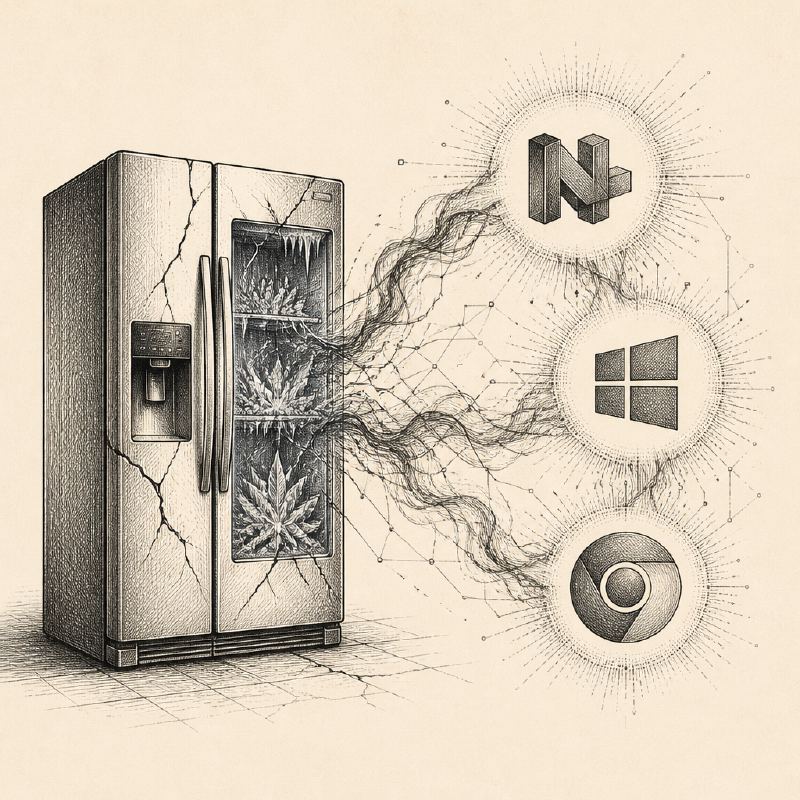
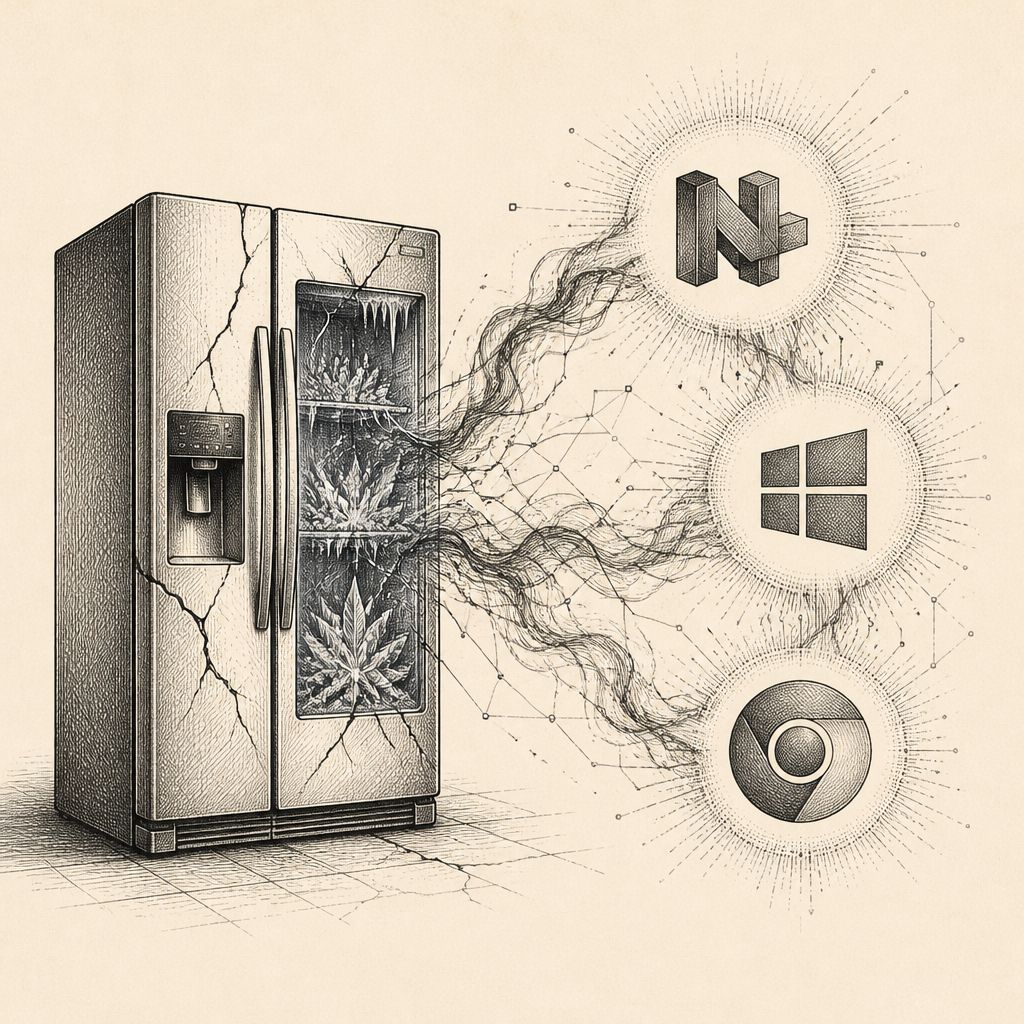
The cybersecurity landscape this week was dominated by a cascade of zero-day vulnerabilities affecting a wide array of technologies, from enterprise software to everyday smart devices. N-able, a provider of IT management solutions, was found to have critical zero-days that could allow attackers to gain elevated privileges and execute arbitrary code on managed systems. These vulnerabilities underscore the risks inherent in third-party software supply chains, where a compromise in one vendor can have widespread downstream effects on numerous businesses.
Microsoft Windows also faced scrutiny with the disclosure of new zero-day exploits. While specific details remain scarce, reports indicate these vulnerabilities could be leveraged for various malicious purposes, including privilege escalation and information disclosure. The ongoing discovery of Windows zero-days reinforces the need for continuous patching and robust endpoint security measures, as attackers consistently target the world's most ubiquitous operating system.
In the browser space, Google Chrome users were alerted to actively exploited zero-days, including a critical use-after-free vulnerability (CVE-2026-125350) that enabled remote code execution. Google has since released patches, but the fact that these flaws were exploited in the wild before being fixed emphasizes the race between defenders and attackers. Users are strongly advised to ensure their Chrome browsers are updated to the latest version to mitigate these risks.
Perhaps more surprisingly, even smart refrigerators were found to be vulnerable. Reports detailed how default passwords and insecure configurations on some smart appliances could be exploited, potentially allowing attackers to gain access to home networks or use these devices as entry points for further attacks. This highlights the growing attack surface presented by the Internet of Things (IoT) and the often-overlooked security implications of connected consumer devices.
Beyond specific product vulnerabilities, the week's news also touched upon broader security trends. The increasing sophistication of AI-driven attacks, the persistent exploitation of older vulnerabilities, and the challenges in securing complex IT environments were recurring themes. The rapid advancement of AI in cybersecurity, while offering defensive potential, also presents new avenues for attackers to discover and weaponize exploits more efficiently.
These diverse disclosures serve as a stark reminder that the threat landscape is constantly evolving. From critical enterprise infrastructure to the seemingly innocuous smart devices in our homes, no system is entirely immune to exploitation. The ongoing battle against zero-days and sophisticated attack techniques necessitates a multi-layered security approach, vigilant monitoring, and rapid response capabilities from both vendors and end-users alike.