
Weekly Cybersecurity Recap: North Korean Crypto Heist, Volt Typhoon's Silent Train, and ChatGPT Link Exploits
This week's cybersecurity landscape was dominated by a record-breaking North Korean crypto theft, Volt Typhoon's sophisticated 'Silent Train' network, and a critical flaw in ChatGPT's link-sharing feature.
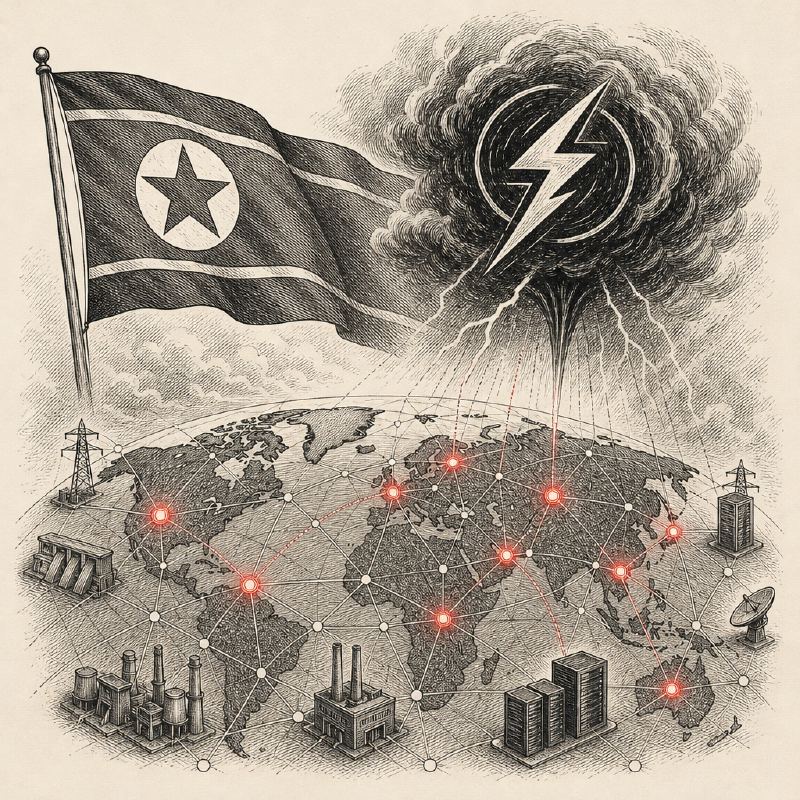
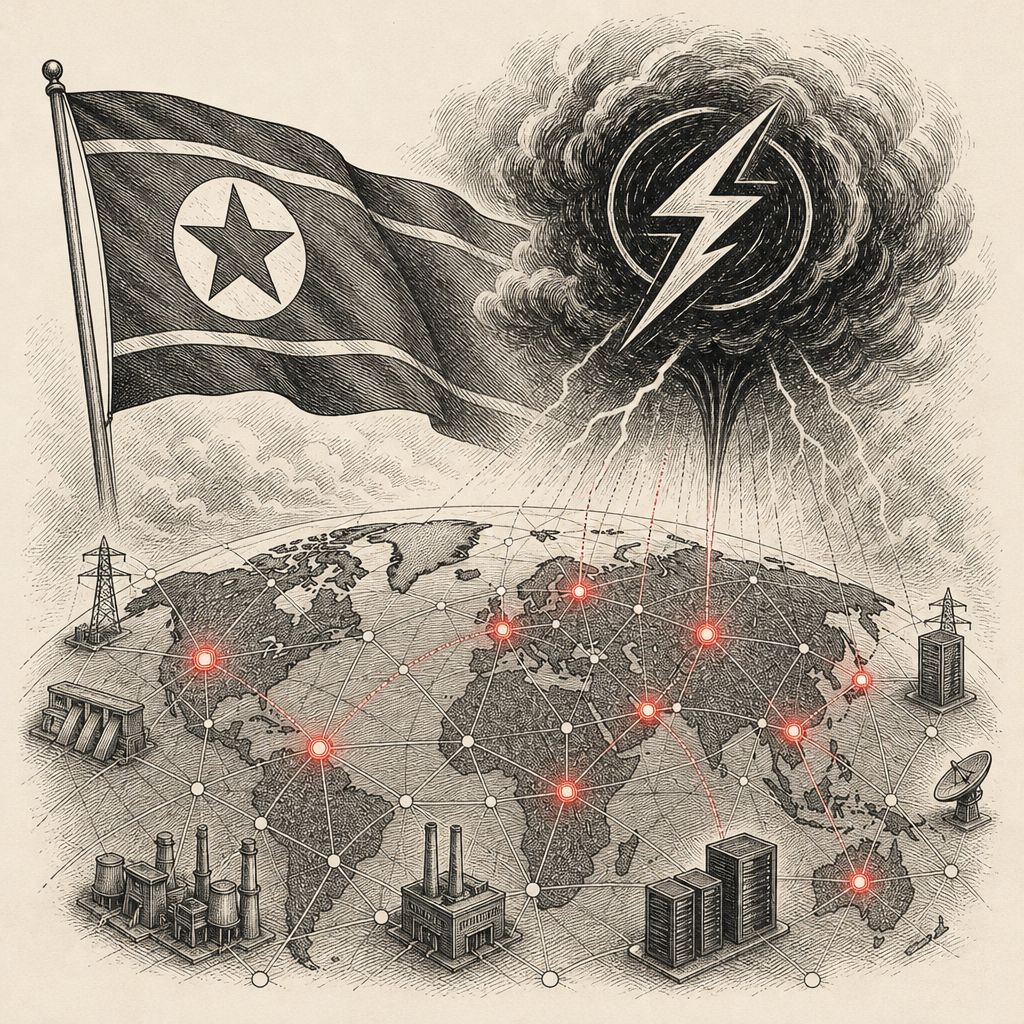
This week's cybersecurity recap paints a stark picture of both sophisticated state-sponsored operations and surprisingly simple vulnerabilities leading to significant breaches. The most staggering event is the U.S. Federal Bureau of Investigation's (FBI) official attribution of a colossal $6.43 billion virtual asset theft to the North Korean hacking group TraderTraitor. This heist shatters previous records, eclipsing the $1.46 billion stolen from Bybit earlier this year and marking the largest cryptocurrency theft in history. The funds were pilfered across 11 blockchains, with Ethereum and Bitcoin bearing the brunt of the losses. While a significant portion of the stolen assets, amounting to $2.85 billion, has been frozen by major stablecoin issuers and blockchain platforms, the sheer scale of the theft underscores the persistent threat posed by North Korean cybercriminal activities.
Adding to the geopolitical cyber threat landscape, the Chinese state-sponsored hacking group Volt Typhoon has been identified using a novel framework codenamed 'Silent Train.' This infrastructure relies on rapidly rotating chains of compromised devices, including SOHO, IoT, and enterprise endpoints, to mask the origin of its attacks and facilitate zero-day exploits. The group's deliberate targeting of strategic communications, critical infrastructure, and other vital systems, particularly in the Indo-Pacific region, suggests a long-term strategy of pre-positioning access for potential future geopolitical conflicts or crises. The covert nature and continuous refresh of this relay network make attribution and disruption exceptionally challenging.
On the software vulnerability front, a critical flaw in ChatGPT has been disclosed, turning ordinary share links into vectors for code execution. Researchers at Parameter Labs found that an attacker could craft a malicious conversation, share it via ChatGPT's standard feature, and have arbitrary JavaScript execute within the victim's authenticated session upon opening the link. This exploit could allow attackers to enumerate conversations, exfiltrate private data, and send sensitive information to external servers, highlighting the inherent risks in sharing content from authenticated web applications.
Further supply chain concerns emerged with the discovery of tampered versions of the Claude Code extension on the Cursor Marketplace. Two versions of the extension were found to install a persistent SSH backdoor on affected systems, impacting an estimated 5,000 users. While Cursor has taken steps to secure its marketplace and remove the malicious code, questions remain about how the threat actor managed to publish the malicious extension under Anthropic's name and the extent of their access. This incident adds to a growing list of supply chain attacks that leverage trusted software distribution channels to compromise end-users.
In other notable incidents, the prediction market platform Polymarket experienced a brief trading suspension after a third-party service, DebugBear, was compromised. Hackers injected cryptocurrency-draining JavaScript through DebugBear's compromised DNS records, leading to the loss of approximately $2.7 million from 33 wallets. This follows a similar third-party compromise at Polymarket in June, underscoring the persistent risks associated with relying on external service providers. The FBI also seized the domain of Virtualine, a bulletproof hosting provider implicated in facilitating criminal activities ranging from child exploitation material distribution to international money laundering, though the long-term effectiveness of such takedowns remains debated.
These diverse threats, from nation-state cyber warfare and massive cryptocurrency heists to subtle web application flaws and supply chain compromises, collectively illustrate the multifaceted and evolving nature of the cybersecurity landscape. The reliance on interconnected systems and the increasing sophistication of threat actors necessitate continuous vigilance and robust security practices across all sectors.