
Webinar Offers Strategies to Accelerate Vulnerability Exposure Assessment
A new webinar aims to help security teams rapidly determine their exposure to newly disclosed vulnerabilities, especially in an era of AI-driven threat discovery.
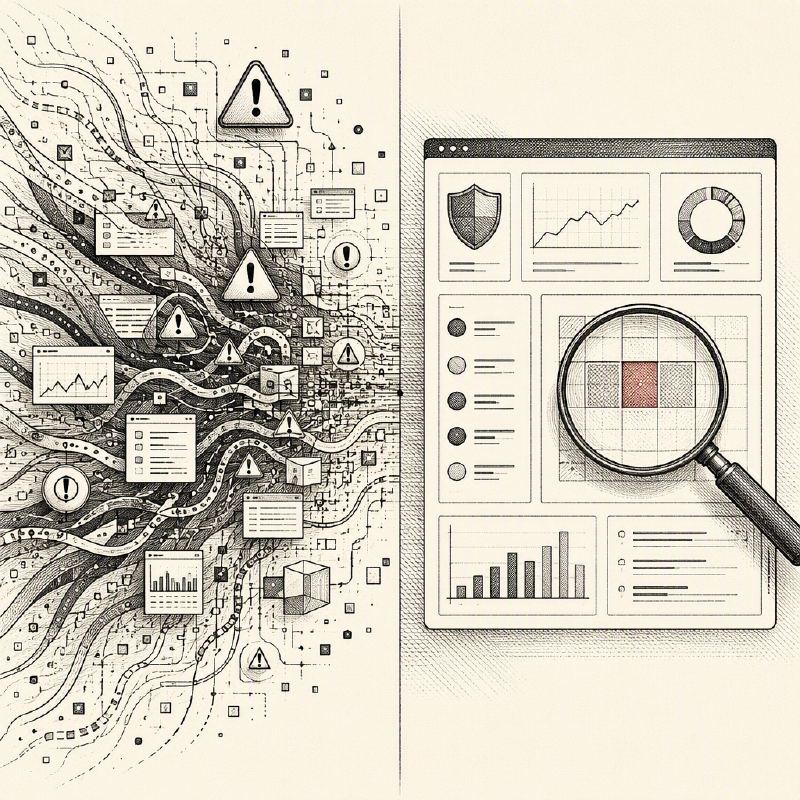
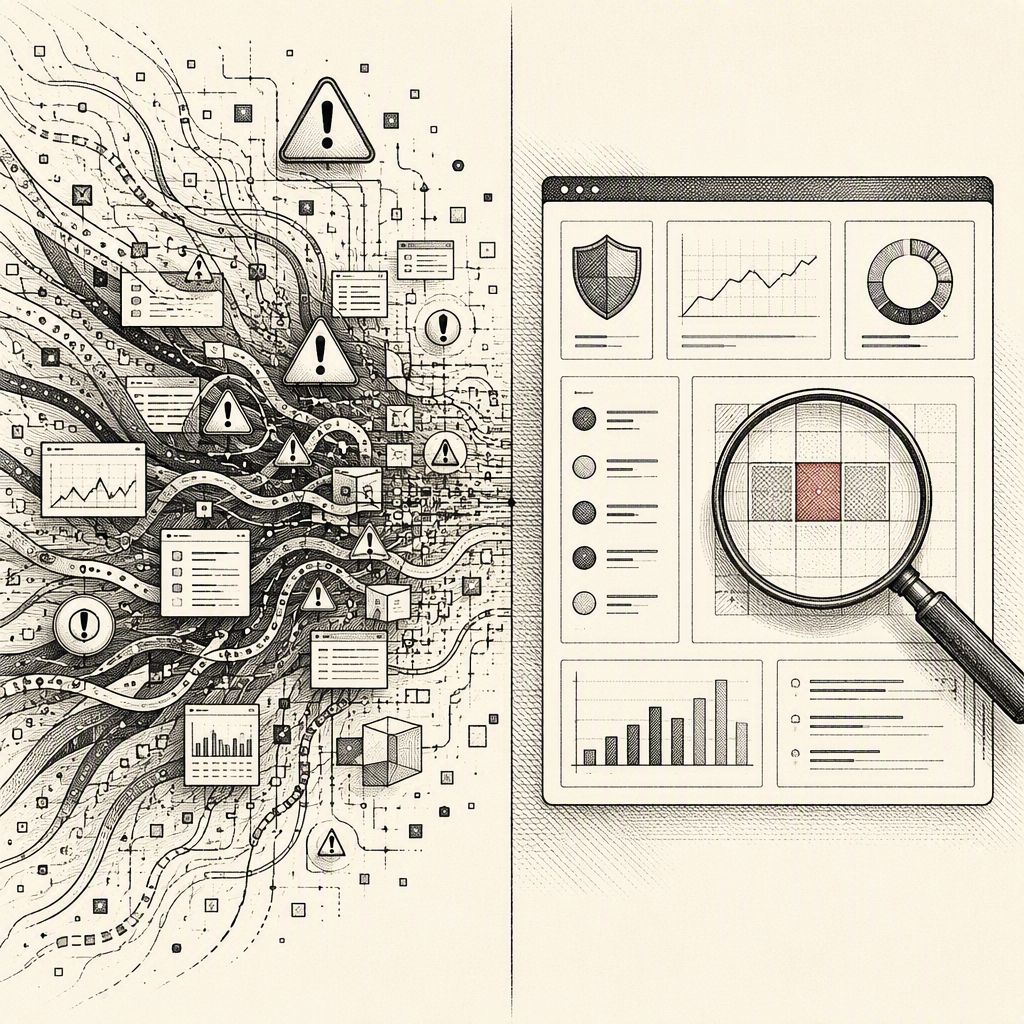
In the face of rapidly disclosed vulnerabilities, security teams often struggle with the critical question: "Are we actually exposed?" This challenge is amplified as artificial intelligence accelerates both vulnerability discovery and the speed at which attackers can leverage them. The traditional process of manually sifting through disparate security data sources—vulnerability scanners, endpoint detection tools, cloud inventories, Software Bill of Materials (SBOMs), and application repositories—to build context is becoming increasingly untenable.
A forthcoming webinar, "Outpacing AI-Era Attacks Starts With Faster Time to Answer," hosted by The Hacker News, promises to equip security professionals with strategies to overcome this delay. The session will feature experts from Tines, who will demonstrate how their security team consolidates various exposure data points into a unified, interactive view. This approach aims to significantly reduce the time between a CVE's disclosure and an organization's ability to accurately assess its impact.
The webinar will delve into practical methods for integrating diverse data streams. Attendees will learn how to correlate SBOM data with installed packages and versions, link endpoint information to specific applications, connect cloud inventory details to affected resources, and map vulnerability data directly to the systems where it poses a real risk. The core objective is to streamline the transition from identifying a new vulnerability to definitively knowing whether it affects the organization and what actions are required.
By establishing repeatable workflows, security teams can automate the collection of relevant context, making exposure assessment a more efficient and less manual process. This shift is crucial for moving beyond reactive incident response to a more proactive security posture, especially as the threat landscape evolves with AI.
The session will also explore the nuanced role of AI in security operations. While AI can assist in analyzing complex inputs and accelerating workflow creation, the webinar will emphasize the importance of combining AI-driven insights with deterministic automation. Once AI-assisted workflows are validated, predictable automation can handle repetitive tasks, freeing up human analysts to focus on more strategic challenges.
For Security Operations (SecOps), vulnerability management, cloud security, and Application Security (AppSec) teams, the benefits are tangible: reduced time spent on manual data gathering, faster and more accurate answers regarding exposure, and a consequently shorter path to implementing necessary remediation actions. The webinar underscores that in today's fast-paced threat environment, having the right tools and processes in place to quickly find answers within existing data is paramount.
The webinar aims to provide a practical blueprint for organizations looking to enhance their incident response capabilities. It addresses the growing need for agility in security operations, particularly as the sophistication and speed of cyberattacks continue to increase. The focus on actionable intelligence and automated workflows highlights a critical shift towards more efficient and effective security management.
Ultimately, the session encourages security leaders to rethink their approach to vulnerability management, moving towards a model where data integration and intelligent automation enable rapid, informed decision-making. This proactive stance is presented as essential for staying ahead of emerging threats in the AI-augmented cybersecurity landscape.