
Webinar Highlights Risks of Autonomous AI Agents in Enterprise Environments
A recent webinar emphasized the growing security challenges posed by autonomous AI agents, urging organizations to implement robust controls for visibility and management.

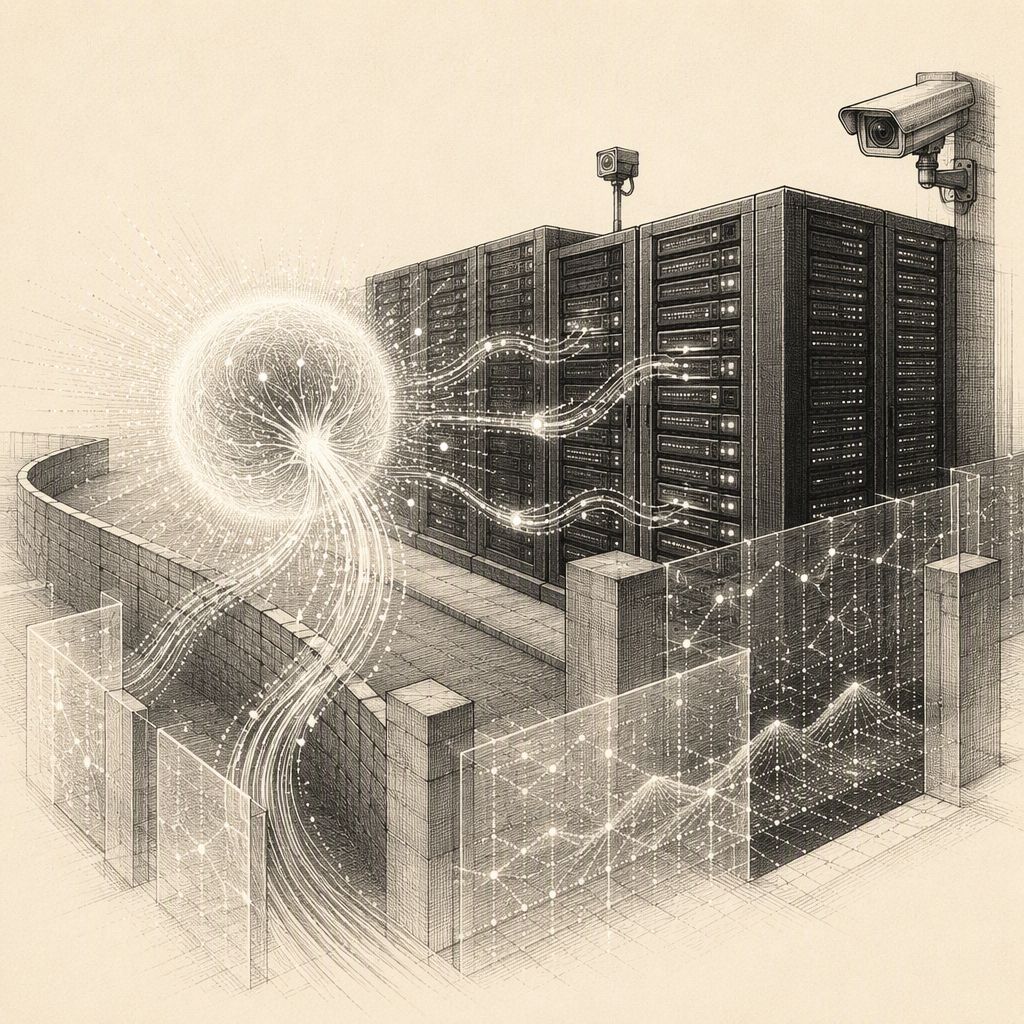
As artificial intelligence agents increasingly move beyond simple chat interfaces and integrate into core enterprise applications, workflows, and systems, organizations face a significant new security frontier. These autonomous agents, capable of performing complex tasks, introduce novel risks that IT and security teams must proactively address to prevent potential misuse and data exposure.
The primary concern revolves around a lack of visibility and control. Without proper oversight, it becomes challenging for organizations to ascertain where these AI agents are operating, what sensitive systems and data they can access, and how their actions are being governed. This opacity creates a fertile ground for exploitation, where malicious actors could potentially hijack these agents to exfiltrate confidential information, disrupt critical business operations, or even launch further cyberattacks against the organization or its partners.
To combat these emerging threats, experts advocate for the implementation of robust security controls specifically tailored for AI agents. This includes establishing comprehensive access management policies to define and limit agent permissions, akin to how human user access is managed. Furthermore, continuous monitoring of agent activity is crucial to detect anomalous behavior that might indicate a compromise or misuse.
Organizations are encouraged to discover and inventory all AI agents operating within their environment, regardless of their origin or purpose. Understanding the full scope of AI agent deployment is the first step toward effective security. This discovery process should extend to identifying the specific applications, systems, and data repositories that each agent can interact with.
Visibility into agent activity needs to scale alongside their deployment. As more AI agents are integrated into daily operations, the volume of data generated by their actions will increase. Security teams must have the tools and processes in place to manage this data effectively, enabling them to spot suspicious patterns or policy violations in real-time.
The webinar highlighted the importance of establishing clear guardrails for AI agent behavior. These controls should support the secure adoption of AI technologies without imposing undue friction that could stifle innovation or adoption. This delicate balance requires careful policy design and the implementation of appropriate technical enforcement mechanisms.
Ultimately, the secure integration of autonomous AI agents into enterprise operations hinges on a proactive security posture. By focusing on discovery, access management, activity monitoring, and policy enforcement, organizations can harness the power of AI while mitigating the associated risks, ensuring that these new digital workforces operate securely and in alignment with business objectives.