
Web3 Infrastructure Fuels Evolving Cloud Supply Chain Attacks
Threat actors are increasingly integrating Web3 technologies and exploiting open-source software supply chains to breach enterprise cloud environments, according to Unit 42.
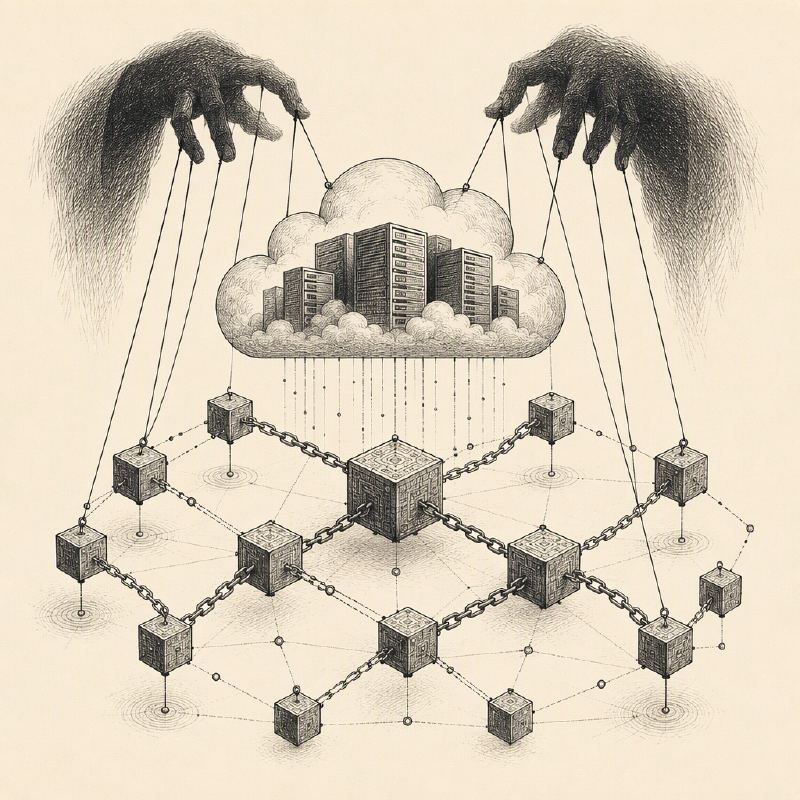
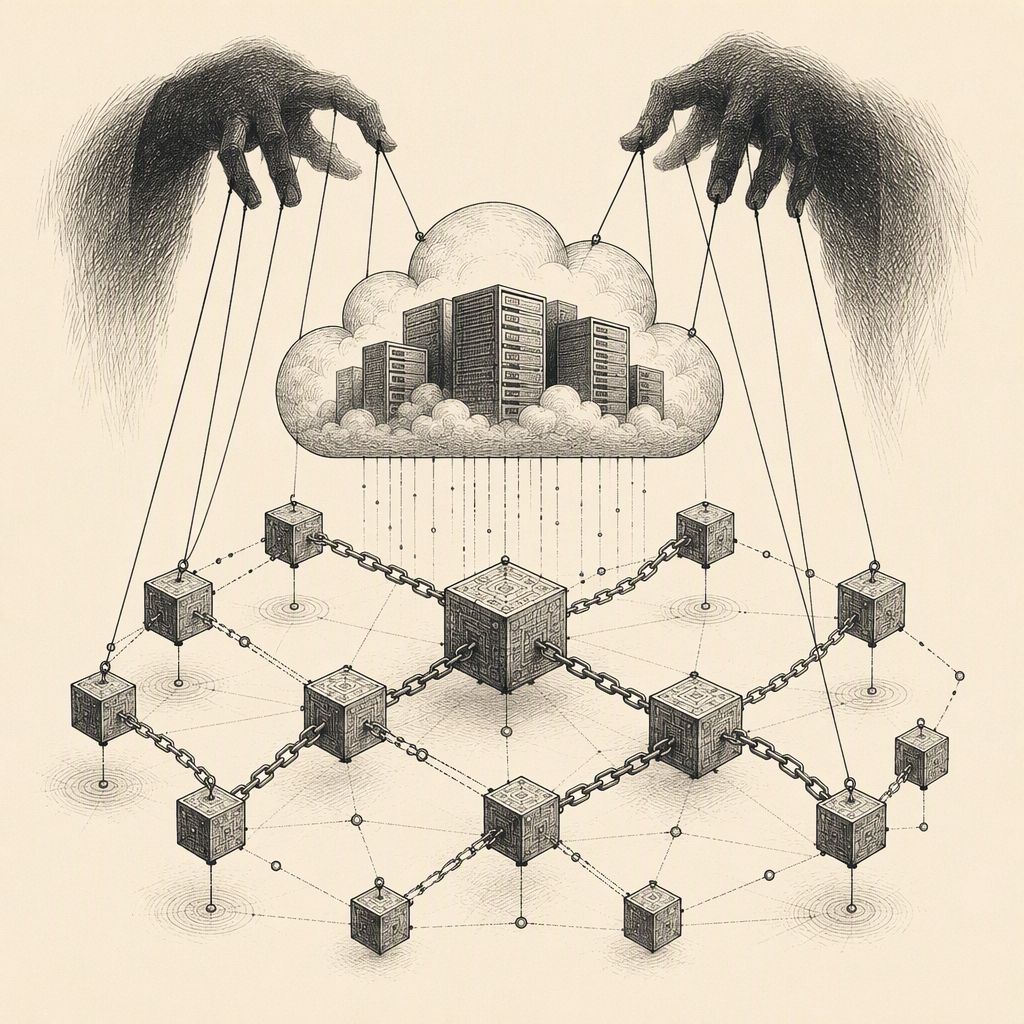
Palo Alto Networks' Unit 42 has identified a significant evolution in the tactics employed by threat actors targeting cloud infrastructure. The latest trend sees attackers leveraging Web3 technologies and exploiting vulnerabilities within the open-source software supply chain to gain unauthorized access to enterprise cloud systems. This convergence represents a new frontier in cyber threats, blending the decentralized nature of Web3 with the established attack vectors of supply chain compromises.
The research highlights how threat actors are moving beyond traditional methods to incorporate elements of the Web3 ecosystem into their attack methodologies. This can include exploiting smart contracts, decentralized applications (dApps), or even the underlying blockchain infrastructure itself to facilitate or mask their malicious activities. The complexity introduced by these Web3 components can make detection and attribution more challenging for security teams.
Simultaneously, the exploitation of the open-source software supply chain remains a critical vector. Attackers are adept at injecting malicious code into popular libraries, frameworks, or development tools that are widely used by organizations. When these compromised components are integrated into legitimate software builds, they can serve as a backdoor into the target's cloud environment.
The combination of these two attack surfaces creates a potent threat. By using Web3 elements, attackers might obscure their command-and-control infrastructure or leverage decentralized networks for more resilient operations. When this is coupled with a supply chain compromise, it allows them to bypass traditional perimeter defenses and gain a foothold within the trusted software development lifecycle.
The implications for enterprises are substantial. Organizations relying heavily on cloud services and open-source software are particularly vulnerable. The attack surface expands beyond traditional network perimeters to include the integrity of the software development process and the security of the decentralized Web3 components they might interact with.
Unit 42's findings underscore the need for a multi-layered security approach. This includes not only robust cloud security posture management and traditional vulnerability scanning but also increased scrutiny of third-party software dependencies, including those originating from or interacting with Web3 ecosystems. Secure coding practices and thorough vetting of open-source components are paramount.
As the cybersecurity landscape continues to evolve, the integration of emerging technologies like Web3 into attack strategies necessitates a proactive and adaptive defense. Organizations must stay informed about these new threat vectors and invest in security solutions that can address the complexities of both cloud environments and the rapidly expanding Web3 domain.
The trend indicates a future where attackers will continue to innovate, seeking out novel ways to exploit the interconnectedness of modern technology. Understanding and mitigating these evolving threats, such as the fusion of Web3 and supply chain attacks, will be crucial for maintaining robust cybersecurity defenses.