
Web-Based PHP Obfuscator Found Injecting Backdoors
A popular online PHP obfuscator, obfuscator[.]tools, has been discovered to secretly inject malicious backdoors into user-submitted code, posing a significant risk to developers and their applications.
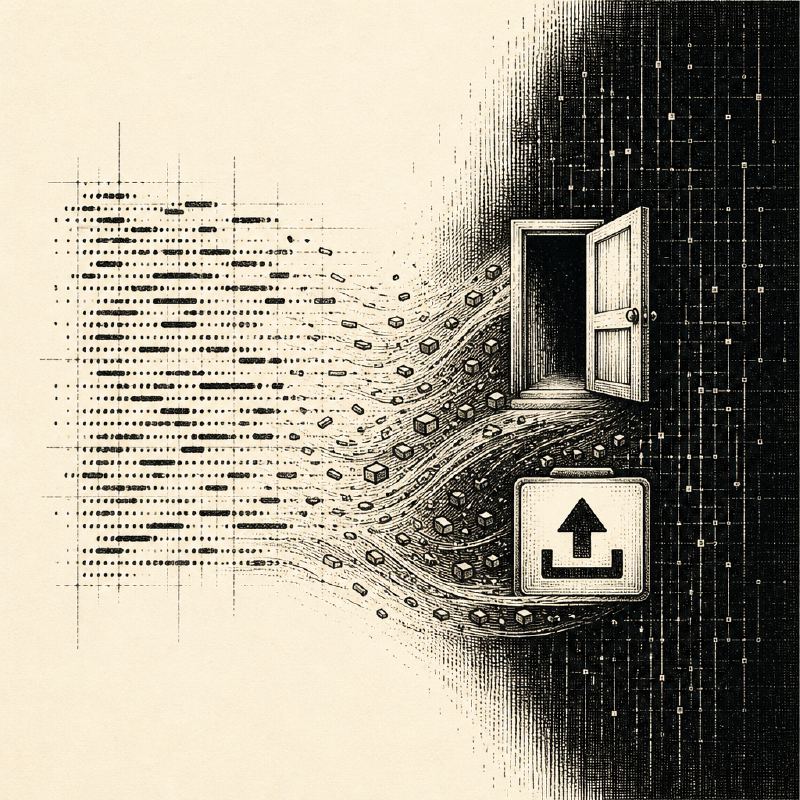
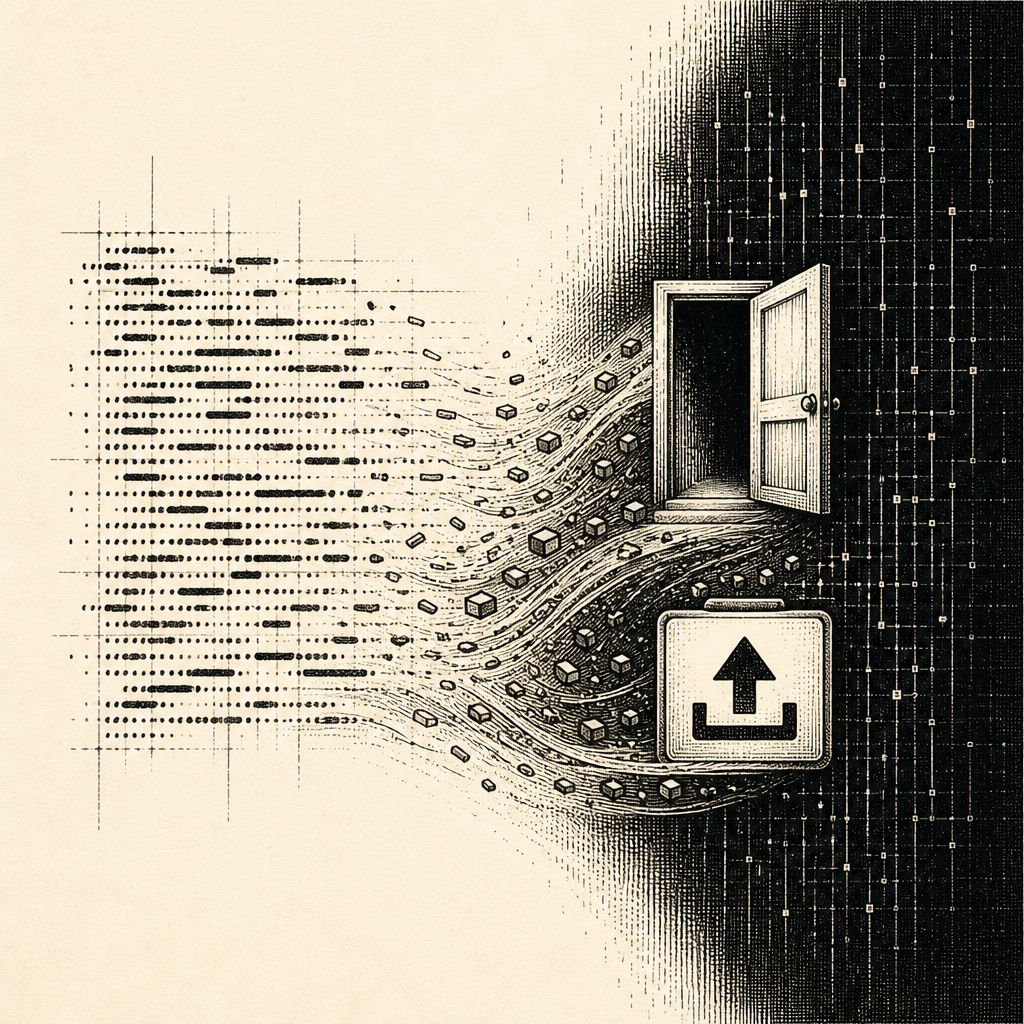
Security researchers have identified a concerning trend where seemingly legitimate online tools designed to obfuscate code are instead embedding malicious functionality. One such tool, obfuscator[.]tools, has been found to inject backdoors into PHP code submitted by users. This discovery highlights a sophisticated method for distributing malware, as the obfuscated code can easily evade detection by standard security measures.
The primary malicious function discovered within the obfuscated PHP code involves the exfiltration of the full URL of the page to a command and control (C2) server located at siyahi[.]top. This allows attackers to track the usage of the backdoored code and potentially identify vulnerable targets. The C2 server itself appears to be hosted on a compromised construction company website, a common tactic to lend an air of legitimacy or to obscure the true origin of the malicious infrastructure.
Beyond data exfiltration, the obfuscated code also implements an arbitrary file upload feature. This backdoor functionality is triggered by a specific URL parameter, 'mrz'. When activated, it allows an attacker to upload files to the compromised server, which are then saved with the filename 'mrz.php'. This capability could be used to deploy further malicious payloads, establish persistent access, or execute arbitrary commands on the server.
Analysis of the obfuscation technique revealed a combination of base64 encoding and gzip compression, followed by an eval() function to execute the deobfuscated code. While this method is relatively simple to reverse engineer, its effectiveness lies in its integration within a seemingly innocuous code obfuscation service, making it less likely to raise immediate suspicion.
Researchers demonstrated the process by submitting a basic PHP snippet, <?php echo('x'); ?>, to the obfuscator. The resulting code, after deobfuscation, revealed the added malicious routines alongside the original, harmless code. This illustrates how easily developers could inadvertently incorporate these backdoors into their projects.
The implications of this discovery are significant. Developers relying on such online obfuscation tools risk unknowingly compromising their applications and servers. The ability to upload arbitrary files and exfiltrate URLs provides attackers with powerful tools for reconnaissance and further exploitation, potentially leading to full system compromise.
Users are advised to exercise extreme caution when using online code obfuscation services, especially for sensitive or production code. It is recommended to use trusted, locally installed obfuscation tools or to thoroughly vet any third-party online services before integrating their output into critical applications. The SANS Internet Storm Center continues to monitor for further developments and potential related threats.