
Water Utility Attack Underscores Need for Controlled Remote Access in Critical Infrastructure
A recent attack on a water utility highlights the critical need for controlled remote access in both electric and water sectors, especially during emergencies.
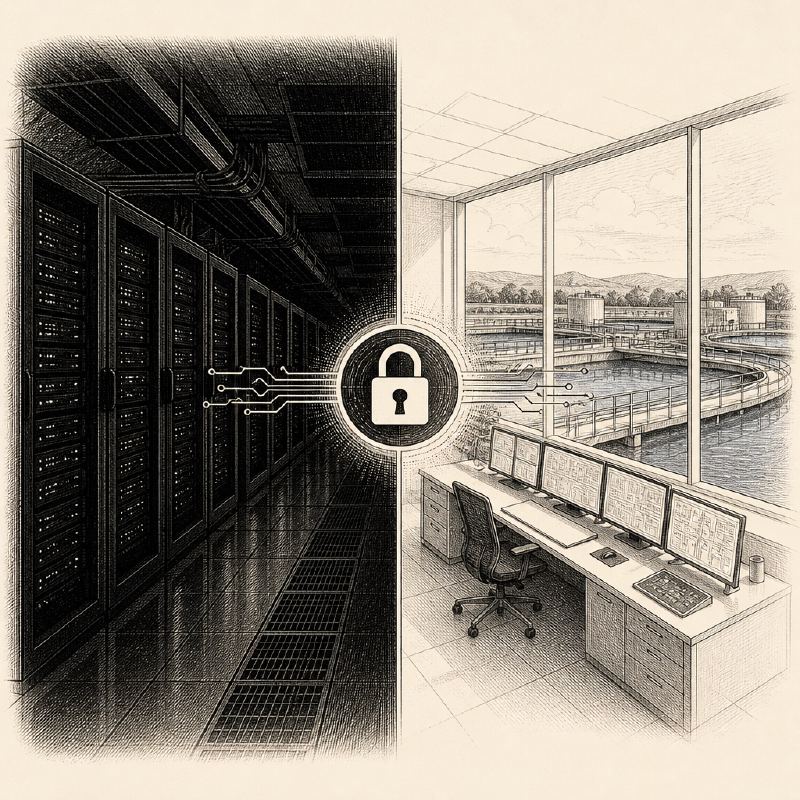
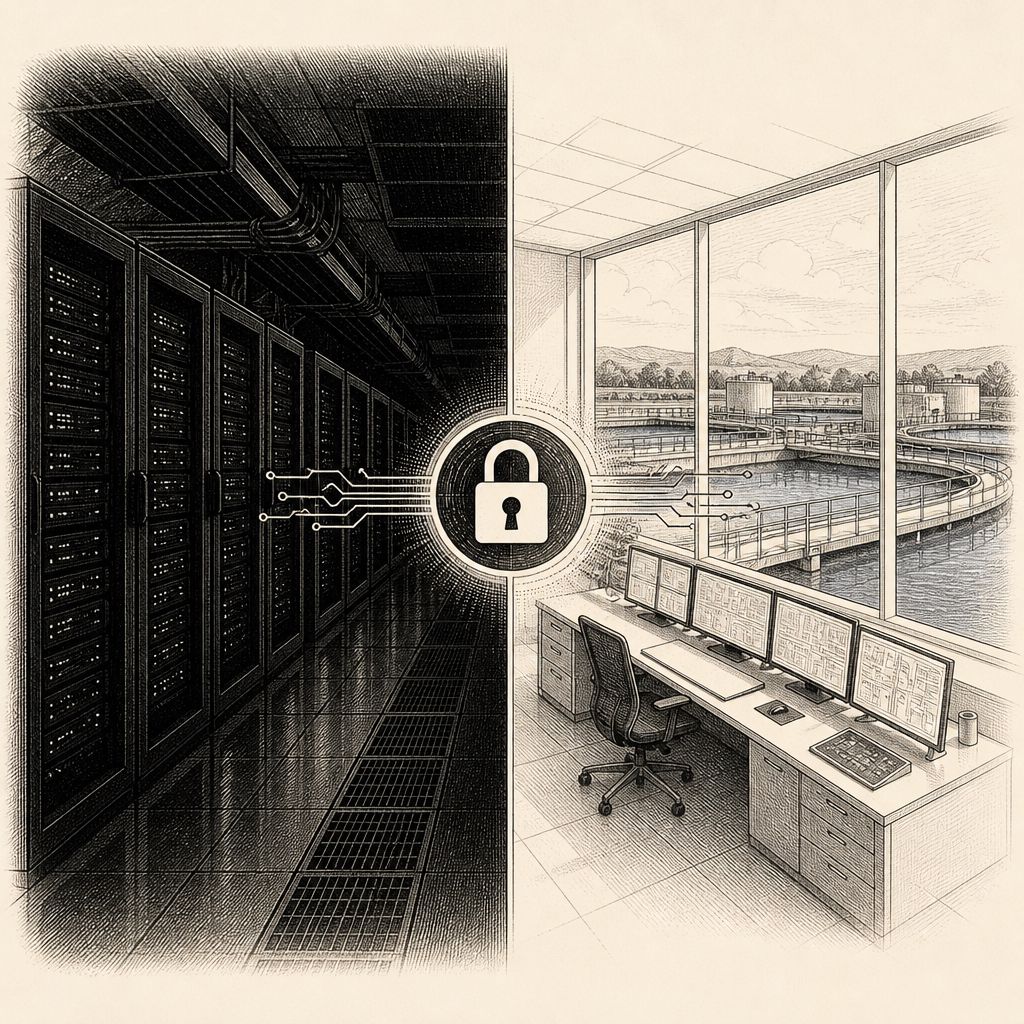
A recent cyber incident targeting a water utility has brought into sharp focus the urgent need for robust and controlled remote access solutions across both the water and electric sectors. The attack underscored a critical challenge faced by utility operators: how to grant rapid, secure access to external vendors during emergencies, such as a critical pump station failure occurring at 2 a.m., without compromising overall system security.
The incident highlighted that regardless of whether a specific regulatory mandate is in place or if a virtual private network (VPN) is utilized, the core requirement remains the same: enabling swift, authorized access for essential maintenance and repair while strictly limiting unauthorized entry. The scenario of a 2 a.m. pump station failure exemplifies the high-stakes environment where minutes, not hours, can dictate the severity of an outage and its impact on public services.
Traditional remote access methods, often reliant on VPNs, can introduce delays in emergency response. The need for manual approvals, establishing secure connections, and ensuring proper authentication can be time-consuming. In a critical infrastructure scenario where immediate action is paramount, these delays can exacerbate the problem, leading to prolonged service disruptions and potential cascading failures.
To address these challenges, utilities are exploring and implementing advanced access control frameworks. Solutions such as just-in-time (JIT) access, which grants permissions only for a limited duration and specific task, are becoming increasingly vital. Coupled with simplified, yet secure, approval workflows, JIT access can significantly reduce the window of vulnerability while ensuring that necessary personnel can perform their duties efficiently.
The distinction between regulatory requirements for electric versus water utilities, while present, does not negate the shared operational reality. Both sectors are increasingly reliant on interconnected systems and remote management, making them susceptible to similar threats. The attack serves as a potent reminder that cybersecurity preparedness must be a top priority for all critical infrastructure operators.
Implementing these advanced access controls requires a strategic approach. It involves not only technological solutions but also clear policies, comprehensive training for personnel, and regular testing of emergency response protocols. The goal is to create a resilient system that can adapt to both routine maintenance needs and unexpected emergencies with equal efficacy and security.
Ultimately, the incident at the water utility emphasizes a broader trend: the growing convergence of operational technology (OT) and information technology (IT) security concerns. As infrastructure becomes more digitized and interconnected, the methods for securing remote access must evolve to meet the dynamic threat landscape, ensuring the continuous and safe operation of essential services.