
Vidar Malware Evolves Obfuscation Techniques to Evade Detection
The Vidar information stealer has updated its obfuscation methods, employing a custom virtual machine and per-build stream ciphers to hinder static analysis and make detection more challenging.
The Vidar information stealer, a persistent threat since its emergence in 2018, has undergone significant evolution in its obfuscation techniques to evade modern security defenses. Operators are increasingly employing sophisticated methods to hide the malware's true nature, making it harder for security tools to identify and block malicious samples before they can execute and steal sensitive data.
Vidar's primary function remains the exfiltration of valuable user data, including saved passwords, browser cookies, cryptocurrency wallet files, and system configurations. This information is highly prized by cybercriminals, as compromised browser data can grant access to email accounts, corporate applications, financial services, and cryptocurrency exchanges. The compromise of even a single work device can expose reusable passwords and active sessions, potentially providing a gateway into an organization's wider network infrastructure.
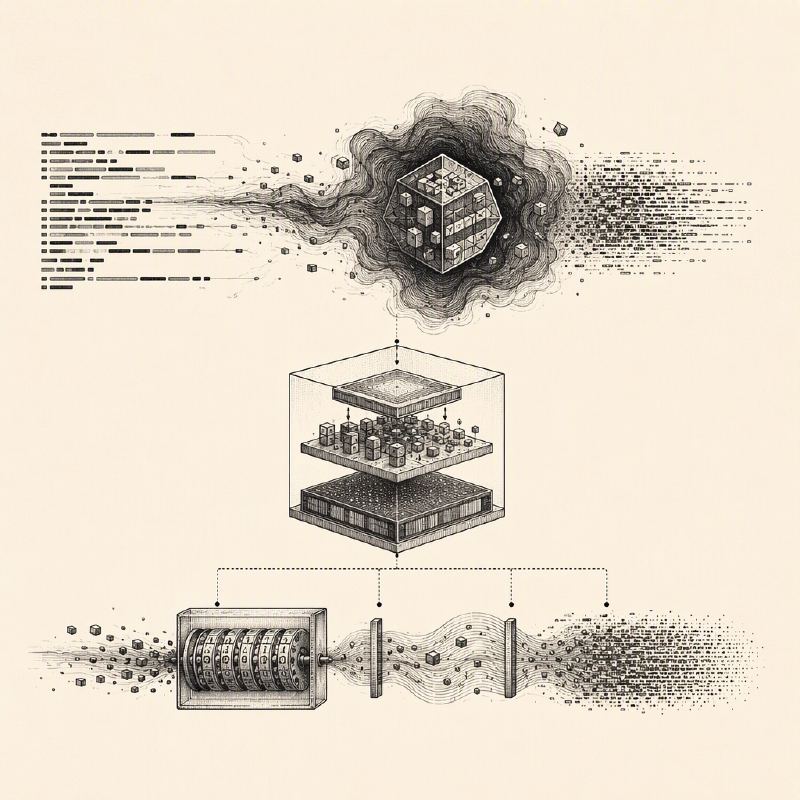
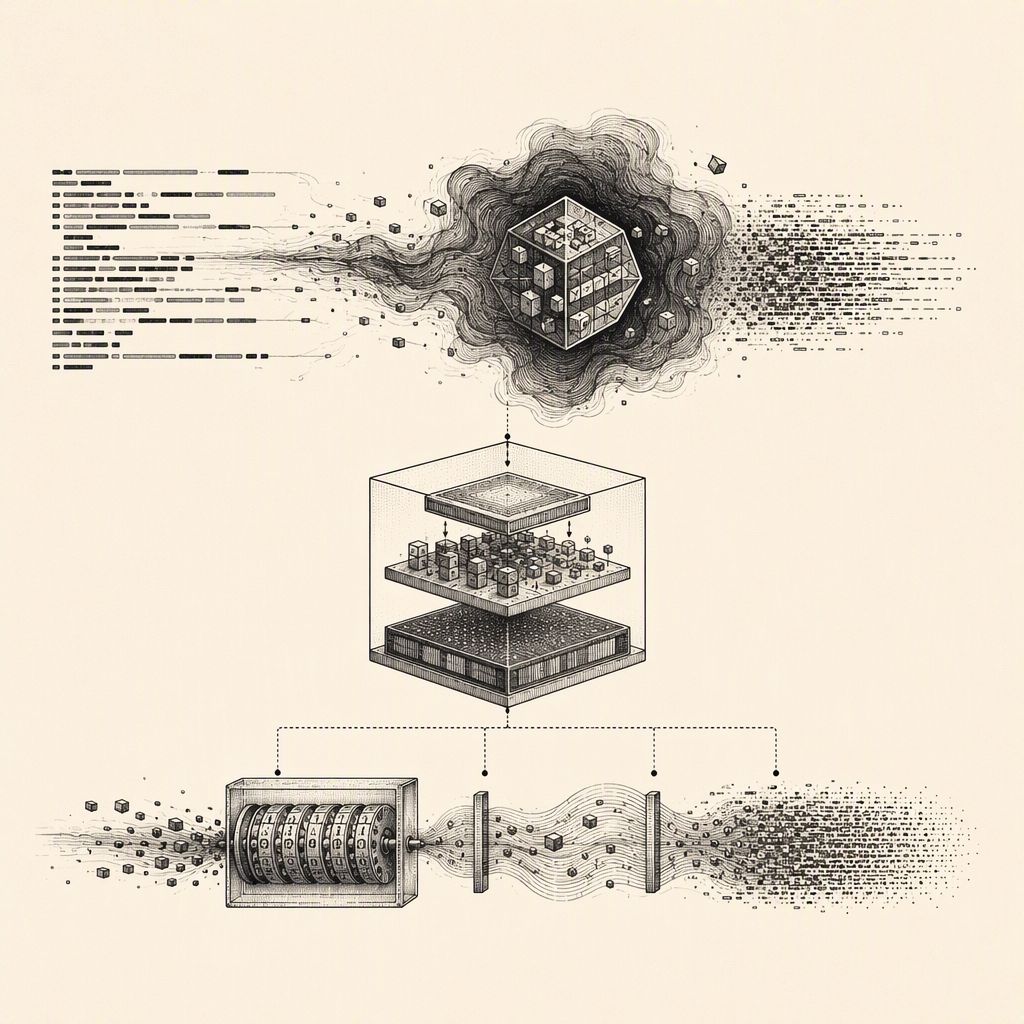
Recent analysis by Zscaler researchers, spanning from May to early September 2026, revealed a notable shift in Vidar's string-hiding mechanisms. The malware has moved away from simpler techniques like basic XOR encryption and modified ChaCha20 routines. Instead, it now utilizes a custom virtual machine coupled with stream ciphers that are uniquely generated for each new build of the malware.
This new approach specifically targets the readable strings within the malware's code. These strings often contain critical clues about the malware's functionality, such as commands, configuration details, error messages, and intended actions. By altering these obfuscation methods with every release, Vidar significantly diminishes the effectiveness of file-based signatures and automated static analysis, forcing defenders to rely more heavily on behavioral analysis and continuous endpoint monitoring.
The custom virtual machine operates by interpreting bytecode, processing a series of instructions that modify a working value and decode text only at specific points. The design is intentionally inconsistent, with a sparse instruction table and opcodes, constants, and lookup tables that can vary from one build to another. A four-byte XOR key, also unique to each build, seeds this interpreter, making it distinct from static packers that can be unpacked and recognized repeatedly.
In addition to the virtual machine, Vidar employs a custom stream cipher. While earlier versions used a modified ChaCha-based design, newer iterations have shifted to an add-rotate-XOR method. Although the interface remains consistent, the internal arithmetic and constants differ across samples, increasing the time and effort required for security analysts to examine new files and develop detection rules.
These evolving obfuscation techniques are being deployed in ongoing social-engineering campaigns. Vidar has been distributed through deceptive means, including fake software installers promoted on video platforms, malicious code repositories, and offers for game cheats. These campaigns aim to trick users into downloading and executing the malware, leading to the theft of credentials and other sensitive information.
The shift towards per-build obfuscation underscores the need for a robust, behavior-centric approach to malware detection. Organizations are advised to maintain up-to-date endpoint monitoring, investigate suspicious data collection activities, and enforce strict policies against downloading unverified software. Furthermore, resetting exposed credentials and revoking active sessions are crucial steps following a suspected infection to mitigate the impact of Vidar's persistent credential theft operations.