
VerifiedIDA Standardizes LLM-Driven Reverse Engineering for Enhanced Inspectability
SentinelOne Labs introduces VerifiedIDA, a new standard for LLM-driven reverse engineering that ties annotations to evidence, making analysis inspectable, continuable, and reusable.
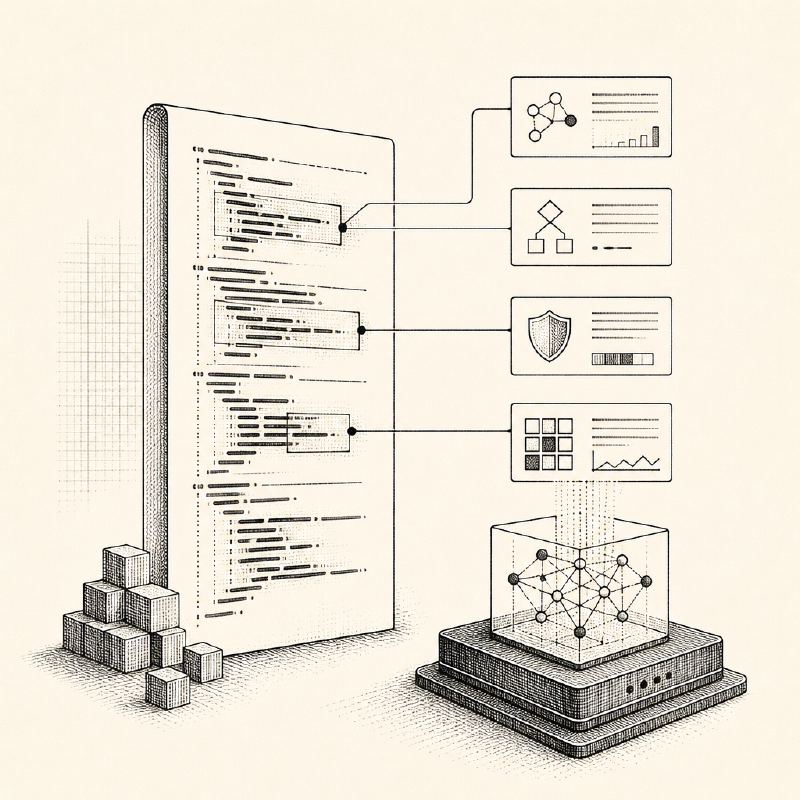
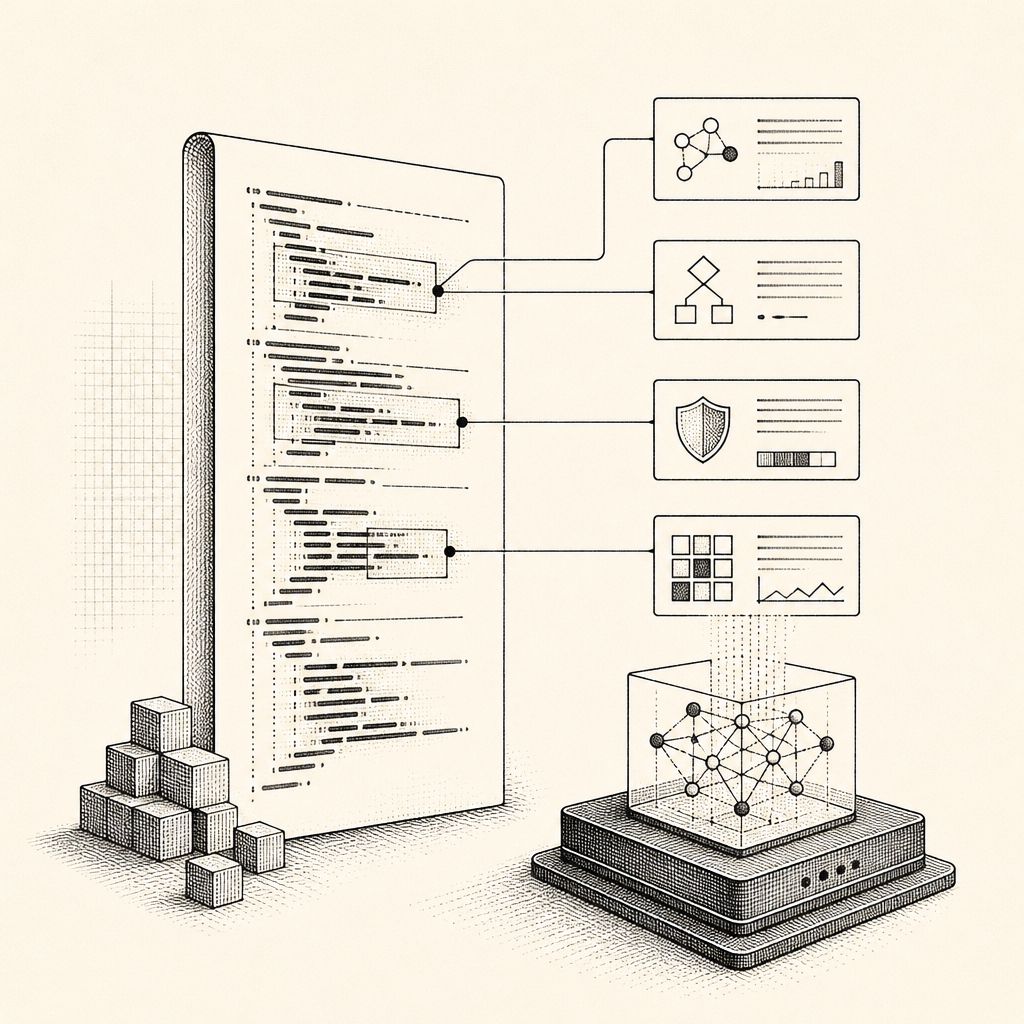
SentinelOne Labs has unveiled VerifiedIDA, a novel standard designed to address critical challenges in the rapidly evolving field of Large Language Model (LLM)-driven reverse engineering. The core innovation of VerifiedIDA lies in its ability to make the analysis process inspectable, continuable, and reusable by directly linking annotations to the underlying evidence within the code. This approach aims to overcome the "black box" nature often associated with AI-assisted reverse engineering, fostering greater trust and efficiency.
The standard is accompanied by an open-source implementation for IDA Pro, the industry-standard disassembler and debugger. This integration allows reverse engineers to leverage LLMs for code analysis while maintaining a clear, auditable trail of how conclusions were reached. By grounding LLM-generated insights in concrete evidence, VerifiedIDA enables analysts to verify the AI's reasoning, identify potential errors, and build upon previous analyses with confidence. This is particularly crucial in complex malware analysis or vulnerability research where accuracy and reproducibility are paramount.
Traditionally, reverse engineering, especially when augmented by AI, can be opaque. Analysts might receive suggestions or summaries from an LLM without a clear understanding of the specific code segments or logical paths that led to those outputs. VerifiedIDA tackles this by requiring that every annotation, hypothesis, or conclusion generated by an LLM be explicitly tied to specific code locations, data structures, or execution flows. This evidence-based approach transforms LLM assistance from a potentially inscrutable tool into a transparent and collaborative partner.
The implications for the cybersecurity industry are significant. As LLMs become more integrated into security workflows, the need for verifiable and repeatable processes grows. VerifiedIDA provides a framework for achieving this, potentially accelerating the development of more robust security tools and techniques. It also lowers the barrier to entry for less experienced analysts, who can learn from the explicit connections between evidence and analysis, rather than relying solely on intuition or extensive prior knowledge.
Furthermore, the reusable aspect of VerifiedIDA is key to scaling efforts. Analyses conducted using this standard can be more easily shared, validated, and extended by other researchers or teams. This collaborative potential is vital for tackling sophisticated threats that require collective intelligence and rapid response. The open-source nature of the IDA Pro implementation further encourages adoption and community contribution, fostering a shared ecosystem for advanced reverse engineering practices.
While the initial focus is on IDA Pro, the principles of VerifiedIDA are designed to be extensible to other reverse engineering tools and platforms. The goal is to establish a de facto standard that promotes best practices in AI-assisted code analysis. By making LLM-driven reverse engineering more transparent and reliable, SentinelOne Labs is paving the way for more effective cybersecurity defenses in an increasingly complex threat landscape.
The introduction of VerifiedIDA marks a significant step towards maturing the application of AI in cybersecurity. It addresses the critical need for accountability and transparency in automated analysis, ensuring that the power of LLMs can be harnessed effectively and responsibly for understanding and defending against sophisticated cyber threats.