
Venezuela's AI Surveillance Expansion Under US Oversight Raises Concerns
A new report highlights Venezuela's adoption of Chinese AI surveillance technology, posing a challenge for the US as it assumes control of the nation.
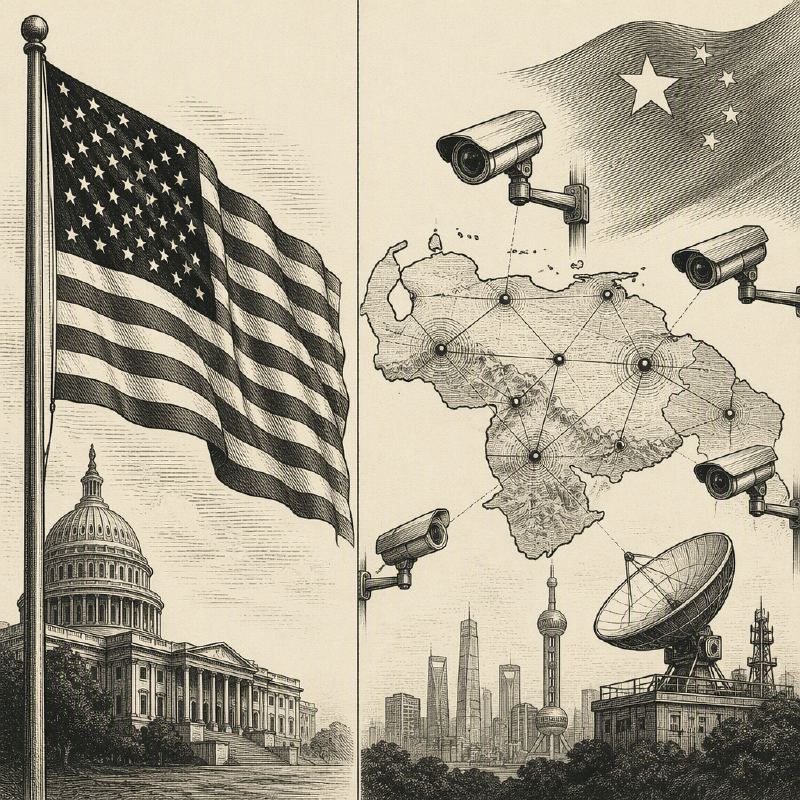
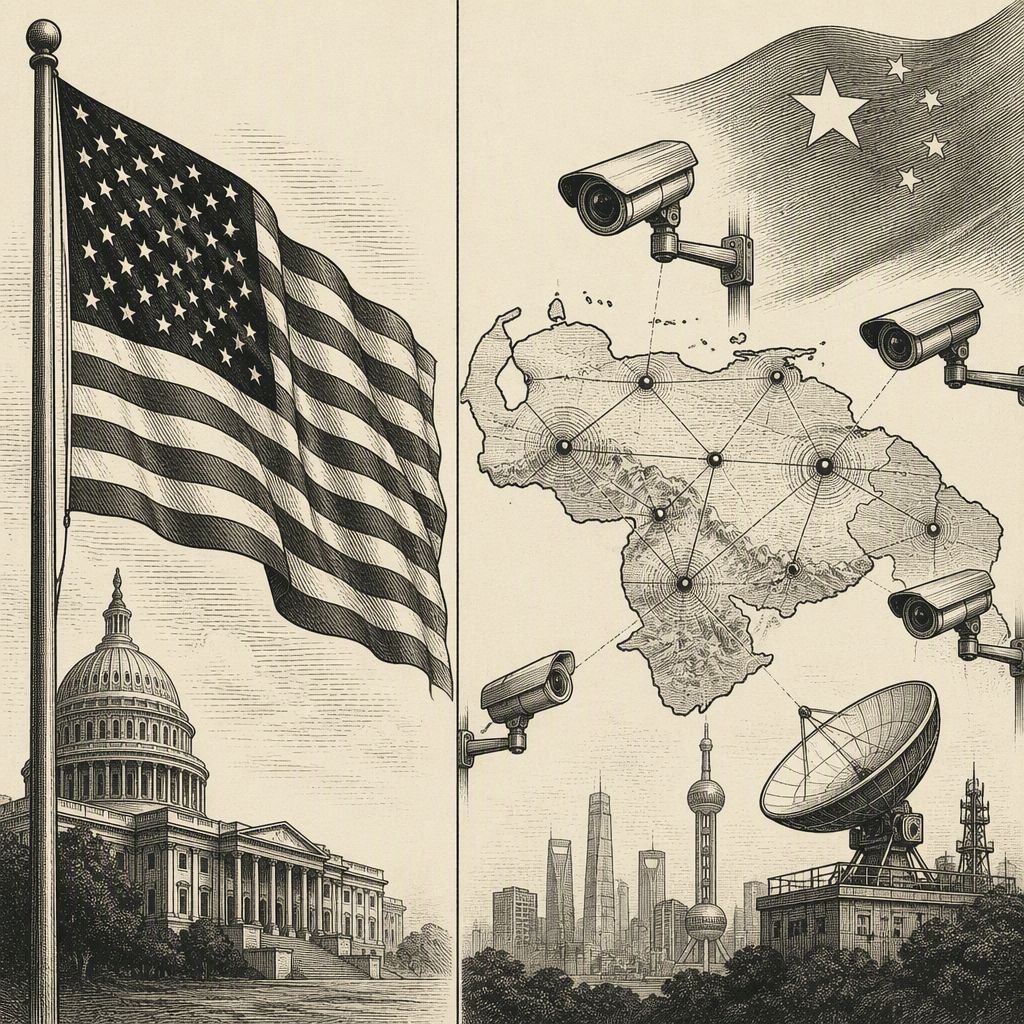
A report by the Australian Strategic Policy Institute (ASPI) warns that Venezuela is significantly expanding its state surveillance capabilities through the adoption of advanced Chinese artificial intelligence systems. This move, spearheaded by Vice President Delcy Rodríguez, positions Venezuela as a key adopter of Chinese AI for domestic control outside of China, raising alarms about the potential for enhanced digital authoritarianism.
The Venezuelan government has a decade-long history of building a surveillance state, heavily relying on technology from Chinese vendors. The ASPI report details that in 2025, Rodríguez led an initiative to integrate Chinese-built AI systems, including those from iFlytek, into existing surveillance infrastructure. iFlytek itself is a company previously sanctioned by the US in 2019 for its role in facilitating the repression of Uyghurs in China's Xinjiang region.
The United States effectively took over the administration of Venezuela in January 2026, installing Rodríguez as the nation's leader. Despite this political shift, ASPI's analysis indicates no change in Venezuela's trajectory towards greater reliance on Chinese surveillance technology. The report asserts that Venezuela is poised to become one of the first countries outside China to import and deploy China's latest generation of Large Language Model (LLM)-based AI systems for surveillance and control, making it the most advanced adopter in the Western Hemisphere.
While ASPI acknowledges that Venezuela may not be able to replicate China's entire surveillance apparatus, the think tank expresses concern that these Chinese AI tools could significantly bolster an already established domestic system used for managing dissent, restricting information, and maintaining political power. This development suggests that the lives of ordinary Venezuelans may not see substantial improvement despite the change in US-backed leadership.
The situation presents a complex challenge for the United States, which is now effectively overseeing a nation increasingly dependent on Chinese surveillance technology. This reliance could complicate US efforts to influence Venezuelan affairs and promote democratic values within the country.
ASPI has called upon US Secretary of State Marco Rubio, who holds significant influence over Venezuelan affairs, to dismantle the existing surveillance infrastructure and drive political reform. The think tank argues that such actions would send a strong message about the commitment of democratic nations to counter China's export of surveillance technology and to uphold civil liberties globally.
Beijing is reportedly aware of the strategic importance of Venezuela and the potential risks to its companies and political influence in the region. China's leadership appears to be implementing stronger oversight of its state-owned assets abroad to manage and protect these investments, indicating a calculated approach to geopolitical maneuvering.
The report does not explicitly detail the increased risks the US might face by overseeing a nation deeply integrated with Chinese surveillance technology, but the implications for data security, intelligence gathering, and regional stability are significant.