
Vanderbilt University Hit by Ransomware Attack; BYOD Group Claims Responsibility
Vanderbilt University is investigating a cyberattack that has impacted campus devices and systems, with the ransomware group BYOD claiming responsibility and threatening to leak stolen data.
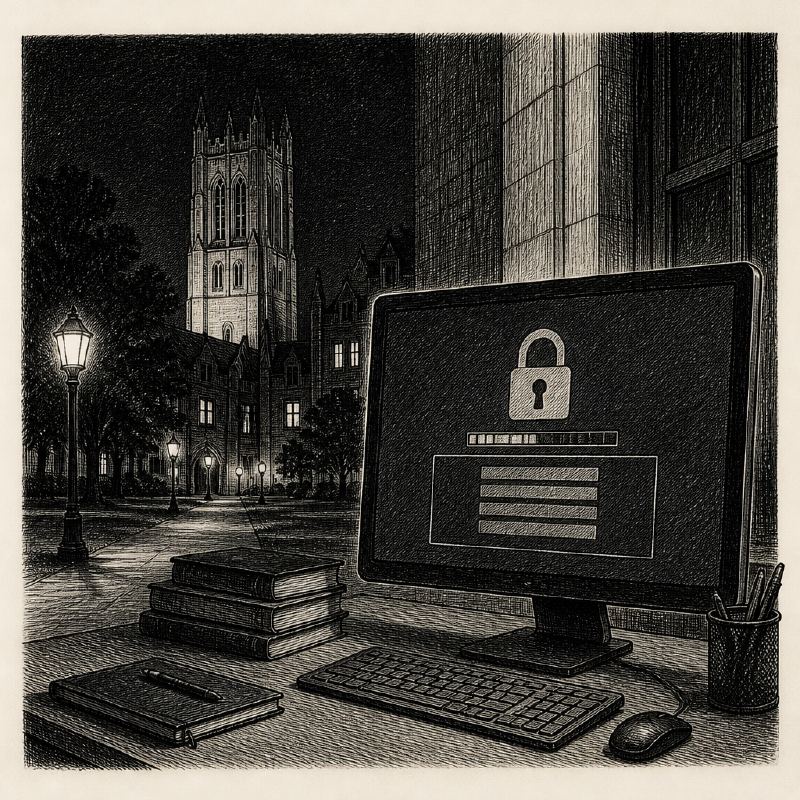
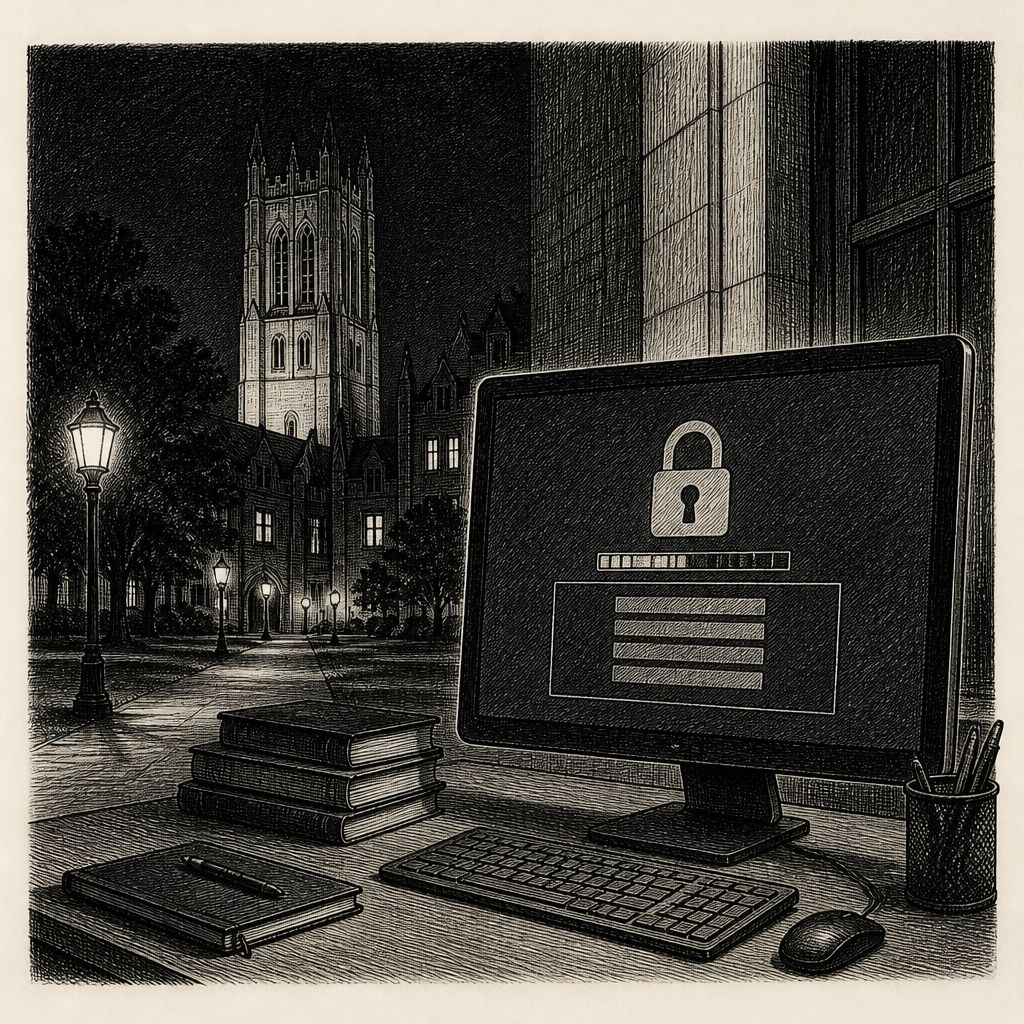
Vanderbilt University confirmed on Monday morning that it is actively investigating a significant cybersecurity incident that has affected campus devices and systems. The university has issued alerts to students and employees, urging them to shut down their devices, disconnect from university Wi-Fi, and remain vigilant for any suspicious activity. This advisory includes instructions to report any unusual occurrences, such as pop-ups, security warnings, file modifications, or unexpected password requests, to campus IT officials immediately.
The attack emerged shortly after the ransomware group BYOD added Vanderbilt to its leak site, making claims about having exfiltrated sensitive data. BYOD has been identified as a relatively new but rapidly escalating threat actor, with its first known victim appearing in late September. The group has recently been linked to several high-profile attacks against other educational institutions, including Michigan State University and the University of New Mexico.
The incident at Vanderbilt bears a concerning resemblance to the attack on the University of New Mexico, which also impacted its medical facilities, forcing its hospital to divert ambulances. This highlights a growing trend of ransomware groups targeting critical infrastructure within educational institutions, potentially disrupting essential services beyond academic operations.
BYOD's alleged involvement in a prior attack on Trump Mobile, which resulted in the leak of data from thousands of prominent customers and drew congressional scrutiny, underscores the group's capacity for significant data theft and its willingness to target high-profile entities. This pattern suggests a sophisticated and aggressive operational posture.
This incident occurs amidst a broader surge in ransomware activity, with multiple cybersecurity firms reporting substantial increases in attacks. Reports indicate a 40% rise in ransomware activity between July and September, with 111 distinct groups claiming 2,766 attacks globally. The proliferation of AI tools within the cybercriminal ecosystem is often cited as a contributing factor to this escalation, enabling faster and more widespread attacks.
The increasing fragmentation of the ransomware landscape, with power distributed among a wider array of operators, means that attacks can be executed with less infrastructure and greater speed. This trend poses a significant challenge for cybersecurity defenses, requiring constant adaptation and vigilance to counter evolving threats.
Vanderbilt University, a prominent institution serving approximately 14,000 students and over 6,000 staff members, is now grappling with the fallout of this attack. The university's IT team is working diligently to contain the situation and assess the full scope of the breach, while the broader cybersecurity community watches closely for further developments from the BYOD group and the impact on the university's operations.