
US Water Systems Face Critical Cybersecurity Gaps Amidst Growing AI-Powered Threats
Iranian state-sponsored hackers targeted water systems across 12 US states, exposing critical vulnerabilities exacerbated by advanced AI capabilities and a lack of basic cyber hygiene.
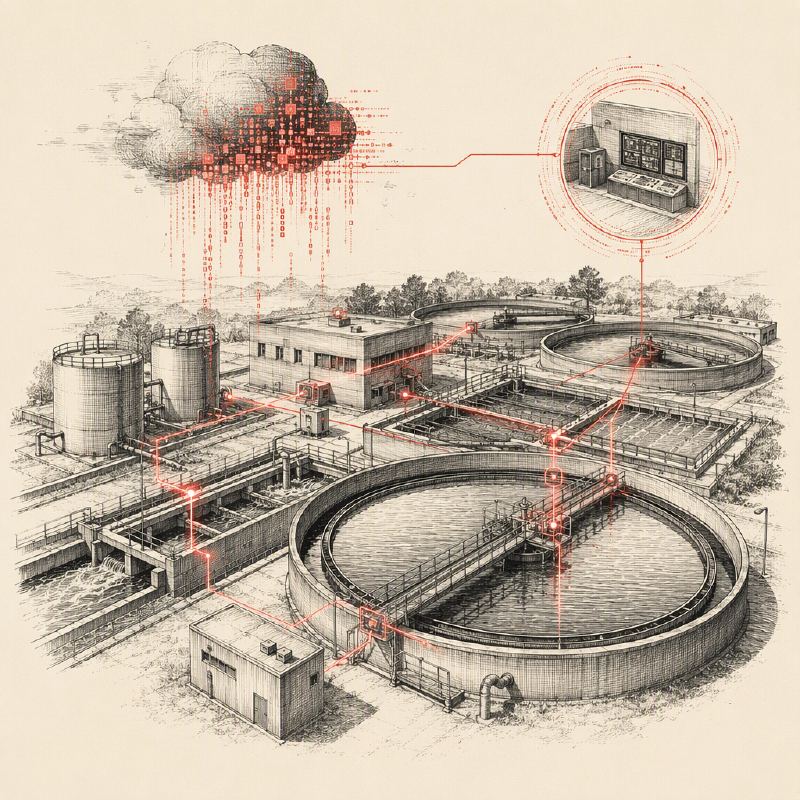
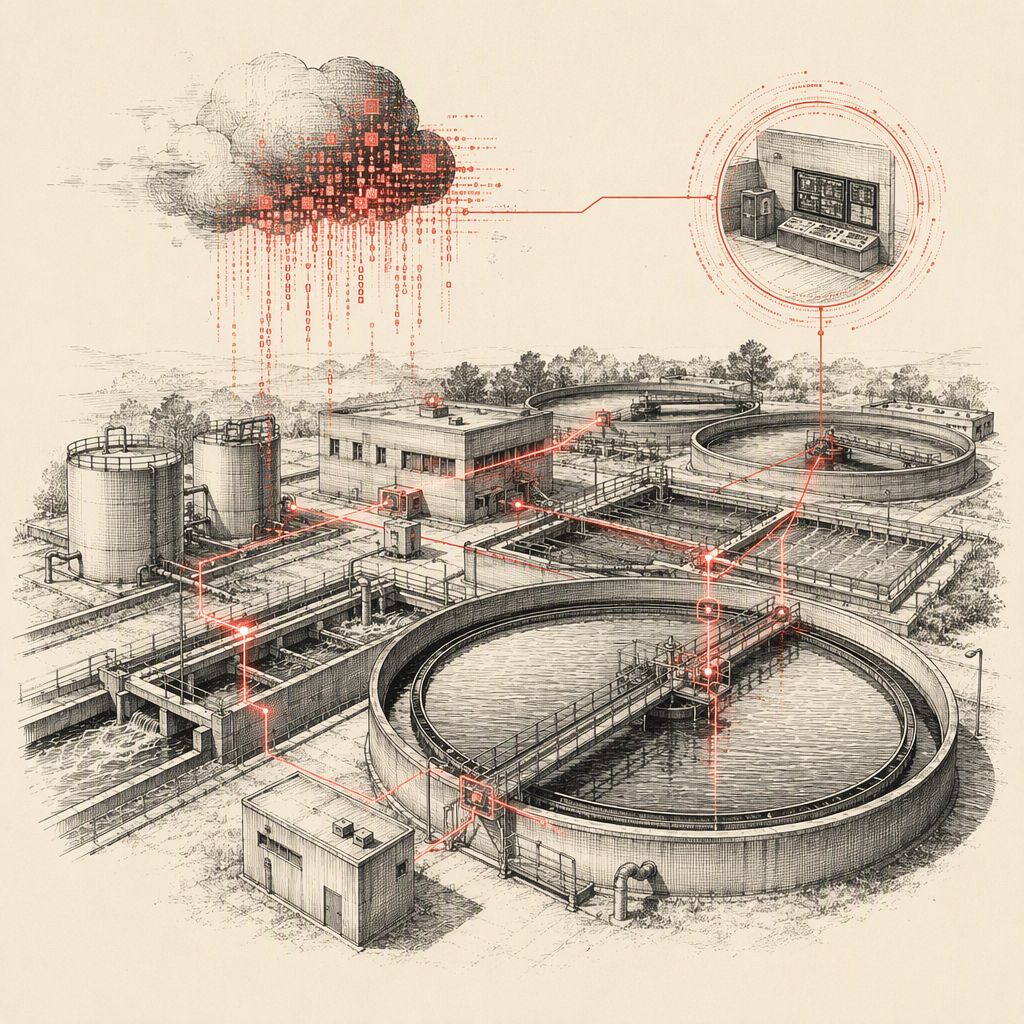
The summer's cyberattacks by Iranian hackers on water systems in 12 states have starkly illuminated the profound vulnerabilities within U.S. water infrastructure, leaving it susceptible to foreign adversaries. A successful broad-scale attack on this critical sector could precipitate a public health crisis with nationwide ramifications, underscoring the long-standing and escalating threat. The U.S. intelligence community's 2026 Annual Threat Assessment explicitly identifies China, Russia, Iran, and North Korea, alongside ransomware groups, as posing critical threats to U.S. networks and essential infrastructure.
Compounding these risks are rapid advancements in artificial intelligence. Sophisticated AI models, such as Anthropic's Claude Mythos, are now capable of identifying thousands of zero-day vulnerabilities in core software systems, including operating systems and web browsers. Similar capabilities are emerging from systems developed in China, enabling AI to "plan, test, and execute attacks in rapid cycles," potentially reducing the attack timeline to mere seconds.
U.S. water systems are particularly vulnerable due to a confluence of technical, legal, and practical challenges. Technically, approximately 80% of these systems lack fundamental cybersecurity hygiene, a weakness exploited in recent attacks. Even larger systems, serving hundreds of thousands of people, have not adopted the advanced cybersecurity measures commonplace in other critical sectors like aviation, finance, or nuclear power, where system failures carry catastrophic consequences.
Legally, the Environmental Protection Agency (EPA) faces significant limitations in imposing comprehensive cybersecurity mandates on water systems. While the EPA attempted to strengthen cybersecurity through a regulatory interpretation memo in 2023, the action was met with strong opposition from the water sector and legal challenges, ultimately leading to its withdrawal. The agency's current authority is restricted to requiring risk assessments, emergency plans, and addressing critical flaws during emergencies.
Practically, the highly fragmented nature of the water sector, with around 45,000 small systems serving 3,300 individuals or fewer, presents a major hurdle. These smaller entities often fall below the EPA's regulatory radar and lack the necessary funding, staffing, and expertise for effective cybersecurity, earning them the moniker "cyber poverty line."
In response to these threats, the administration and Congress have initiated several measures. The EPA, FBI, and CISA have issued guidance on remedial actions, including disconnecting operational technology from the internet where feasible and enforcing robust password practices. Furthermore, legislation like the Water Safety Shield Act has been proposed to establish tiered cybersecurity standards and allocate significant funding for water system security. A pilot program with Texas and private cybersecurity firms is also underway to identify and remediate vulnerabilities at no cost to utilities.
Despite these efforts, the underlying issues remain. Large and midsize water systems have long been targets for sophisticated adversaries, as evidenced by China's Volt Typhoon campaign, which revealed deep penetration into critical infrastructure, including water systems. These systems persist in their vulnerability due to a reluctance to adopt well-established protections like zero-trust architecture and the inherent insecurity of the underlying software.
Addressing these systemic weaknesses requires a multi-pronged federal program. This includes establishing stronger technical capabilities by promoting zero-trust architecture, which limits access and segments networks to contain breaches. Additionally, water systems should adopt formal methods for software development, such as memory-safe programming languages and rigorous mathematical proofs, to reduce or eliminate vulnerabilities in critical code. These measures, widely used in other high-stakes sectors, are essential to fortifying the nation's water infrastructure against increasingly sophisticated cyber threats.