
US Treasury Sanctions Iranian Hackers Tied to 'Economic D-Day' Initiative
The U.S. Treasury Department has sanctioned four Iranian individuals for their alleged involvement in cybertheft and hacking of critical infrastructure, linking them to a broader "economic D-Day" strategy against Iran.
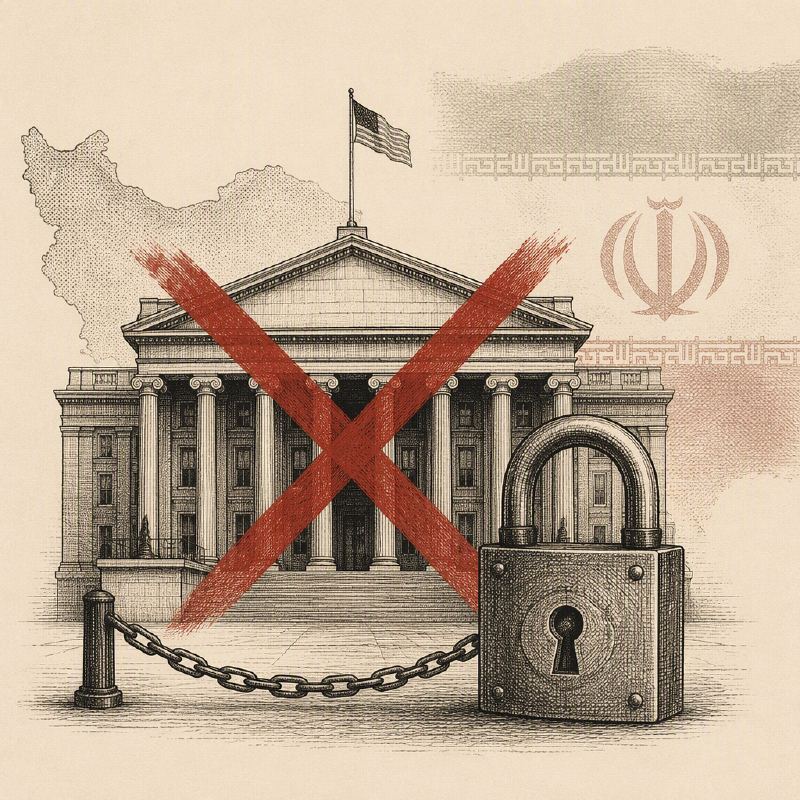
The U.S. Treasury Department has imposed sanctions on four Iranian nationals accused of conducting cybertheft and hacking operations targeting critical infrastructure within the United States. These sanctions are part of a wider initiative dubbed "economic D-Day," aimed at severing Iran's financial connections globally and crippling its economy.
The sanctioned individuals, identified as Keyvan Fayyaz Ghareh Blagh, Saber Shahbazi Balujeh, Mohammad Reza Kadkhoda’i, and Mojtaba Ghal’eh-Kuhi, are alleged to have been actively compromising and exfiltrating data from U.S. companies since at least late 2023. The targeted sectors include energy, defense contractors, healthcare institutions, information technology firms, and financial services.
According to the Treasury Department's release, three of these individuals specifically carried out the hacks, while Mojtaba Ghal’eh-Kuhi is identified as a leader of the group operating under the direction of Iran's Ministry of Intelligence and Security (MOIS). Another leader, Behzad Mesri, previously faced sanctions in 2018 for his involvement with the Mabna Institute, a group with known ties to the Iranian government.
Arman Kahzadian, a fifth individual sanctioned, is accused of receiving or utilizing business information stolen through cyber means. The Treasury noted that the hackers are often motivated by personal financial gain, which can sometimes lead them to target Iranian companies as well as international ones.
This action follows a recent unsealing of indictments against cybercriminals federal law enforcement authorities believe are affiliated with the Mabna Institute. The Treasury's "economic D-Day" initiative signals an aggressive stance against Iran's financial activities, with plans to expand secondary sanctions against those facilitating the regime's economic support.
Treasury Secretary Scott Bessent emphasized the strategic importance of these sanctions, drawing a parallel to the historical D-Day landings. The objective is to isolate Iran financially by targeting key sectors such as digital assets, technology, gold, aviation, and shipping, which the regime allegedly uses to sustain its economy.
While the sanctions aim to exert significant pressure, questions remain about their ultimate effectiveness and enforcement. Iran has previously vowed to retaliate against such measures. The Treasury Department is also broadening the scope of conduct subject to secondary sanctions, making it easier to target entities that support Iran's economic activities.
The broader context of these sanctions includes ongoing concerns about Iranian-linked cyber activity, including alleged attacks on U.S. water facilities, though direct attribution and specific involvement of these sanctioned individuals in those particular incidents were not immediately confirmed by the Treasury Department.
The U.S. Treasury has expanded its sanctions against Iranian cyber actors, framing this action as part of a broader "unprecedented, whole-of-government, economic campaign" against Iran and its enablers. This latest move aims to further sever the nation's global financial connections and disrupt its ability to fund illicit cyber activities.
The U.S. Treasury has expanded its sanctions against Iranian cyber actors, specifically naming Keyvan Fayyaz Ghareh Blagh, Saber Shahbazi Balujeh, and Mohammad Reza Kadkhoda'i for their roles in compromising critical infrastructure and conducting financially motivated cyber theft. This action aligns with broader U.S. efforts to counter Iran's state-sponsored cyber operations and includes individuals previously charged by the FBI.