
US Sanctions Iranian Crypto Firm Shelbit for Facilitating $6.3 Billion in Illicit Flows
The U.S. Treasury Department has sanctioned Iranian cryptocurrency firm Shelbit, alongside its founder and affiliated entities, for allegedly facilitating over $6.3 billion in illicit blockchain transactions.
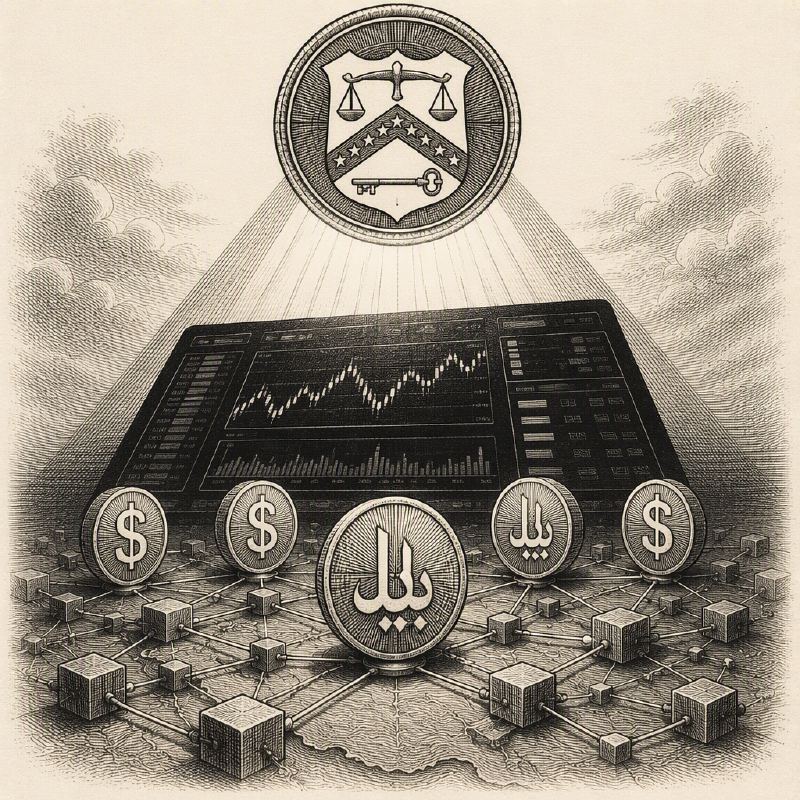
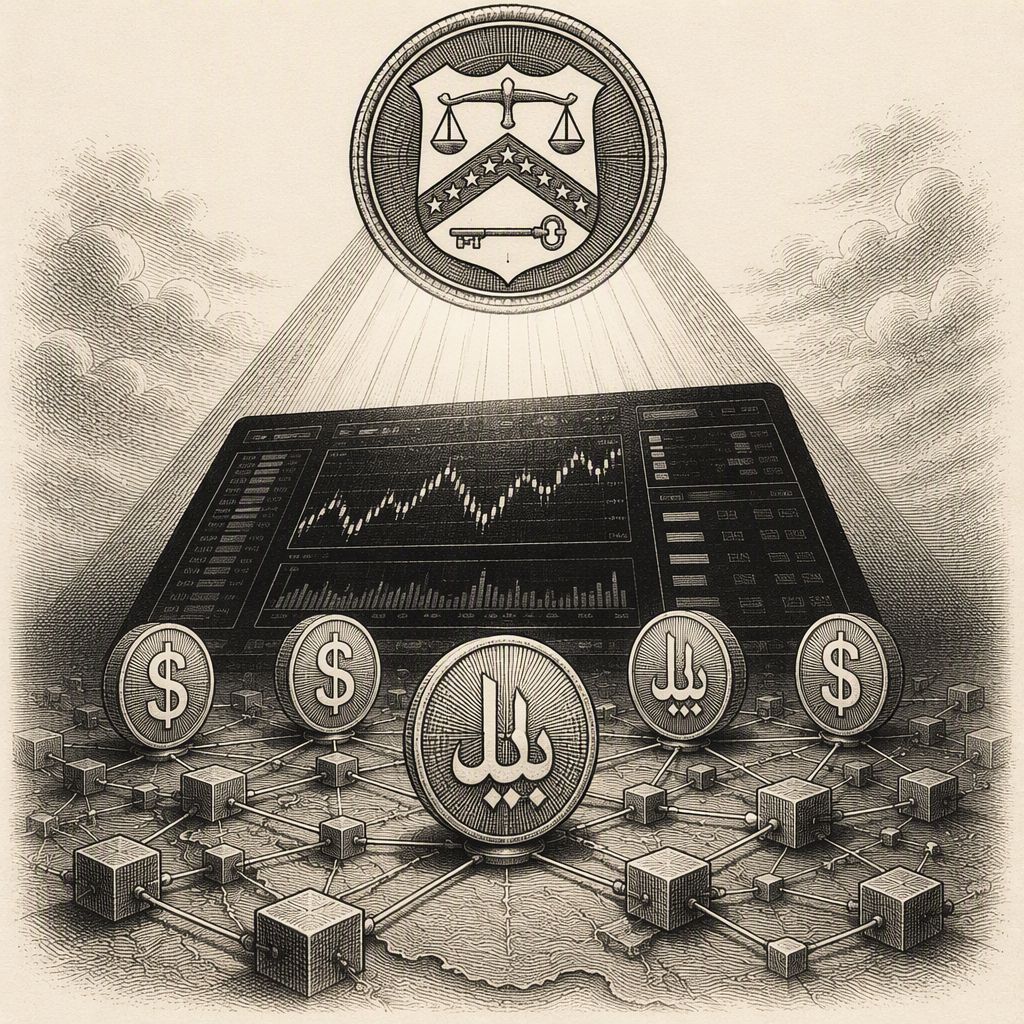
The United States has imposed sanctions on the Iranian cryptocurrency firm Shelbit, accusing it of acting as a conduit for over $6.3 billion in illicit financial flows over a two-year period. The Treasury Department's Office of Foreign Assets Control (OFAC) also targeted Shelbit's founder, Siavash Kayvanpour, and a network of associated entities based in the UAE, Poland, and Georgia, as well as another Iran-based exchange named Aban Tether.
Blockchain analytics firm TRM Labs identified Shelbit as a "crypto exchange in name only," noting that its wallets rarely held significant balances. Value entering the platform was almost immediately transferred out, with inbound and outbound amounts matching closely, a pattern consistent with a settlement conduit rather than a legitimate exchange holding customer funds. This operational characteristic allowed Shelbit to facilitate substantial transaction volumes while maintaining a low profile.
Between May 2024 and March 2026, Shelbit enabled approximately $6.3 billion in transactions. A significant portion, around 88% or $5.6 billion, moved on the TRON blockchain, primarily using dollar-pegged stablecoins. These transactions occurred at an average value of roughly $54,500 per transfer. TRM Labs also observed that Shelbit consistently rebuilt its wallet infrastructure every one to four months, a tactic indicative of deliberate efforts to obscure traceability and evade detection.
The sanctioned firm's activities linked it to various illicit operations. TRM Labs traced over $2 million in four separate transfers on a single day to a wallet controlled by Hamas. Additionally, $318 million was traced to A7, a sanctioned Russian payment network, and Shelbit also showed exposure to other sanctioned Russian and Central Asian services like Grinex and Rapira, suggesting its role as a financial conduit extended beyond a single sanctioned economy.
Further analysis by TRM Labs revealed that Shelbit's primary clients were associated with an extensive online gambling network comprising over 2,000 websites. Publicly, these sites were often promoted by Iranian social media personalities, including Sasha Sobhani and Pooyan Mokhtari, who showcased lavish lifestyles to large online audiences. TRM traced approximately $72.6 million in exposure between Shelbit and these online gambling services across 55 different platforms.
In response to these findings, U.S. Secretary of the Treasury Scott Bessent stated, "The Iranian regime’s reliance on digital assets and shadow banking networks is further evidence that Economic Fury is working. We will continue to increase the economic pressure. Whether in dollars, rials, or crypto, Treasury will hunt down and dismantle the illicit financial networks that keep the regime afloat."
While Shelbit and its founder Kayvanpour have not responded to requests for comment, the individuals associated with the gambling sites, Sobhani and Mokhtari, have denied wrongdoing. Sobhani stated his role was limited to paid advertising and denied involvement in money laundering or sanctions evasion, while Mokhtari denied allegations made against him in Dubai and any affiliation with the IRGC. Both claimed no knowledge of Kayvanpour or Shelbit.
This action underscores the U.S. government's ongoing efforts to disrupt financial networks supporting illicit activities, particularly those linked to sanctioned states and organizations, by targeting cryptocurrency platforms that facilitate such operations.