
US Sanctions Iranian Crypto Exchange BitBank for Facilitating Illicit Transfers
The U.S. Treasury Department has sanctioned Iranian cryptocurrency exchange BitBank, alleging it transferred hundreds of millions of dollars in Bitcoin to Iran's Islamic Revolutionary Guard Corps.
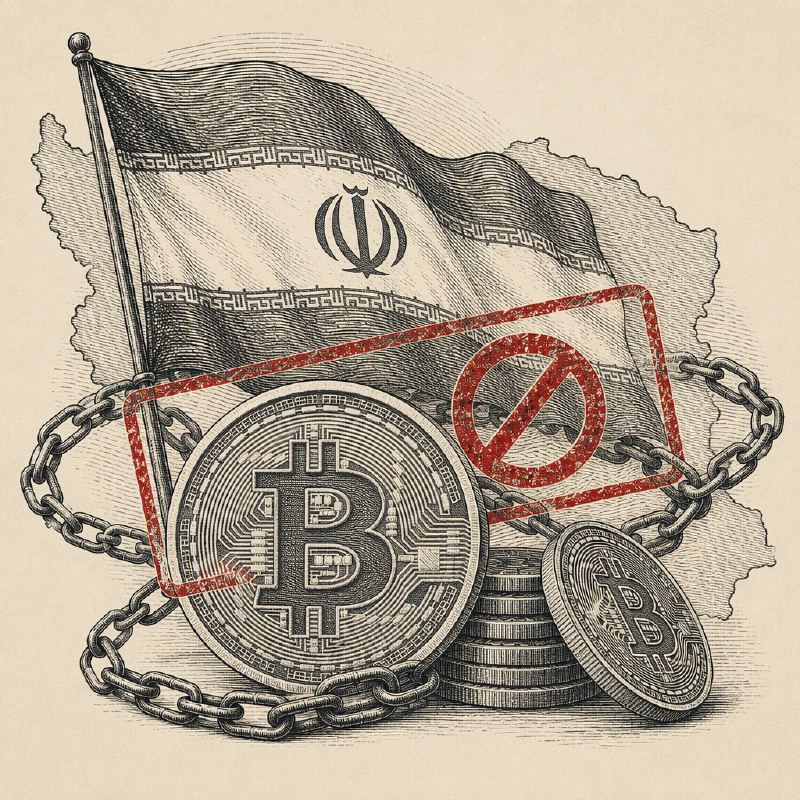
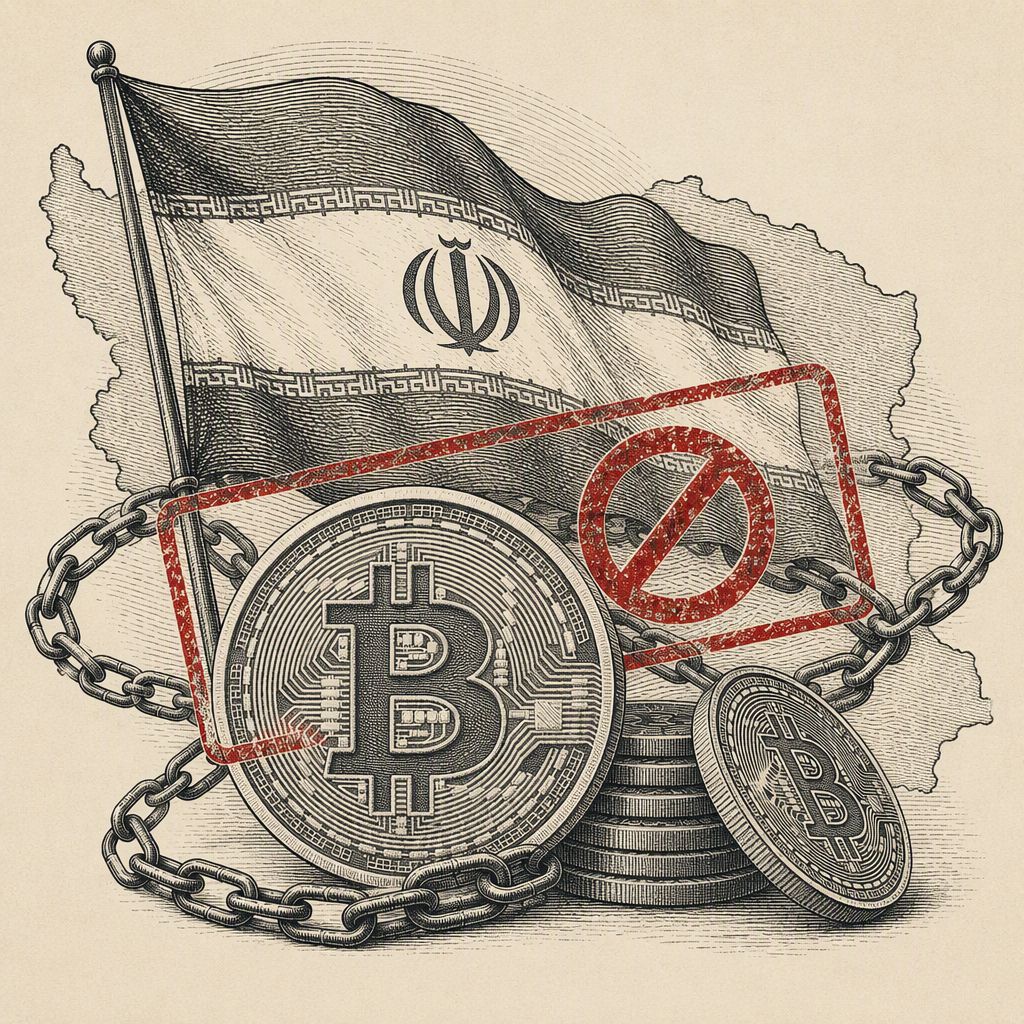
The U.S. Department of the Treasury has imposed sanctions on the Iranian digital asset exchange BitBank, citing its alleged role in facilitating illicit financial activities. According to Treasury officials, BitBank transferred hundreds of millions of dollars in Bitcoin to Iran's Islamic Revolutionary Guard Corps (IRGC) between June and July of this year. This action is part of a broader U.S. strategy to disrupt financial networks that support sanctioned entities and to combat cyber-enabled financial crimes.
In addition to sanctioning the exchange itself, the Treasury also targeted BitBank's software developer and three associates of Iranian financier Babak Zanjani. U.S. officials have identified Zanjani as the controller of BitBank, having previously sanctioned him in January for money laundering and efforts to circumvent international restrictions against Iran. The sanctions aim to isolate these individuals and entities from the global financial system.
Further details revealed that Hormuz Safe Marine Services Authority utilized BitBank to facilitate payments to the Iranian government. Hormuz Safe is reportedly connected to a Bitcoin-based platform designed to offer financial protection to vessels navigating the critical Strait of Hormuz. This connection highlights the use of cryptocurrency exchanges for state-sponsored financial operations and sanctions evasion.
The measures taken against BitBank represent an expansion of the U.S. government's ongoing campaign against Iranian digital asset services. Previous actions have targeted other major Iranian exchanges, including Nobitex, Wallex, Bitpin, Ramzinex, Shelbit, and Aban Tether, indicating a sustained effort to dismantle the infrastructure used for illicit finance in the region.
This development underscores the increasing focus on the role of cryptocurrency in geopolitical conflicts and illicit financial flows. By sanctioning exchanges and individuals involved, the U.S. aims to choke off funding for entities engaged in activities deemed detrimental to international security and economic stability.
The sanctions are expected to significantly impact BitBank's operations, limiting its ability to conduct transactions and access international markets. The move also serves as a warning to other entities that may be involved in similar activities, reinforcing the consequences of facilitating sanctions evasion through digital assets.