
US Political Campaigns Pour Millions into AI Tools Amidst Public Skepticism
Campaign finance data reveals over $17 million spent on AI technologies by federal candidates since 2020, with major vendors like OpenAI and Anthropic seeing significant adoption, despite public unease about AI's role in politics.
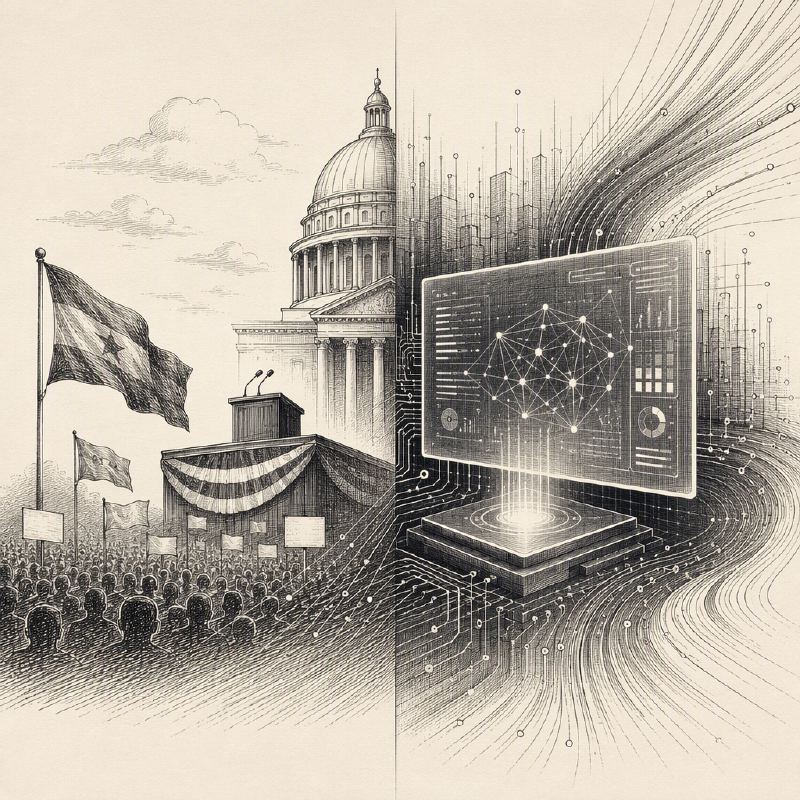
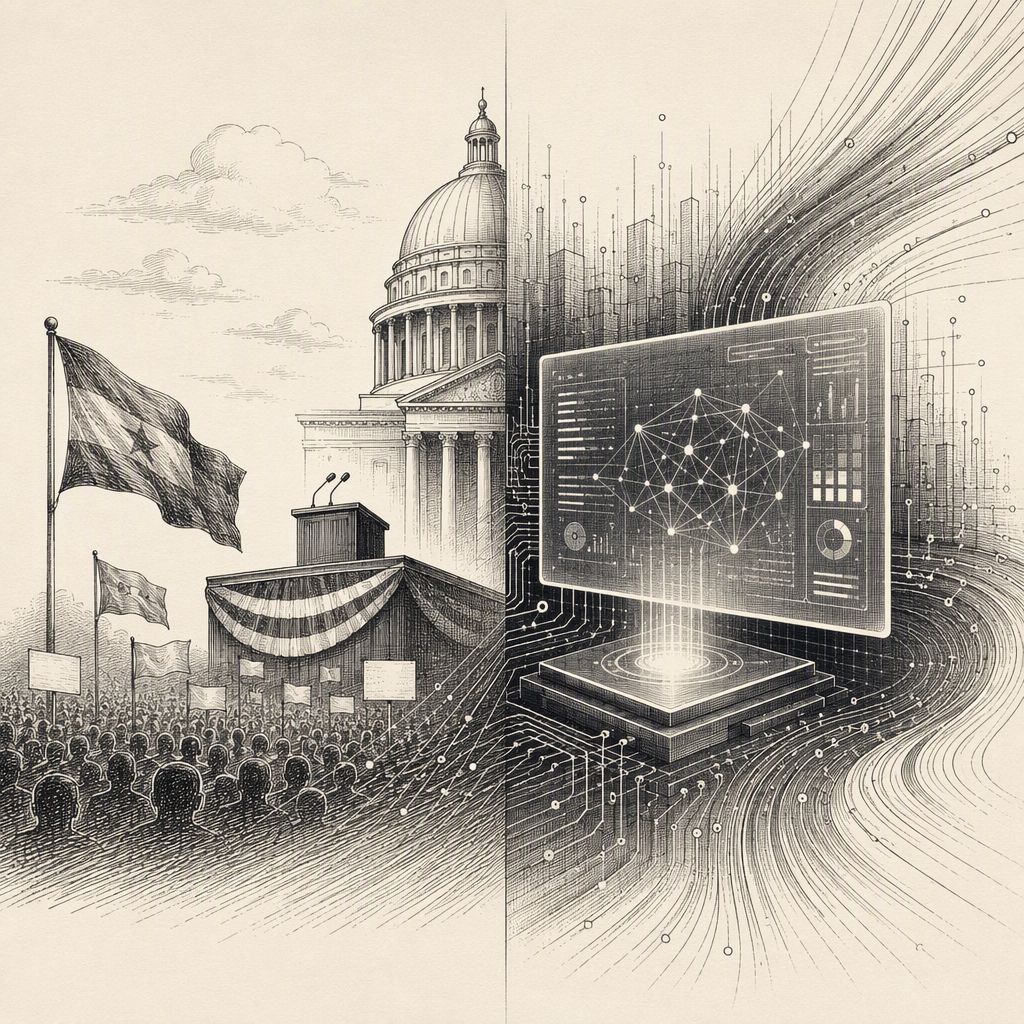
Campaign finance disclosures are shedding light on the burgeoning use of artificial intelligence within U.S. political campaigns. Since 2020, federal candidates, parties, and committees have collectively disclosed over $17 million in spending on AI technologies, signaling a rapid integration of these tools into the political landscape. This trend is occurring even as public opinion remains wary, with a September 2025 Pew survey indicating that over 70% of Americans would view a candidate less favorably if they used AI to help write speeches.
The data, compiled from the U.S. Federal Election Commission and state-level disclosures in California, Colorado, Massachusetts, and Washington, paints a picture of widespread adoption across the political spectrum. Major AI providers like OpenAI and Anthropic are seeing substantial investment. At least 80 federal campaigns have reported spending with OpenAI since 2024, primarily for staff subscriptions to tools like ChatGPT and research purposes, totaling around $50,000. While this spending is relatively modest, it shows a bipartisan engagement, with slightly more Republican campaigns reporting expenses. Prominent users include the campaigns of Republicans Mike Lawler and John Kennedy, alongside Democrats Ro Khanna and Ted Lieu.
Anthropic, the maker of Claude, has experienced even more rapid growth in political adoption, with at least 65 candidates or committees reporting payments in 2026, a significant increase from previous years. This usage leans Democratic, with a nearly two-to-one ratio, potentially reflecting perceptions of the company's political leanings. However, notable Republican users like Senator Tom Cotton have also reported substantial spending on Anthropic's software. Interestingly, only about 12% of campaigns using either OpenAI or Anthropic tools reported expenditures to both vendors, suggesting a preference for one platform over the other.
Beyond general-purpose AI tools, specialized platforms catering to political campaigns are also attracting significant funding. AmplifAI, known for its AI-powered text messaging services, previously dominated spending, garnering $4.7 million in the 2022 cycle, particularly from Democratic candidates. While its usage appears to have tapered off, a new Democratic solution, Daisychain, has emerged as a rising star for AI-driven text messaging, attracting around $300,000 in the current cycle. On the Republican side, Campaign Nucleus, associated with former Trump campaign manager Brad Parscale, has seen six-figure spending from the Republican National Committee and Trump-aligned PACs.
At the state level, AI spending is smaller but growing exponentially. Across four studied states, at least $92,000 has been attributed to generative AI vendors since 2022, spread across over 100 candidates and committees. The spending in 2026 has already reached ten times the amount reported in all of 2024, mirroring federal trends with Daisychain leading in overall spend and OpenAI and Claude being popular general-purpose options. DonorAtlas, an AI-powered prospect research tool, has also seen notable usage at the state level.
The article highlights a growing reliance on AI for various campaign functions, from research and content generation to sophisticated text messaging and voter outreach. While candidates remain largely silent on their specific AI strategies, the financial disclosures reveal a clear trend: AI is no longer a niche technology but an increasingly essential component of modern political campaigning.
This integration of AI into politics raises important questions about transparency, public perception, and the potential for misuse. As campaigns continue to invest heavily in these tools, the ethical implications and the impact on democratic processes will likely remain a subject of intense scrutiny and debate.