
US Lawmakers Propose Legislation to Elevate Biotech Cybersecurity to Critical Infrastructure Status
Bipartisan legislation introduced in the House and Senate aims to integrate the biotechnology sector into CISA's critical infrastructure protection framework, addressing growing concerns over cyber threats to sensitive biological data and infrastructure.
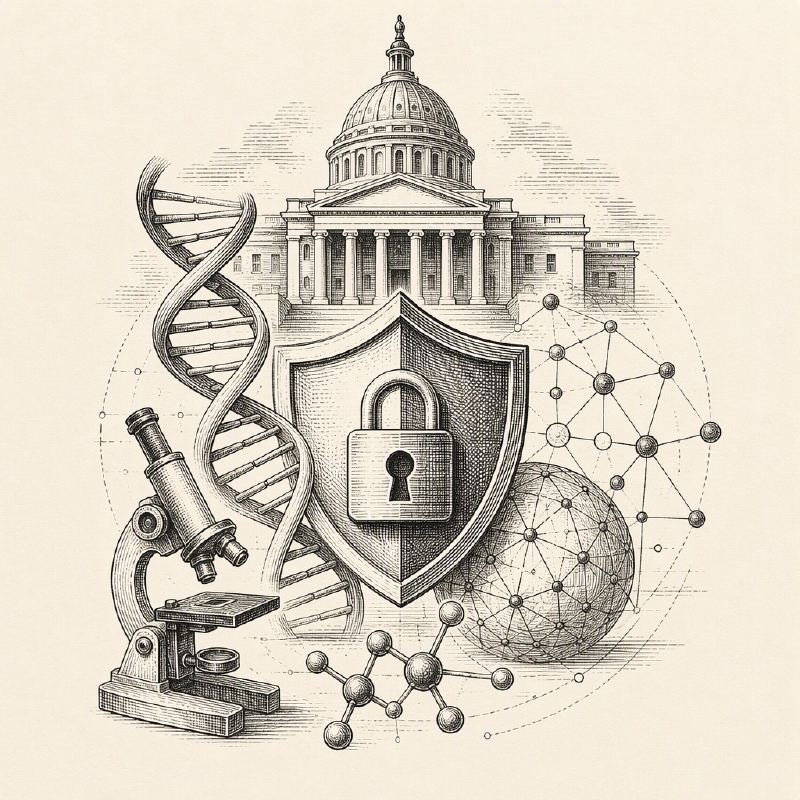
A bipartisan coalition of U.S. lawmakers has introduced two pieces of legislation designed to bolster the cybersecurity defenses of the biotechnology sector by formally recognizing its critical infrastructure status. The proposed bills, titled the "Protecting Biotechnology and Biomanufacturing as Critical Infrastructure Act" and the "Protecting Biological Data Act," seek to integrate the sector more closely with the Cybersecurity and Infrastructure Security Agency's (CISA) protective mandates.
The initiative stems from concerns that the biotechnology sector, encompassing biomanufacturing and sensitive biological data, does not fit neatly into the existing 16 designated critical infrastructure sectors, potentially leaving it vulnerable to cyberattacks. The legislation aims to address this gap by directing the Department of Homeland Security (DHS) to develop comprehensive plans for protecting biotech and biomanufacturing, not by creating a new sector, but by weaving its unique needs into existing frameworks like the National Infrastructure Protection Plan.
Key provisions within the bills include directing CISA to conduct outreach to key biotech players, develop specific security steps through joint exercises, and potentially assign new personnel dedicated to safeguarding biometric and genomic data. The "Protecting Biological Data Act," in particular, emphasizes the need to cover systems handling genomic sequences and sensitive biometric information as critical infrastructure, ensuring their integration into the national cyber strategy.
This legislative push follows recent high-profile cyberattacks targeting major biotech firms, including Boston Scientific and Amgen, highlighting the tangible risks faced by the industry. Sponsors of the bills, many of whom are members of the National Security Commission on Emerging Biotechnology, argue that protecting this sector is paramount for both economic prosperity and national security.
Senator Todd Young, R-Ind., Chair of the Commission, stated, "Biotechnology infrastructure and data are becoming vital to America’s economic and national security." He emphasized that the legislation is about recognizing the strategic importance of the sector and ensuring its resilience against foreign threats, drawing a parallel to the importance of protecting Americans' personal data.
Notably, the proposed bills do not advocate for establishing a distinct new critical infrastructure category for biotech. Instead, they aim to integrate the sector's needs across existing categories such as health, agriculture, and industrial sectors, acknowledging its cross-cutting nature. This approach seeks to enhance protection without the administrative complexities of creating an entirely new designation.
"Protecting biomanufacturing infrastructure and the most sensitive biological data of Americans is essential for our national security," echoed Representative Ro Khanna, D-Calif., a co-sponsor. He added that the bipartisan bills would help secure the sector from both physical and cyber threats while maintaining America's leadership in biotechnology.
The proposed legislation underscores a growing awareness among policymakers about the critical role biotechnology plays in national security and economic stability, and the increasing need for robust cybersecurity measures to protect its vital infrastructure and sensitive data from evolving threats.