
US Intelligence Shared Russian Cyber Threat Warnings with Poland
The United States provided Poland's Cyber Command with advance intelligence on Russian cyber threats targeting the nation's critical infrastructure, including transportation and power systems.
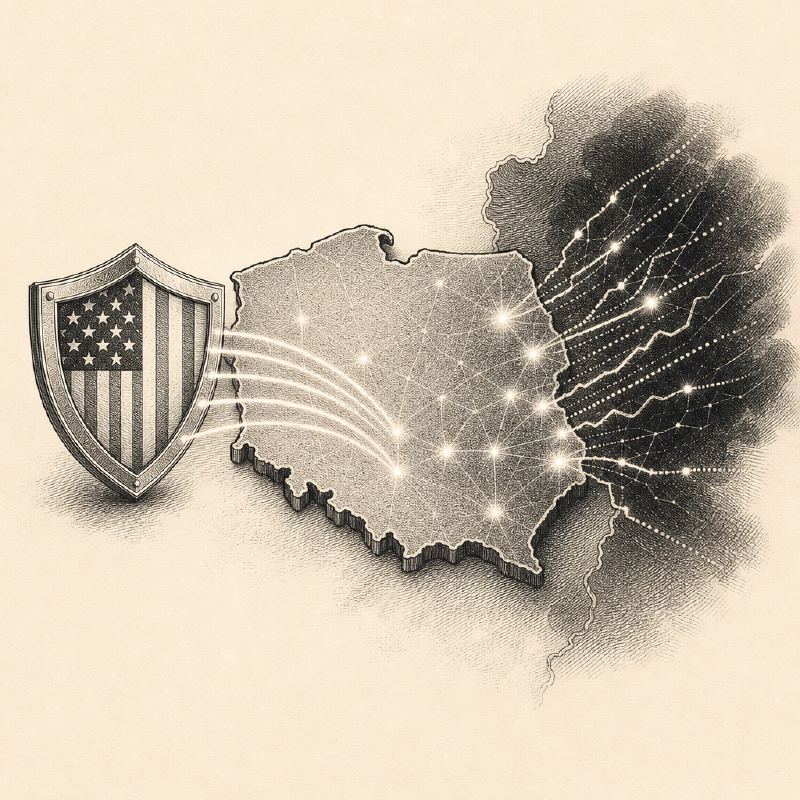
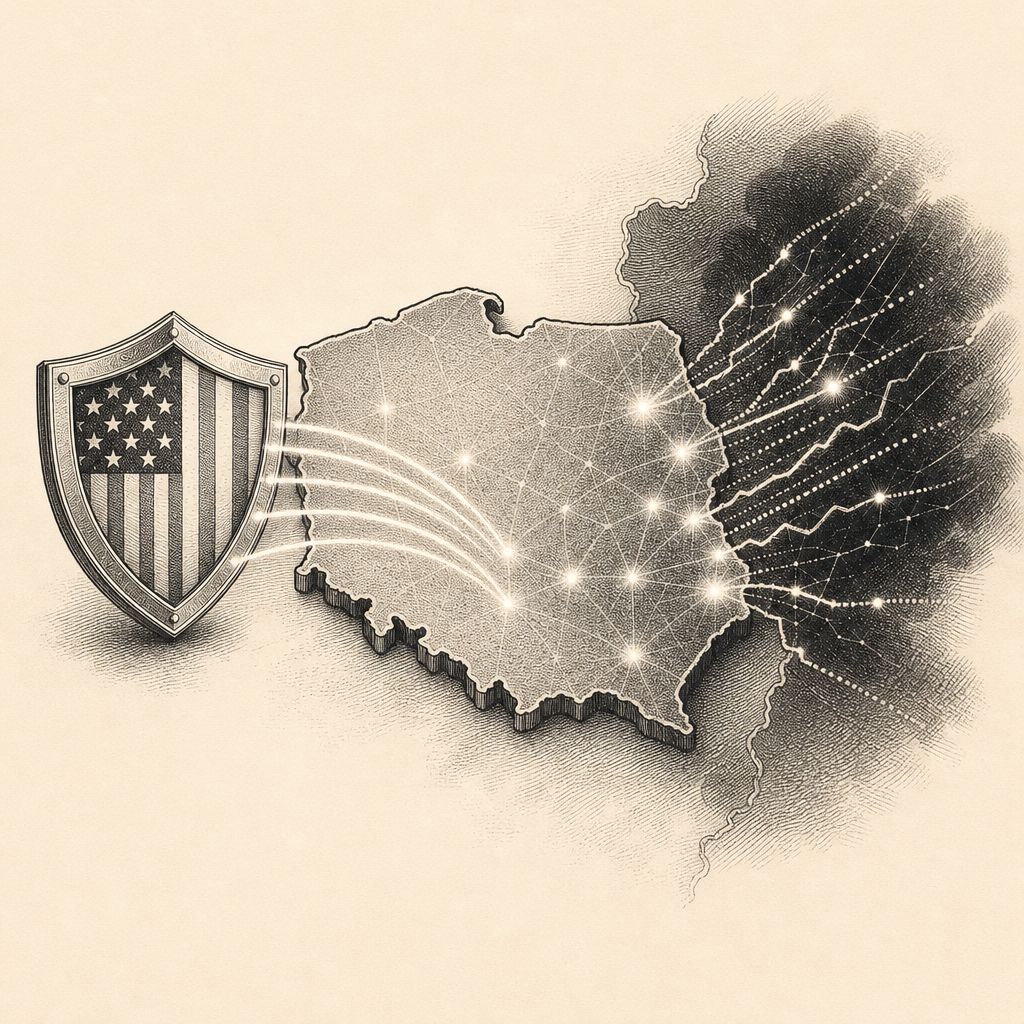
Poland's Cyber Command received crucial advance warning from the United States regarding impending Russian cyber threats aimed at the nation's vital transportation and power systems. This intelligence sharing underscores the deepening international cooperation between allied nations in the face of persistent state-sponsored cyber espionage and sabotage.
The revelation came from the head of Poland's Cyber Command during a recent cybersecurity summit, highlighting the proactive measures being taken to defend critical infrastructure. While specific details of the threats or the intelligence shared were not disclosed, the announcement emphasizes the value of timely information exchange in bolstering national defenses against sophisticated adversaries.
This collaboration is particularly significant given Poland's strategic position as a key logistical hub for Western military aid flowing into Ukraine. The nation's critical infrastructure, therefore, represents a high-value target for Russian state-sponsored threat actors seeking to disrupt support operations or sow discord.
The United States, through its extensive intelligence gathering capabilities, is often at the forefront of identifying and tracking such threats. Sharing this actionable intelligence with allies like Poland allows for preemptive defensive measures to be put in place, potentially averting significant disruptions or damage.
While the article does not specify the exact nature of the Russian threats, potential targets could include industrial control systems (ICS) within the power grid, operational technology (OT) in transportation networks, or communication systems essential for coordinating logistics. Such attacks could aim to cause widespread blackouts, disrupt supply chains, or impede the movement of goods and personnel.
The incident serves as a stark reminder of the ongoing cyber conflict that parallels the kinetic war in Ukraine. State-sponsored hacking groups, often linked to intelligence agencies, are continuously probing for vulnerabilities and opportunities to exploit them for strategic advantage.
International cooperation, as exemplified by this US-Poland intelligence sharing, is increasingly recognized as a cornerstone of modern cybersecurity strategy. By pooling resources and intelligence, nations can build a more robust collective defense against the evolving landscape of cyber threats, particularly those emanating from state-sponsored actors.
This proactive approach, driven by intelligence sharing, is essential for maintaining the resilience of critical infrastructure and ensuring the continued flow of support to regions facing aggression. The commitment to such collaborations signals a unified front against cyber warfare.